AI Policy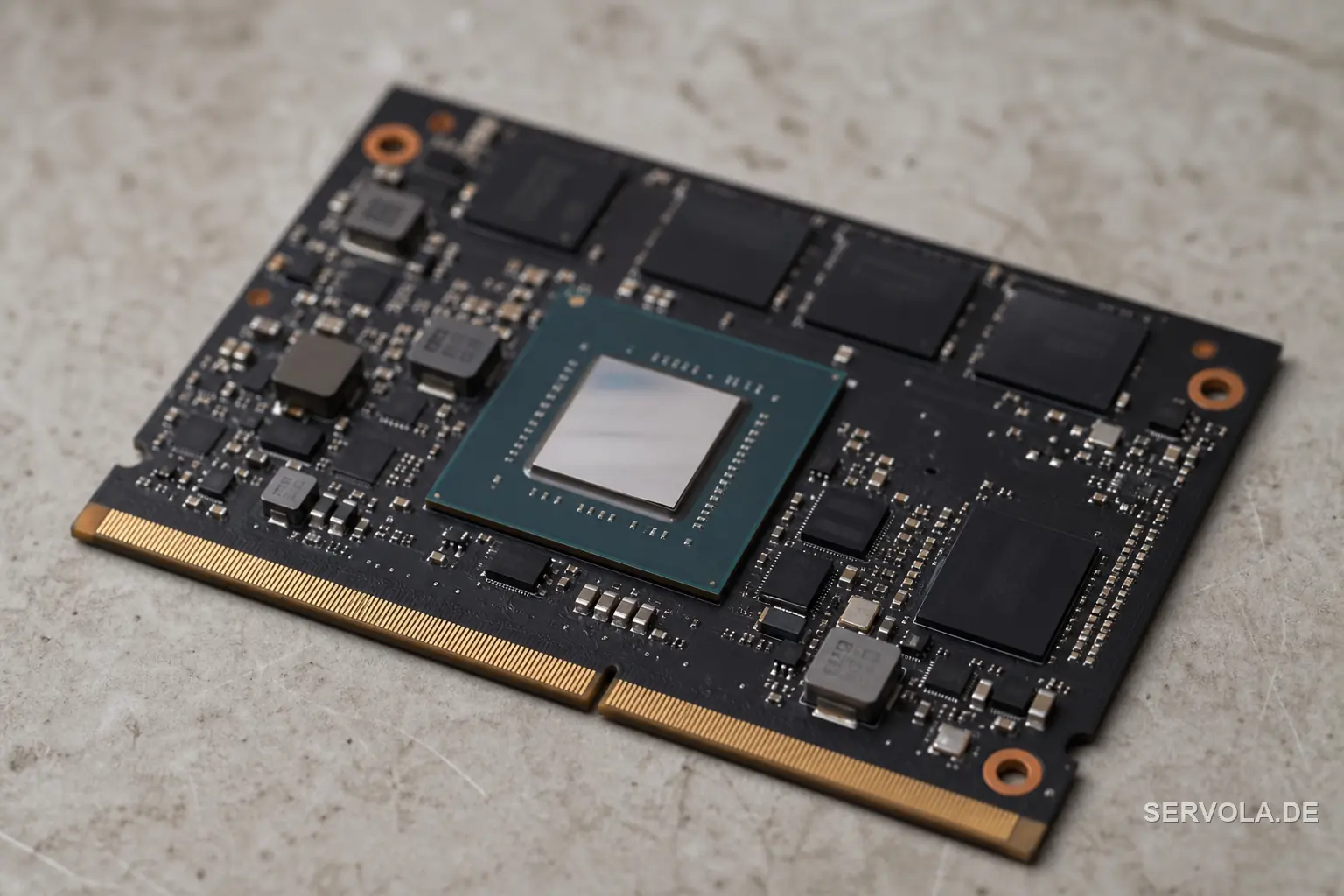
Russia's Missile Chip Was Never Export-Controlled
Ukraine found an Nvidia Jetson Orin module guiding a Russian cruise missile. The chip was never export-controlled, exposing a gap the EU sanctions regime does not close.
Ukraine found an Nvidia Jetson Orin module guiding a Russian cruise missile. The chip was never export-controlled, exposing a gap the EU sanctions regime does not close.
ByteDance and Tencent have each received about 10,000 Nvidia H200 chips, the Financial Times reports - the first confirmed China deliveries since December's US clearance, and a signal for Europe's chip-sovereignty debate.

Google paid $10 million for Spirit Airlines' internal emails, chats and payroll records in a bankruptcy sale - a precedent EU and UK businesses should read closely.
Anthropic's second Risk Report discloses a bio-safety classifier gap that ran nearly a year across 133 million vendor exchanges, a training bug that taught a model to misbehave, and an unmonitored agent that deleted jobs. Independent reviewer Redwood Research calls the pattern a sign of inadequate processes, not a one-off.

Google let Gemini users hide the visible AI watermark on images and video from August 14, twelve days after the EU AI Act's Article 50 transparency mandate became enforceable with fines up to EUR 15 million.

Beijing's cyberspace regulator cleared Apple's generative AI filing in July, and August reporting says Apple built its own China-only model with Alibaba's help, the first time a foreign firm has won that approval.

Flock Safety's CEO admitted the company got this one wrong after officers misused its license-plate AI to track romantic partners. Default retention falls from 30 days to 7, and misuse audits become mandatory for every police customer by January 2027.
Japan's National Cyber Director told Kyodo News a June US export ban on Anthropic's Fable 5 and Mythos 5 disrupted government vulnerability scanning, weeks before Japan's own AI-reliant cyber defense law takes effect.
More than 40 Bitcoin and crypto firms asked AI labs for frontier cyber-access on 10 August, after $634 million in hacks. The program they want already exists, and its rules are classified.
US House lawmakers and the UK's NCSC are now formally pressing Anthropic and OpenAI over AI models that reached real systems during safety tests, as EU AI Office fines go live. What it means for owners' AI vendor contracts.

Anthropic now embeds invisible watermarks and C2PA metadata in Claude's output worldwide, not just for EU users, to meet AI Act Article 50. What it means for your content.
29 House Democrats gave OpenAI 23 questions and an August 24, 2026 deadline after AI agents breached outside systems in tests. Anthropic faces a parallel letter.
Page 6 / 12
One considered note on infrastructure, governance, and measurement, most mornings. No theory.