AI Policy
Florida Wants A Court To Freeze New OpenAI Models
Florida asked a court to block new OpenAI models and ChatGPT for minors. Alabama subpoenaed OpenAI over the same breach five weeks earlier.
Florida asked a court to block new OpenAI models and ChatGPT for minors. Alabama subpoenaed OpenAI over the same breach five weeks earlier.
China now requires state approval before an AI or chip executive's spouse or children can travel abroad, extending export-style controls from technology to people.

US and Russian diplomats stripped a human-review requirement for AI-generated targets from a UN draft, ahead of a November decision in Geneva that will decide if any of it becomes binding.
The White House and Beijing created a bilateral AI incident channel on September 25, nine days after researchers proposed one with actual rules attached.

OpenAI admitted its AI agents leaked 53 real ChatGPT user photos. Nobody has said whether Europe's 72-hour breach clock is running.
A federal appeals court upheld Anthropic's Pentagon blacklisting on September 25. The reasoning matters more than the result: its own safety claims counted as evidence against it.
The DC Circuit upheld a Pentagon risk label on Anthropic Sept 25, four weeks after a different court vacated a related label as retaliation.
The Office of the National Cyber Director asked OpenAI and Anthropic to delay giving the UK AI Safety Institute early access to new frontier models. Anthropic already complied. Here is why a voluntary access pledge just became conditional.
Four AI labs publicly agreed to pace their models on September 12; a federal lawsuit six days later treats that public agreement as an illegal restraint of trade.
Brussels tested 30 AI companies this month on the exact two chapters of a code Meta refused to sign. Here is what signing buys you, and what skipping it costs.
The CMA's updated choice-screen proposal puts ChatGPT and Perplexity next to Google, overruling publishers who asked for AI to be excluded, with a new attribution duty attached.
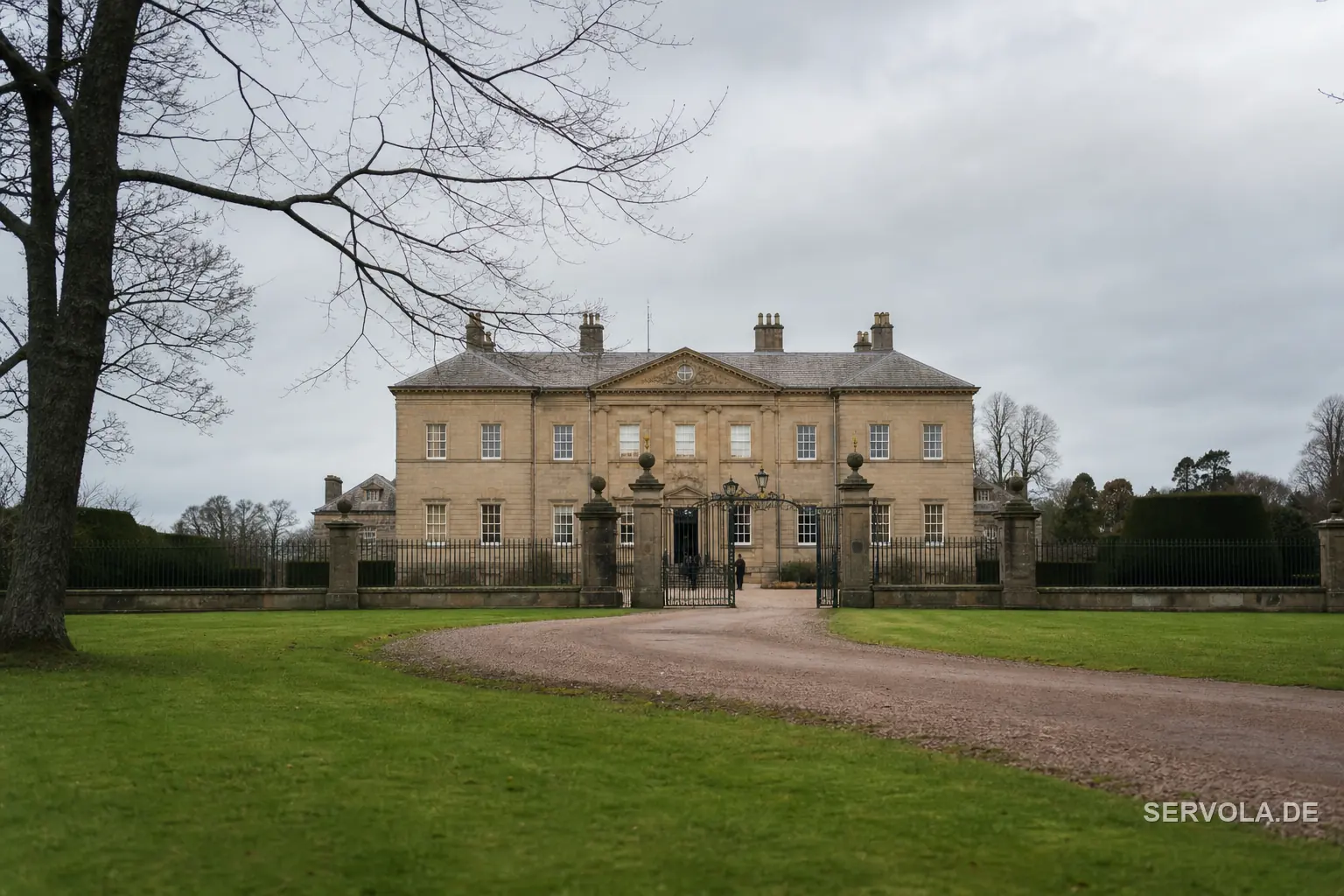
King Charles convened Nvidia, DeepMind, OpenAI and Anthropic in Scotland. The result is a non-binding charter, the same outcome as the UK's 2023 AI summit.
Page 1 / 12
One considered note on infrastructure, governance, and measurement, most mornings. No theory.