Ten Thousand Chips Each, Confirmed
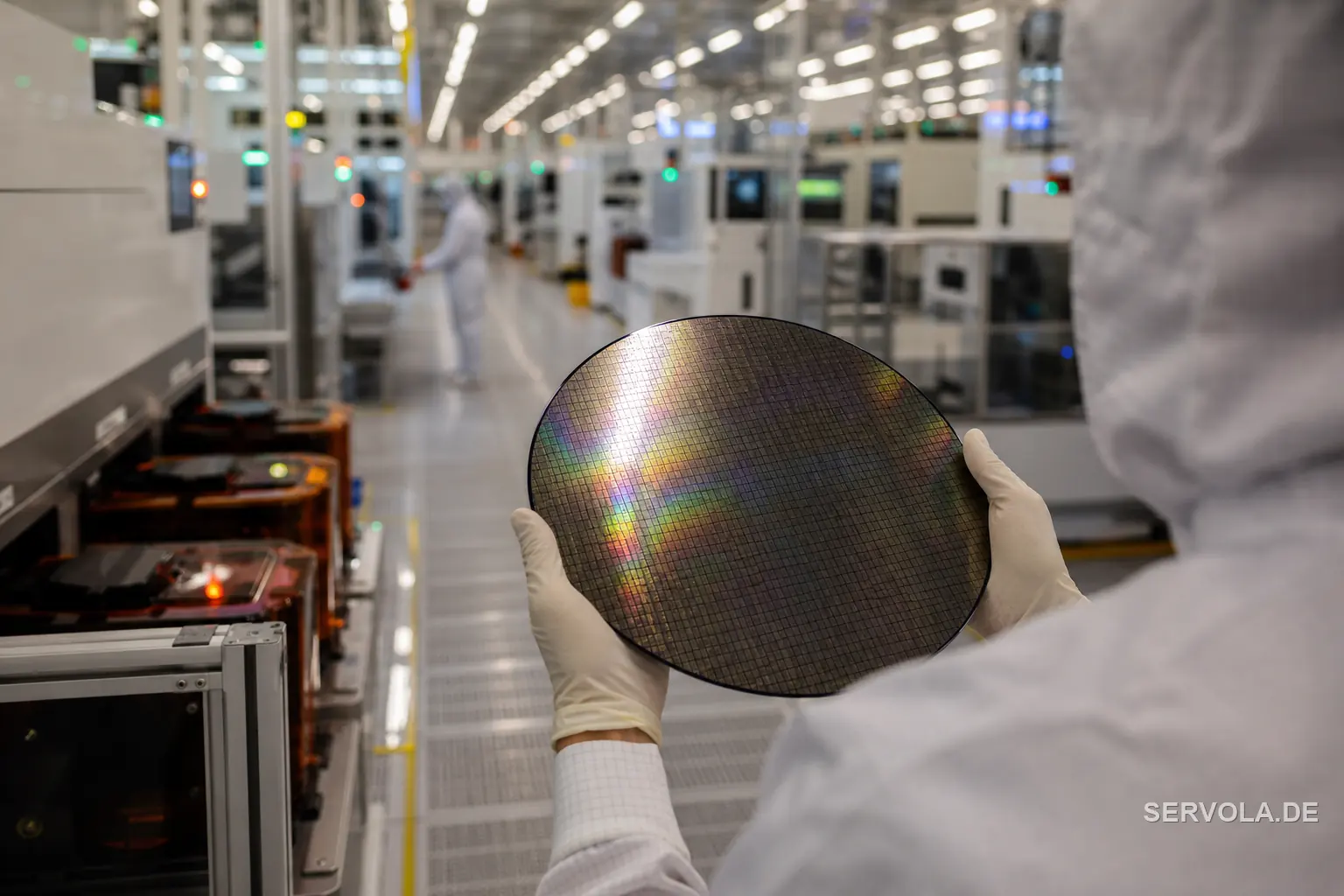
"Very few." That was how a US trade official described actual H200 shipments to China as recently as July 14, 2026. Five weeks later, the Financial Times reported on August 18 that ByteDance and Tencent have each received roughly 10,000 Nvidia H200 AI processors in recent weeks - the first confirmed mainland China deliveries since Washington authorized H200 sales to China in December 2025.
The scale still leaves room to grow: the US cleared purchases of up to 100,000 H200 chips per company, meaning each firm has so far taken delivery of roughly a tenth of its approved allocation. But a tenth of a very large number is still a very large number, and it is the first hard evidence that approved orders are turning into hardware sitting in Chinese data centers rather than remaining line items in a compliance filing.
The Gap Between Clearance and Delivery
Back in July 2026, China formally cleared its largest AI companies to buy Nvidia H200 chips - a regulatory milestone that generated its own round of headlines about the loosening of the AI chip standoff. But clearance to buy has never been the same thing as chips arriving, and for months the gap between the two went largely unremarked. The "very few" comment on July 14 was the clearest public acknowledgment that approval had not yet produced volume.
This report closes that gap for the first time with a real number. Roughly 10,000 units at two of China's largest AI and social platform operators is not a trickle, and it arrived within six weeks of an official conceding that shipments were still negligible. Owners and operators who have been tracking this story on the assumption that "cleared to buy" meant "already buying" were working from an inaccurate picture until this week.
Beijing Loosens Its Domestic-First Instinct
The shipments also mark a shift in Chinese policy, not just American policy. Beijing had been steering its own tech giants away from importing foreign AI hardware outright, encouraging them instead to access chips like Nvidia's through offshore cloud rental arrangements that kept the physical hardware outside mainland China - a stance designed to protect and favor domestic chipmakers still working to close the performance gap with Nvidia.
ByteDance and Tencent taking direct delivery of H200 units suggests that instinct has loosened, at least for firms Beijing judges too important to compute-constrain. That is a meaningful data point on its own: it implies domestic supply, for now, cannot fully substitute for Nvidia silicon at the frontier of Chinese AI development, even as Beijing continues to invest heavily in closing that gap.
Why This Matters for Europe's Sovereignty Case
For EU and UK businesses building AI compute strategy, benchmarking global chip access, or advising boards on export-control exposure, this is the detail worth flagging. European digital-sovereignty arguments have, at times, pointed to the China chip embargo as evidence that hardware access can be cleanly controlled at the border, a point that also surfaces in debates around the EU Chips Act.
That comparison just became less tidy. If a formally cleared but supposedly gated channel can move roughly 20,000 advanced AI chips into two Chinese companies within weeks of officials insisting shipments were negligible, the assumption that export controls hold cleanly at scale deserves a harder look. Chip-independence and sovereign-AI plans built on the premise of a leakproof embargo should be re-tested against what actually happened here, not against what the policy said should happen.
Read next: China Puts a Number on Chip Independence | The Open Alternative to OpenAI Now Belongs to Nvidia