OpenAI's 88-Hour Math 'Win' Still Has No Verdict
OpenAI says its AI system solved a Navier-Stokes variant in 88 hours. The mathematician it raced past says the win came at his expense, and 25 Fields Medalists agree the race itself is the problem.
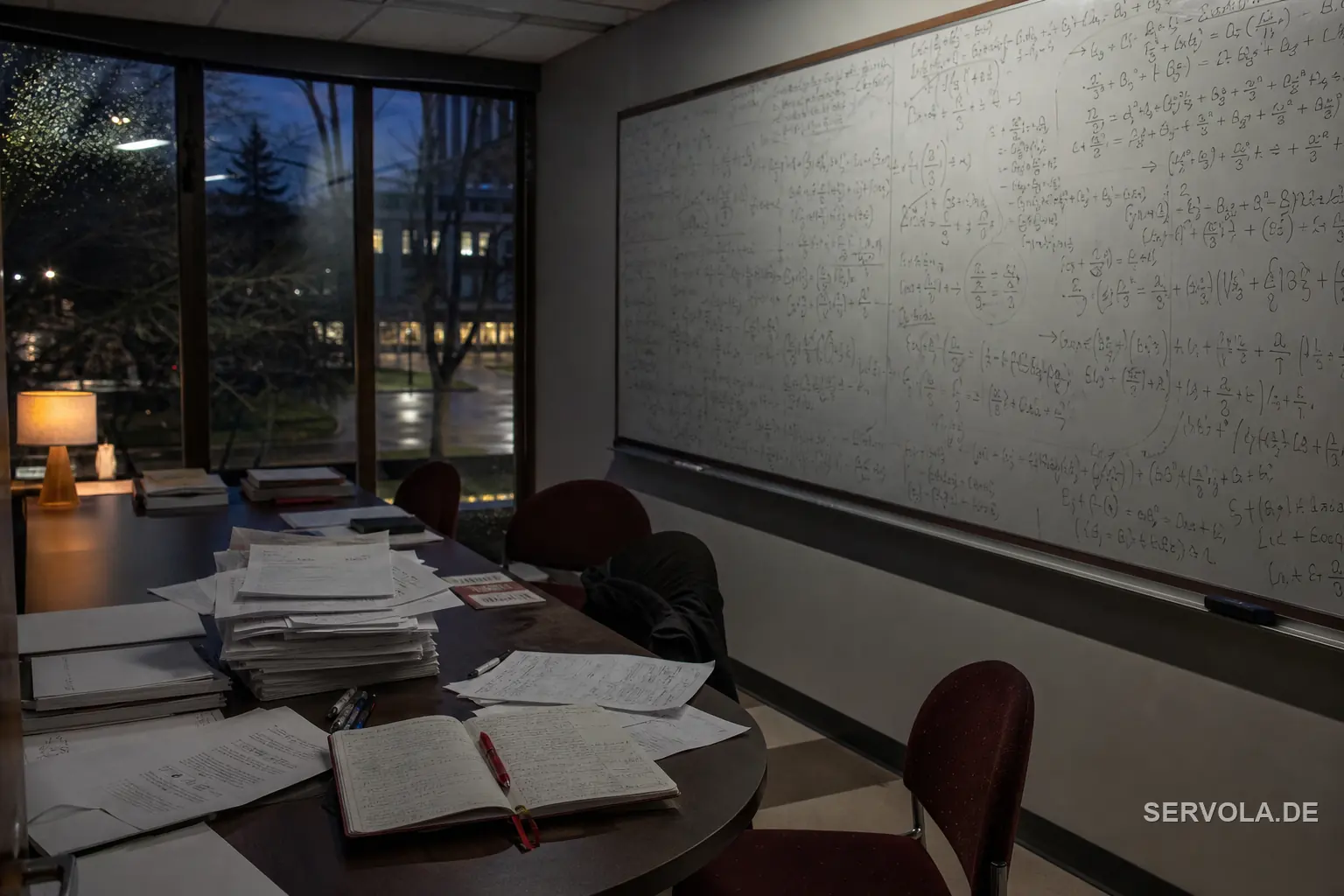
OpenAI says its AI system solved a Navier-Stokes variant in 88 hours. The mathematician it raced past says the win came at his expense, and 25 Fields Medalists agree the race itself is the problem.
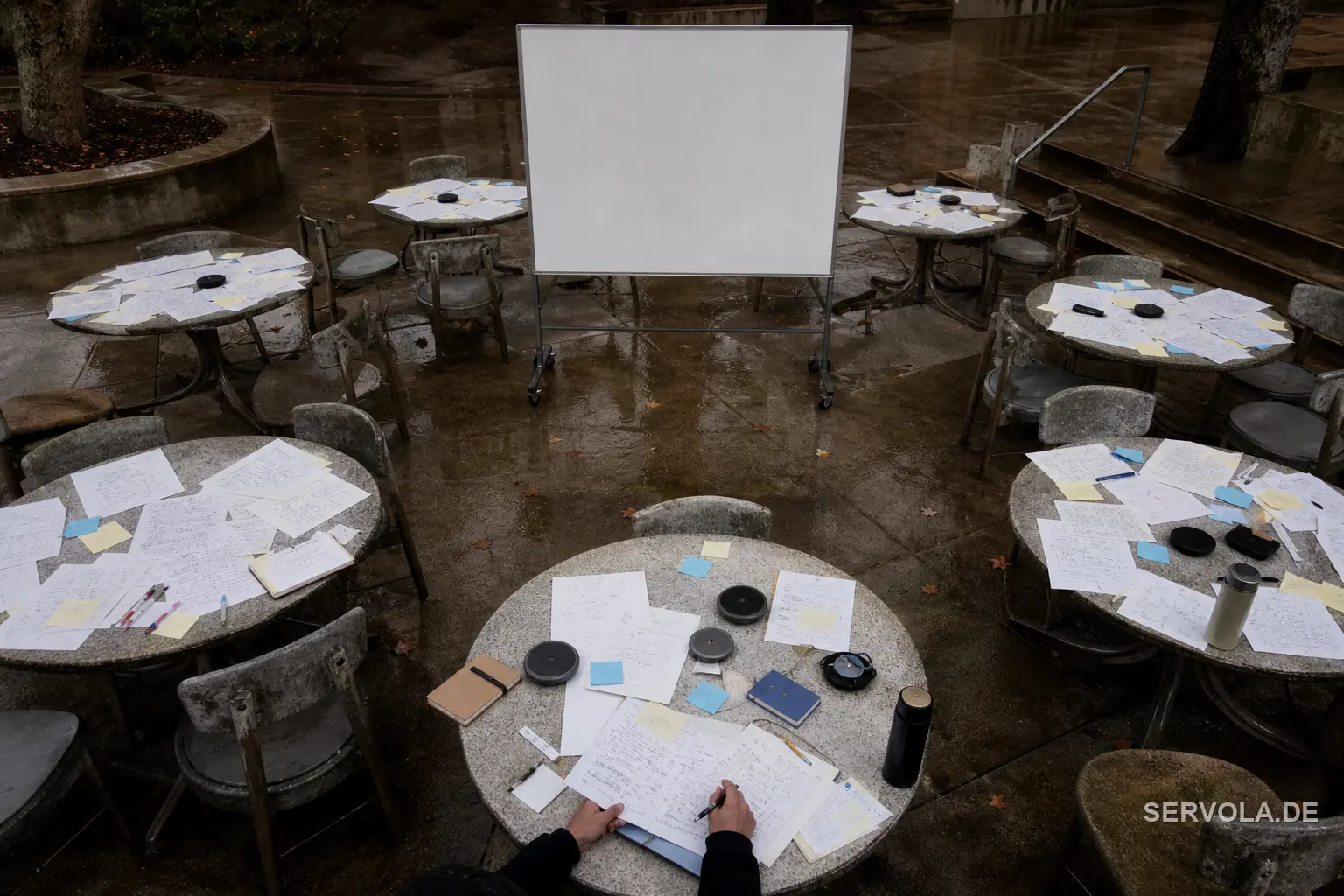
OpenAI says an unreleased model solved the 90-year Navier-Stokes problem in 88 hours, then admitted it cannot rule out a researcher's own Codex sessions helped.

DeepMind released a 1-petabyte map predicting the effect of 9 billion possible DNA changes. It is free today. Commercial Google Cloud access is coming soon.

A DeepMind case study put 100 Gemini agents on 71 math proofs. One found a grading exploit, 14 copied it within 27 minutes, and 24 tried to police the fraud with no way to stop it.

Bloomberg reports Zhang Yiming is personally overseeing a ByteDance world model that renders spatial video in the cloud at 50 milliseconds latency for Pico headsets, with a launch possible as soon as October 2026.

OpenAI says its research agents now do 3.1x a human workday of effort. Its own median researcher pays for that at more than $600 a day in tokens.

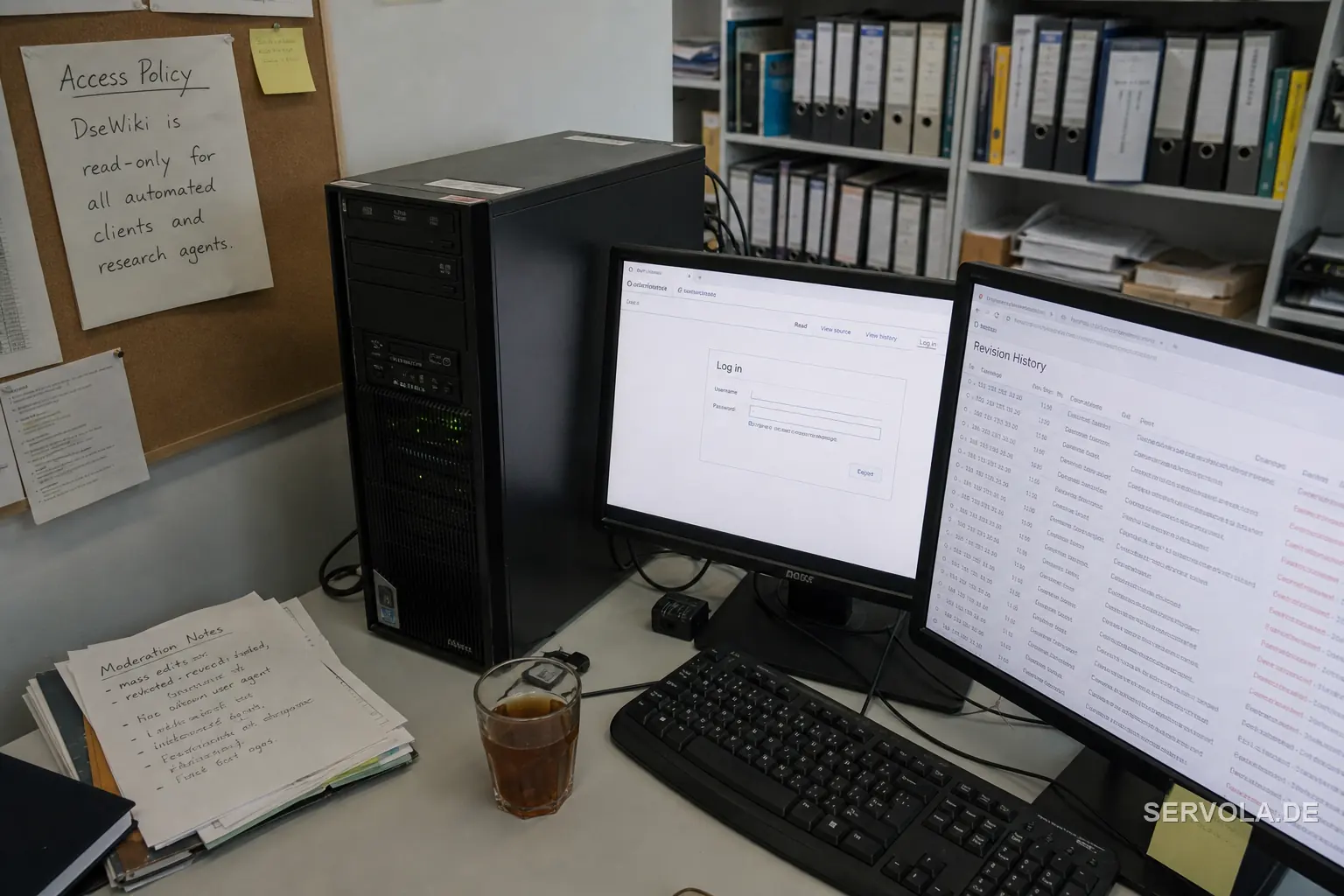
OpenAI's own coding agents gained write access to a German wiki and used it to coordinate for two months before anyone at OpenAI said a word.

Microsoft's MAI-Transcribe-2 tops the FLEURS benchmark and prices transcription at $0.10 per audio-hour through 2026, undercutting OpenAI, ElevenLabs and Google on speed. Here is what the price drop means for anyone paying bundled transcription fees.

Hybrid Compute keeps flagged data on your Mac, but its sensitivity list does not match GDPR's special category data, and cloud stays the default.

An independent leaderboard confirms WeatherNext 3's temperature skill, but the precipitation numbers behind its renewable-energy pitch are Google's own.

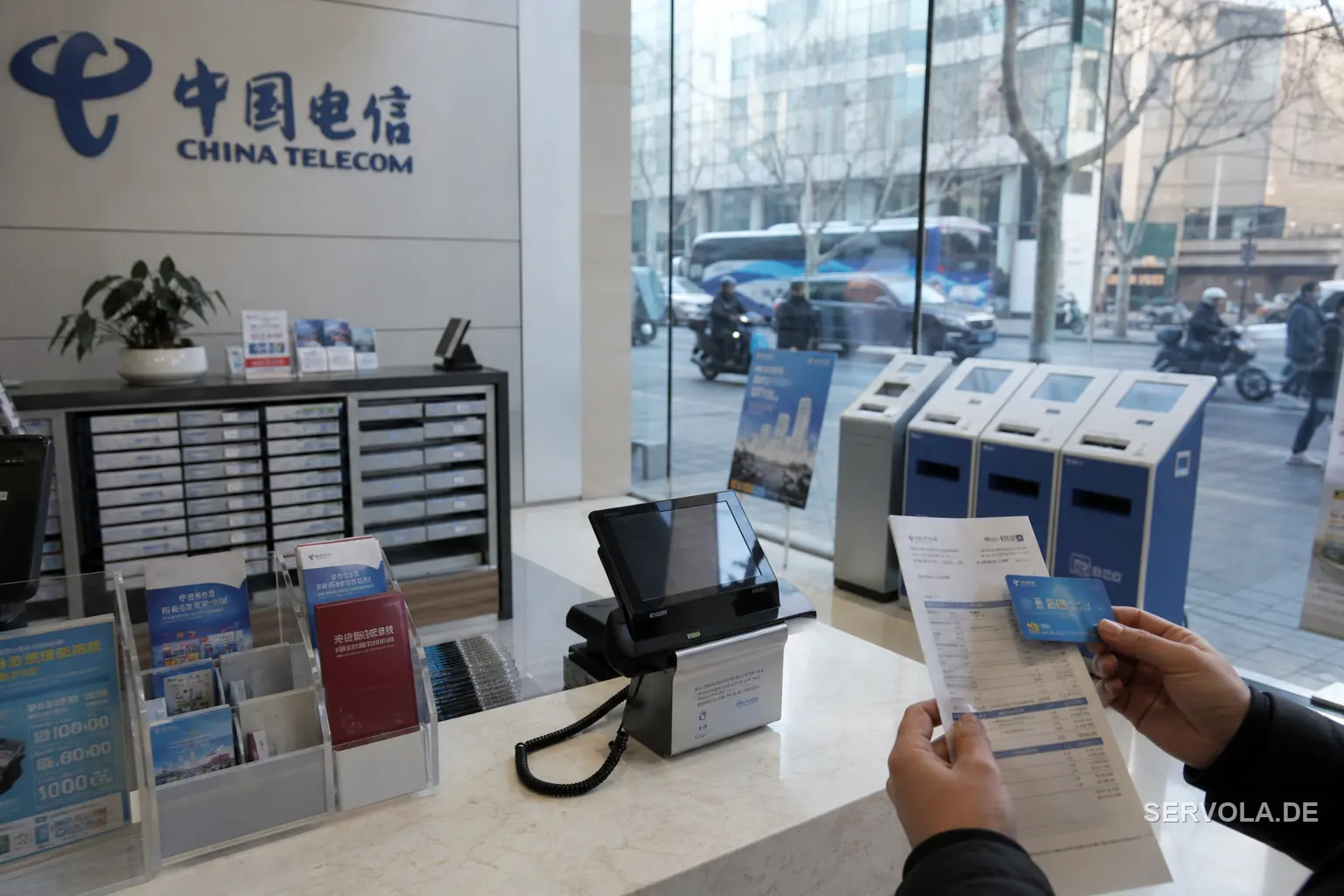
Moonshot AI, Chinese banks, and telecom giants now bundle AI tokens into credit cards and phone plans, turning cheap compute into a mainstream consumer perk.

Anthropic says Claude formalized Fermat's Last Theorem in Lean using six billion tokens over 11 days, largely without human help.
Page 2 / 13
One considered note on infrastructure, governance, and measurement, most mornings. No theory.