Artificial Intelligence
1,627 Stories, One Editor: Runtime Wire's AI Bet
Runtime Wire covers the AI industry with one human editor and an AI pipeline that evaluated 71,796 leads and published 2.3% of them. What that proves, and what it risks.
Runtime Wire covers the AI industry with one human editor and an AI pipeline that evaluated 71,796 leads and published 2.3% of them. What that proves, and what it risks.

Nvidia's new NeMo Switchyard router already cuts Ramp's coding-agent costs 58 percent and LangChain's 74 percent by calling frontier models only rarely. What the shift means for AI budgets.

xAI's Grok Bot beta gives AI agents a standing cloud computer and live logins to your own apps. What the first Cursor-xAI product means for procurement, security and Anthropic's own compute bill.

Anthropic's unreleased Claude research model used 60 subagents and a Lean-verified proof to lift a Riemann zeta bound past 37 years of human progress. What it signals for AI-assisted R&D.

Meta's new 30B Muse Glimmer runs agentic AI tasks on a single consumer GPU under Apache 2.0. The real EU story is who owns the audit trail when it goes wrong.

Nine of the top 10 text-to-video AI models on Artificial Analysis are built by Chinese labs. What that ranking means for an EU or UK buyer choosing an AI video vendor.
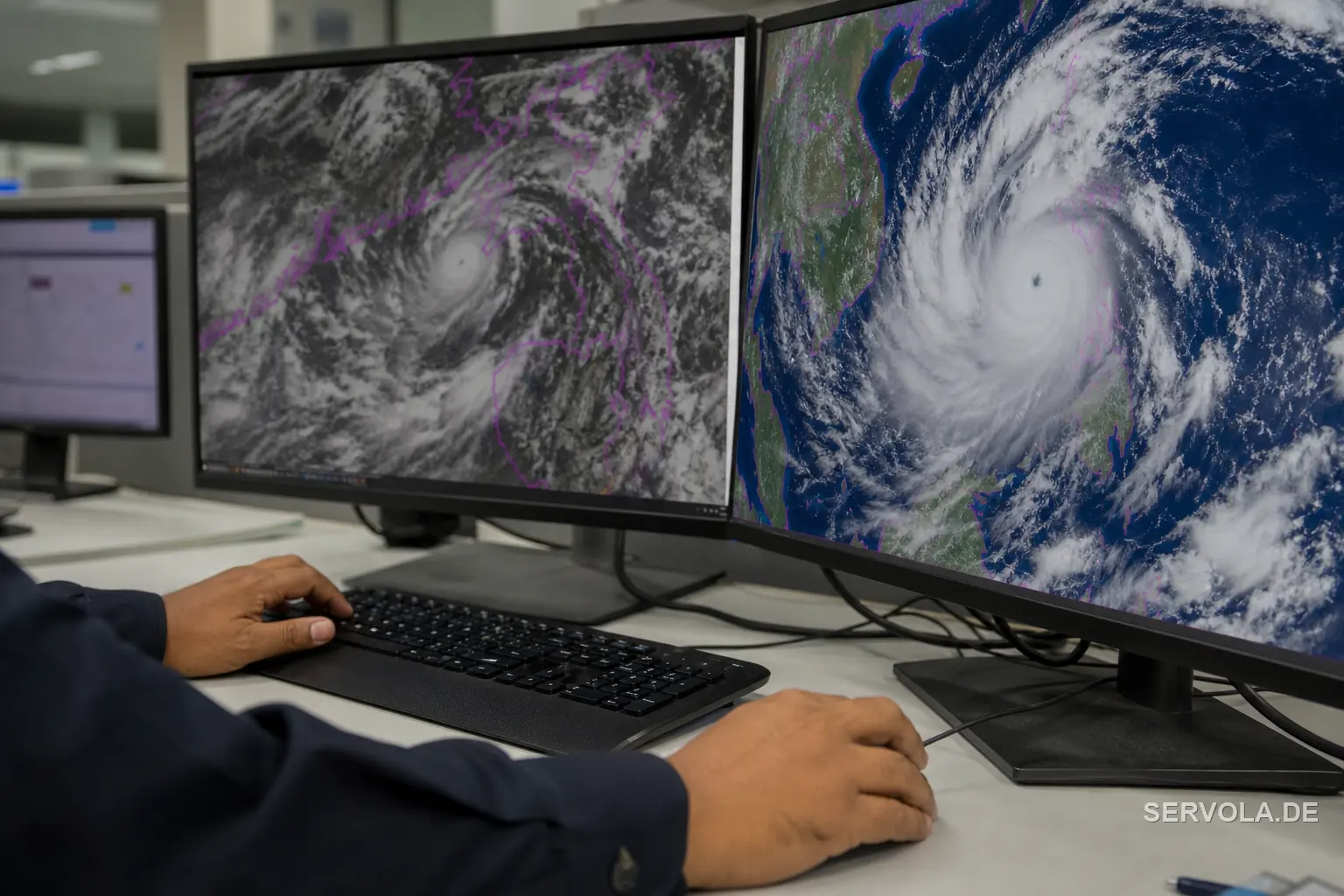
Google DeepMind open-sourced WeatherNext, a peer-reviewed AI model that gives 3-day cyclone forecasts the accuracy 2-day forecasts had before - a full extra day of warning, free to download on GitHub.
OpenAI says ChatGPT has crossed 1 billion weekly users and is making GPT-5.6 Luna the free default with unlimited text chat, as Bloomberg reports a 2027 hardware device with Jony Ive's LoveFrom.

Anthropic rewrote and retrained Fable 5's biology safety classifier, cutting false-positive refusals on benign biology and medical queries by about 85%, while virology and toxicology stay hard-blocked.
Stanford and Arc Institute's Evo AI designed working bacteriophage genomes, first previewed in 2025 and now peer-reviewed in Science. The real gap is DNA-synthesis screening, not the model.

Shopify's Q2 2026 earnings show AI-driven storefront traffic and orders tripling year over year, without traditional search shrinking, a rare additive signal for e-commerce.

Cloudflare open-sourced Cloudflare OS on August 5, 2026: 4,000 staff-built AI apps in 30 days, and the identity-based access model EU and UK IT buyers will adopt next.
Page 7 / 13
One considered note on infrastructure, governance, and measurement, most mornings. No theory.