What AMD actually shipped
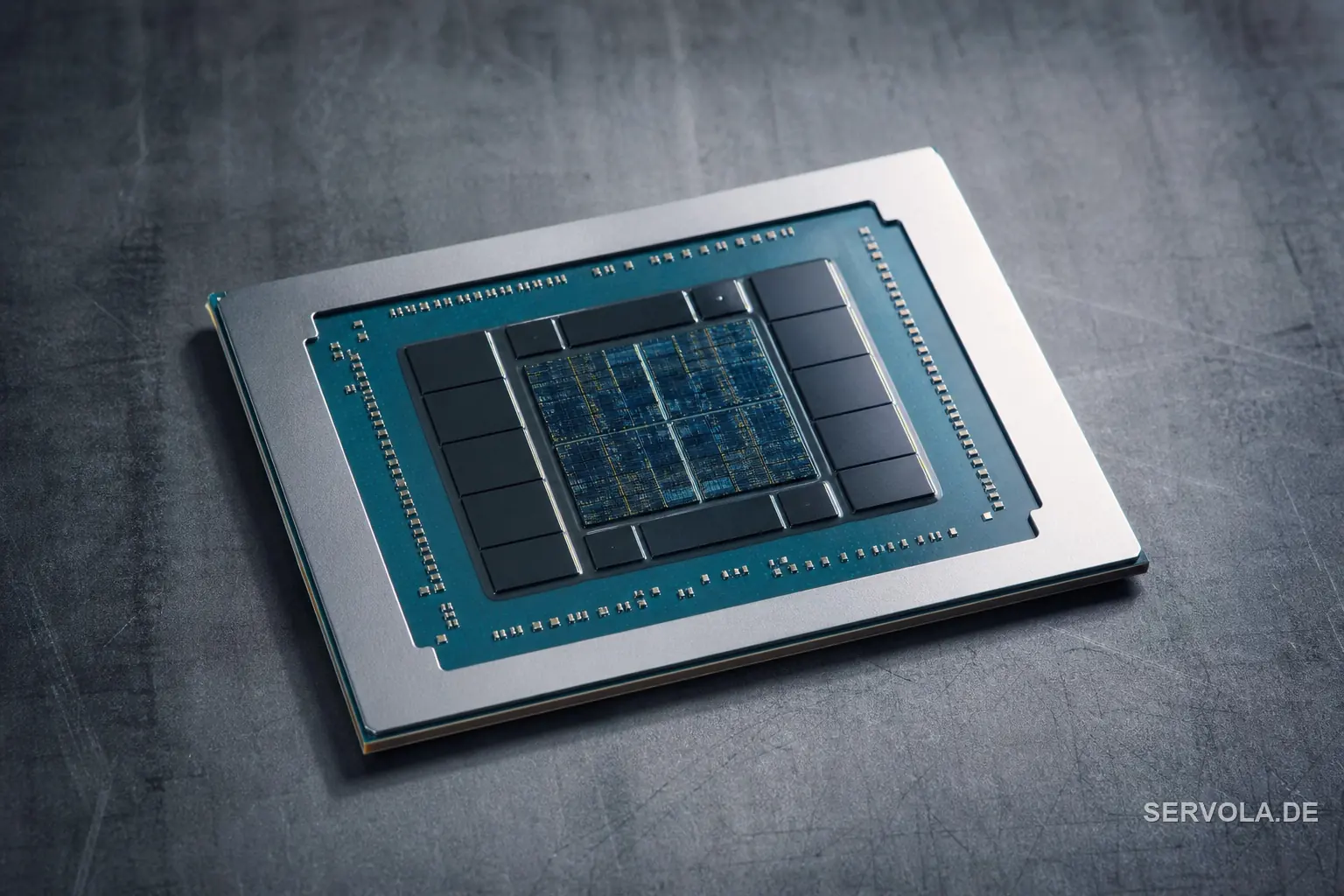
On July 22, at its Advancing AI event, AMD used chief technology officer Mark Papermaster to confirm that EPYC Venice, the sixth generation of its server line, is entering volume production on TSMC's 2nm process - the first high-performance server part built on that node. The flagship carries up to 256 cores, up from 192 in the Turin generation it replaces, and AMD claims more than 70 percent better performance and efficiency than the Zen 5 chips already in most new servers.
Underneath the headline number, the design changed shape. The standard compute die goes from eight cores to twelve, and the dense variant doubles to 32 cores per die, each with more cache. The platform moves to a new SP7 socket with 16 memory channels and adopts PCIe Gen 6, doubling the per-lane bandwidth available to move data between the processor and the accelerators it serves.
The real number is the consolidation ratio
For anyone who runs or rents compute, the core count is a proxy for the figure that matters: how many old servers collapse into one new one. A jump from 192 to 256 cores at over 70 percent better efficiency per watt means a workload that took ten racks of the prior generation can plausibly fit in six or seven, drawing meaningfully less power to do the same job. The refresh stops being a like-for-like swap and becomes a floor-space and energy decision.
That reframes the business case. The reason to buy is not raw speed for its own sake; it is fewer machines to license, cool, patch and insure, and a smaller power draw at a time when the power draw is what your landlord, your colocation provider or your grid operator is actually rationing. The chip that lets you retire two racks is worth more than the chip that wins a benchmark by ten percent.
Why the plumbing matters more than the peak
The less-quoted upgrade is the one that decides whether AI workloads run well: memory and interconnect. Sixteen memory channels and PCIe Gen 6 mean the processor can keep expensive GPUs fed with data instead of leaving them idle waiting for it. In AI serving, the accelerator is the costly asset, and a CPU that starves it wastes the most expensive part of the rack. Venice is built to stop being that bottleneck.
This is also a second-source story. For a decade the volume server market ran on a single dominant supplier, and Venice arriving on a leading process gives buyers a credible alternative at the top of the range. That matters even for owners who never switch vendors, because a real second option is what turns a price list into a negotiation.
The European angle is power, not price
In Frankfurt, Amsterdam, Dublin and London the constraint on new compute is not the cost of the chip; it is whether the grid can deliver the megawatts and whether the local authority will permit the connection. Several European hubs have paused or capped new data-centre power in the last two years. In that environment, a processor that delivers the same throughput for less electricity directly changes what you can build on a fixed power budget.
The takeaway for a European owner is to run the refresh case in watts, not just in euros. Ask how many current servers Venice consolidates, what that does to the rack's total power draw, and whether the saving frees enough headroom to add capacity you otherwise could not connect. On this continent the binding number is the megawatt, and this launch is aimed straight at it.
Read next: Drone Strikes Found the Ceiling on Cloud Backups | Chip CEOs Say Capital May Limit AI Before Chips Do