What Quantum Systems announced
The headline is the number. On 2 July 2026, Munich-based Quantum Systems announced a 1.2 billion dollar Series D at a post-money valuation of roughly 8 billion, one of the largest defense-tech rounds Europe has seen. The round was co-led by Blackstone, Airbus, Advent and Noteus, with Bond, Fidelity, Wellington, Balderton and HV Capital also participating, per the company's press release.
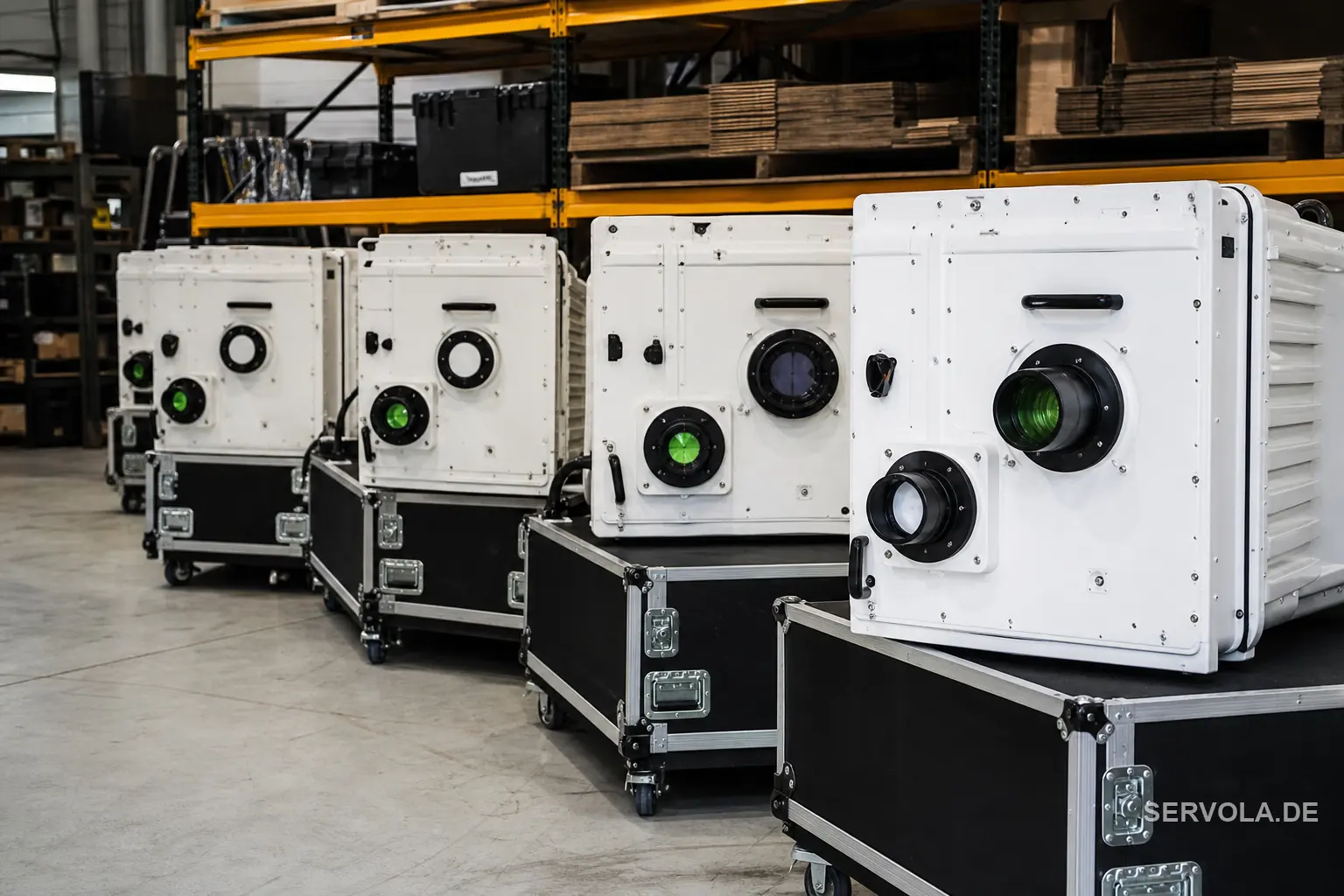
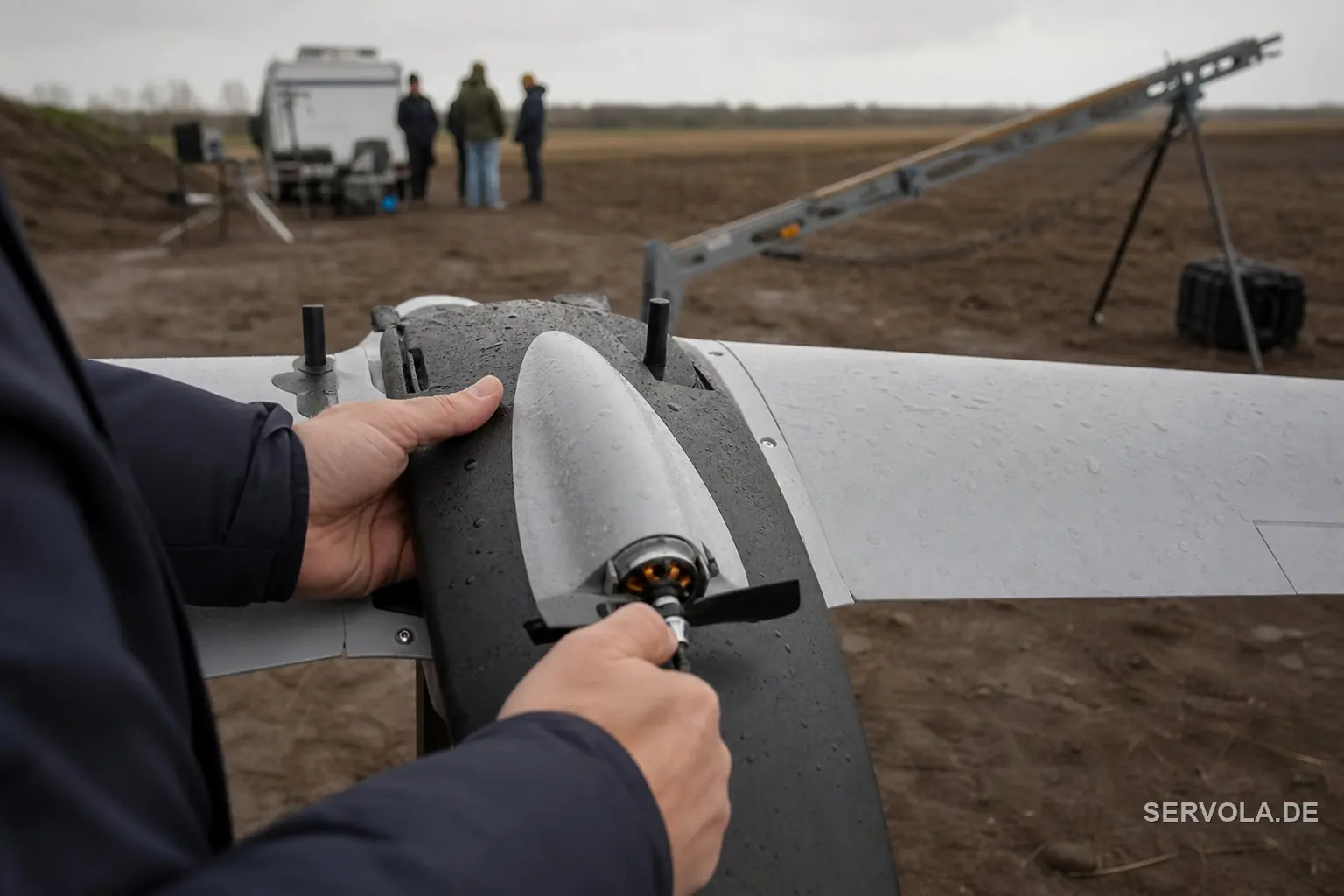
The company builds AI-powered autonomous drones and software-defined defense systems. Its flagship, the Vector, is a vertical-takeoff-and-landing reconnaissance drone with a wingspan near 2.8 metres, up to three hours of flight, a range around 60 kilometres, and real-time high-resolution ISR video. As CNBC reported, the capital will expand production capacity, strengthen supply-chain resilience, scale delivery across allied markets, and fund further software and AI work.
Why the Ukraine record changes the math
Combat use is the moat. Quantum Systems reports that its systems flew more than 19,000 missions in Ukraine during 2025 alone. That figure is not marketing; it is the reason investors treated an 8 billion valuation as underwriteable rather than speculative.
Procurement officers buy proof, not promise. A drone that has survived contested airspace at that volume carries a track record no lab demonstration can match, and it explains why record capital is flowing into European AI defense in 2026.
The Servola read for owners
Defense-tech is now a mainstream supply-chain category, not a fringe one. Europe is funding a home-grown, combat-validated autonomous-defense stack at venture scale, which turns sovereign capability from a procurement checkbox into a fundable product. With Airbus on the cap table, this is European primes and European capital backing European hardware rather than importing it.
If your business touches industrial parts, sensors, communications, batteries or software, the dual-use defense buyer is now a real and fast-growing customer. Map whether your components qualify. There is a genuine tension here: dual-use classification brings ITAR and EU dual-use export obligations, plus reputational questions that a purely civilian product never carries.
The move is to decide deliberately, not by accident. Know your classification before a defense prime asks for a quote, because the export-control paperwork is easier to build in than to retrofit.
Read next: Africa's Largest Seed Round Just Backed A Drone Maker | US and Russia Erased the Rule on AI Weapons