The capability bar moved, and it moved for everyone
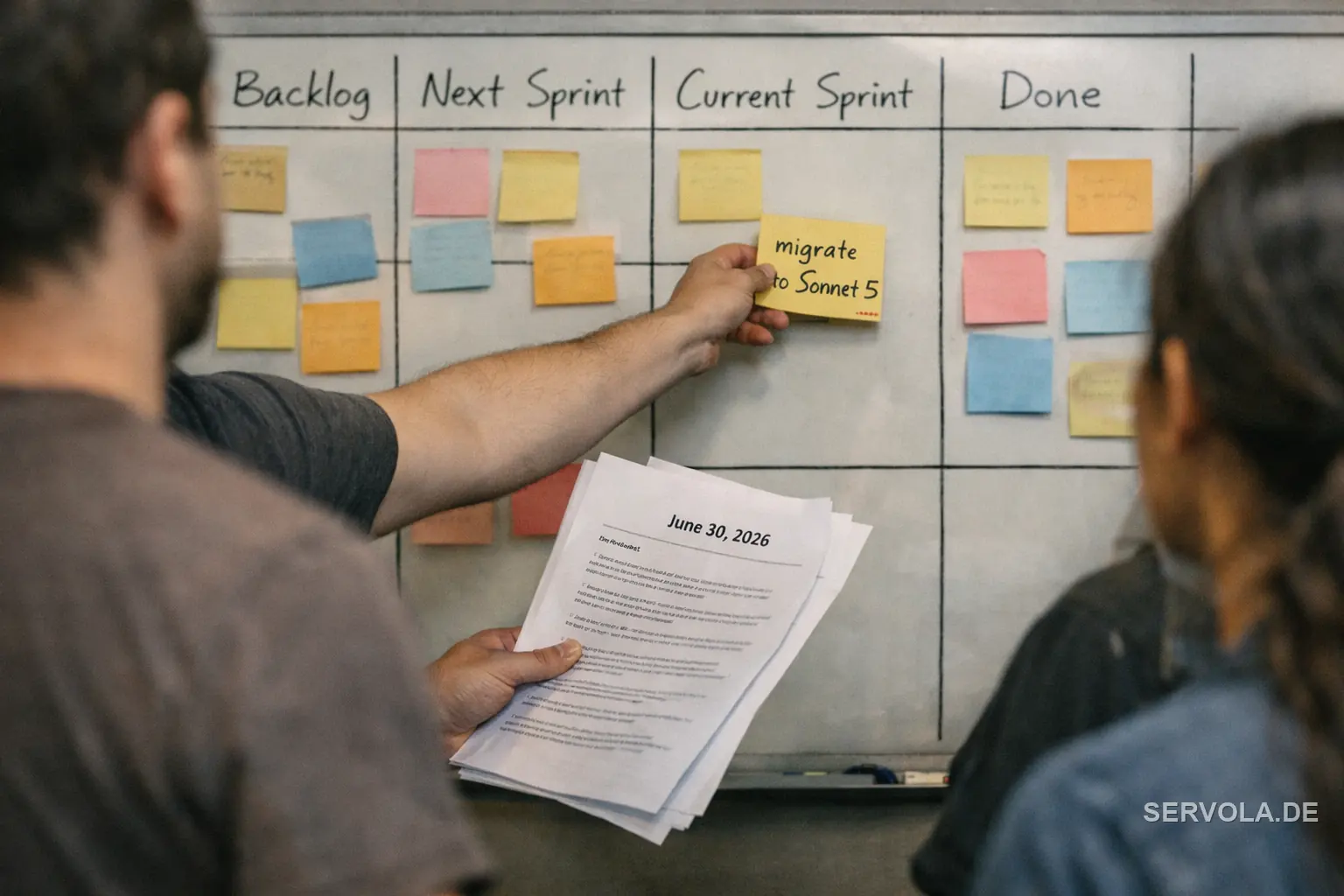
On June 30, 2026, Anthropic released Claude Sonnet 5, which it describes as its most agentic Sonnet model to date, with stronger performance on coding, tool use, reasoning, and everyday professional work. For an owner this is not a product review item, it is a change in what a machine can reliably do without a person checking every step. Tasks that needed a skilled employee last quarter may now be drafted, structured, or triaged by software, and the gap to the more expensive top tier has narrowed.
The part that matters most is that this upgrade reached your competitors on the same day it reached you. A frontier model arrives the same morning for the firm next door and the upstart with no legacy process. The advantage is no longer access to the tool, because access is near universal. The advantage is how quickly and how soundly you put it to work inside your own operations.
Decide what to hand over, and on what evidence
Start with a short list of repeatable, text heavy tasks where a wrong answer is recoverable and easy to spot. First drafts, summaries of long documents, structured data extraction, and routine correspondence are sensible candidates. Keep regulated, contractual, and client facing final outputs under human sign off until you have run them yourself and seen the quality hold. A more capable model does not remove the need to verify, it raises the value of verifying well.
Cost should inform the order you adopt, not the decision itself. Anthropic listed introductory API pricing of 2 USD per million input tokens and 10 USD per million output tokens through August 31, 2026, rising to 3 and 15 afterward, and the model is available across its plans and via the API. Confirm current figures and terms with Anthropic before you budget, because pricing and availability change. Treat any headline benchmark as a reason to test on your own work, not as a guarantee.
Let governance set the pace, not slow it
Capability without guardrails widens your exposure as fast as it widens your upside. Before staff route real work through any model, settle the basics in writing: which data may be entered and which may not, who reviews output before it leaves the building, where vendor data handling and retention terms stand, and how you log what was automated. Anthropic states that Sonnet 5 showed a lower rate of undesirable behaviors than the prior Sonnet in its own evaluations, which is reassuring but is not a substitute for your own controls.
This is an operating decision, not a one off purchase. Name an owner for AI adoption, run a small supervised pilot, and review results before you widen access. None of the above is legal or financial advice, so confirm data protection, confidentiality, and sector rules with your own advisers before regulated work touches any model. Move deliberately and you capture the gain while keeping the risk inside lines you drew.
Read next: Match the Model Tier to the Job | When You Cannot Buy The Best Model