The Board Picked a Seller
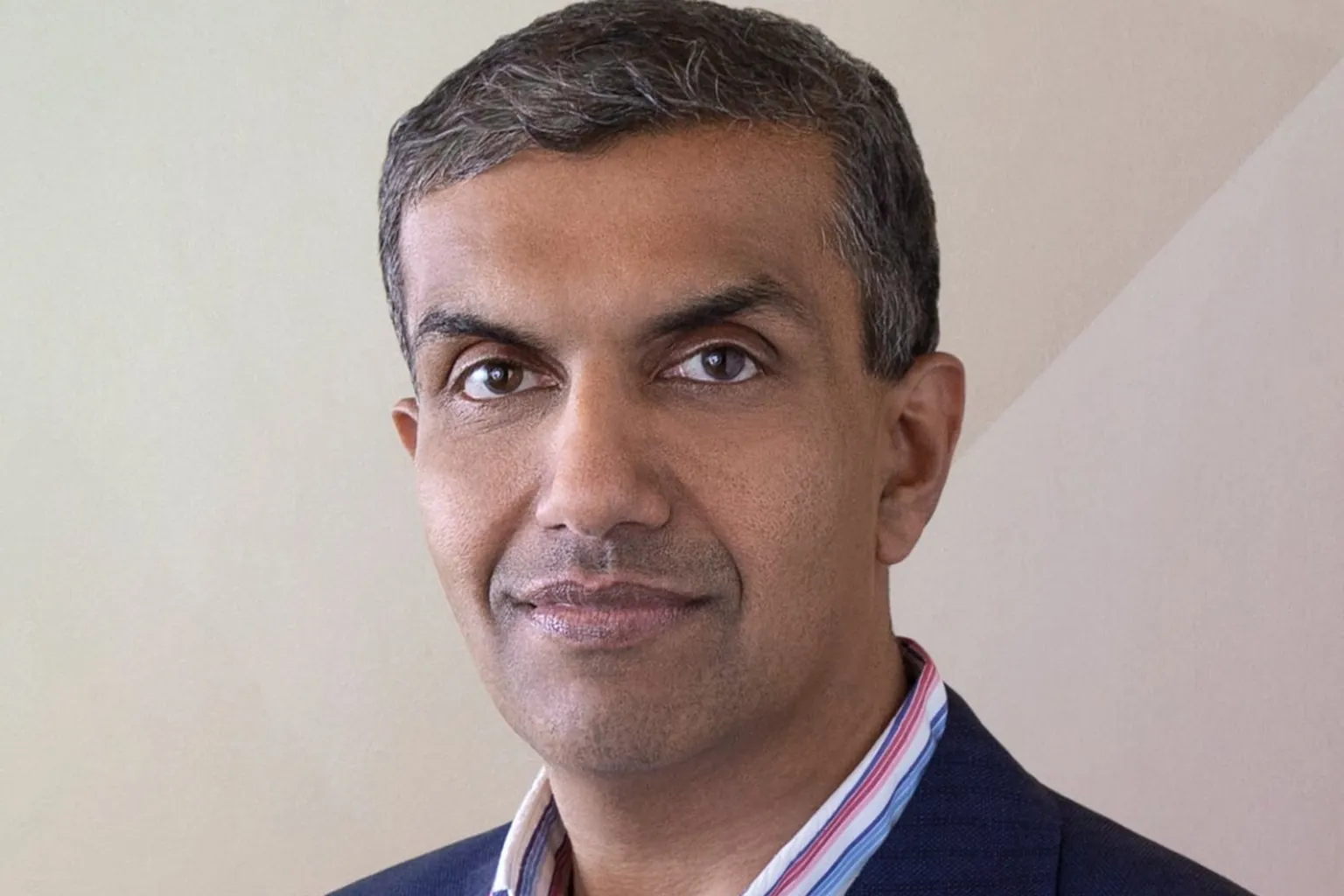
Adobe's board announced on September 3, 2026 that Anil Chakravarthy will become president and chief executive officer effective December 1, 2026, taking over from Shantanu Narayen after eighteen years in the role. Narayen becomes executive chair and keeps a board seat through the transition. Frank Calderoni, Adobe's lead independent director, called it the outcome of a rigorous selection process and said Chakravarthy is the right leader for Adobe's next chapter of growth.
Chakravarthy joined Adobe in January 2020 to run the Digital Experience business, added worldwide field operations later that year, and was promoted to president of Customer Experience Orchestration and field operations in December 2021. Before Adobe he spent four years as CEO of Informatica and held roles at Symantec, VeriSign, and McKinsey. In his own statement he said he is energized to fuel growth and lead Adobe into the next era of agentic software for creativity, productivity, and customer experience.
What the Job Title Does Not Say
Read only the announcement and the succession sounds like a normal handover: eighteen years in, time for a new generation, an internal candidate the board trusts. Read Chakravarthy's actual job history and a sharper picture appears. He has never run Adobe's Creative Cloud product group, never led its AI research organization, and never held a chief technology or chief product title anywhere in his career. Every senior role he has held, at Informatica, at Symantec, and at Adobe, has been on the side of the business that sells to enterprise customers and manages what they already pay for.
That is not a criticism of his record. It is simply a different job than the one usually handed to a tech company's next chief executive when the stated priority is competing on artificial intelligence. Companies racing to build the best model tend to promote from product or research. Adobe did not.
The Real Signal Is Who Did Not Get the Job
Adobe is not trying to out-build OpenAI, Google, or Anthropic on raw model capability, and this appointment says so more clearly than any earnings call has. Its actual advantage is a customer base that already pays for Creative Cloud, Document Cloud, and Experience Cloud under long-run enterprise contracts, and Chakravarthy's entire career has been about deepening exactly that kind of relationship. Promoting him is a bet that the next several years of value in enterprise AI get captured by whoever sells and embeds it into accounts that already exist, not by whoever ships the sharpest model.
That is a coherent strategy. It is also a narrower one than the language of the announcement suggests, and it puts a ceiling on how much Adobe will spend chasing frontier-model parity rather than frontier-model distribution.
A Pattern Owners Can Actually Use
The next time a vendor announces a leadership change and frames it around AI, do not read the quote first. Read the org chart the new chief executive is coming from. A promotion out of product or research signals a bet on differentiated technology. A promotion out of sales, field operations, or customer success signals a bet on distribution and lock-in inside contracts a company already holds. Neither bet is automatically wrong, but they call for a different kind of vendor scrutiny: one asks whether the technology will stay ahead, the other asks whether your renewal terms are about to get less favorable to you.
For Adobe customers specifically, the practical question going into December is not whether Adobe's AI will be the best available. It is whether the next contract renewal quietly bundles AI features priced as if the answer to that question no longer matters.
What Comes Due on December 1
Three things will tell the market whether this bet is working. The first is whether Adobe's next earnings call after the handover attaches a real revenue number to agentic AI features sold through the Customer Experience Orchestration business Chakravarthy built. The second is whether a genuinely new agentic product ships under his watch, rather than incremental features layered onto Firefly and Acrobat. The third is how enterprise customers negotiate their next renewal once the person setting pricing strategy is, for the first time, the same person who used to sell them the contract.
Read next: Anthropic Spends $100M To Train 10,000 Engineers | Snap's Enterprise Glasses Answer to Four Vendors