The largest seed round an African startup has ever raised
Terra Industries closed its seed round at 52 million dollars total on August 17, 2026, after adding an 18 million dollar tranche this week to two earlier 2026 rounds: 11.75 million dollars in January, led by 8VC, and 22 million dollars in a follow-on led by Lux Capital. It is the largest seed round any African startup has raised. Founded in 2024 by Nathan Nwachuku and Maxwell Maduka, the Nigeria-based company builds autonomous defense and monitoring systems for critical infrastructure across the continent.
Backers in the latest tranche include Silent Ventures, Nova Global, Belief Capital, SV Angel and Norleo Space Investments alongside the existing investor base. Terra says it expects to book around 100 million dollars in contracts this year, including at least one contract with a national government, and to generate tens of millions of dollars in revenue by year end.
What 11 billion dollars in guarded assets actually looks like
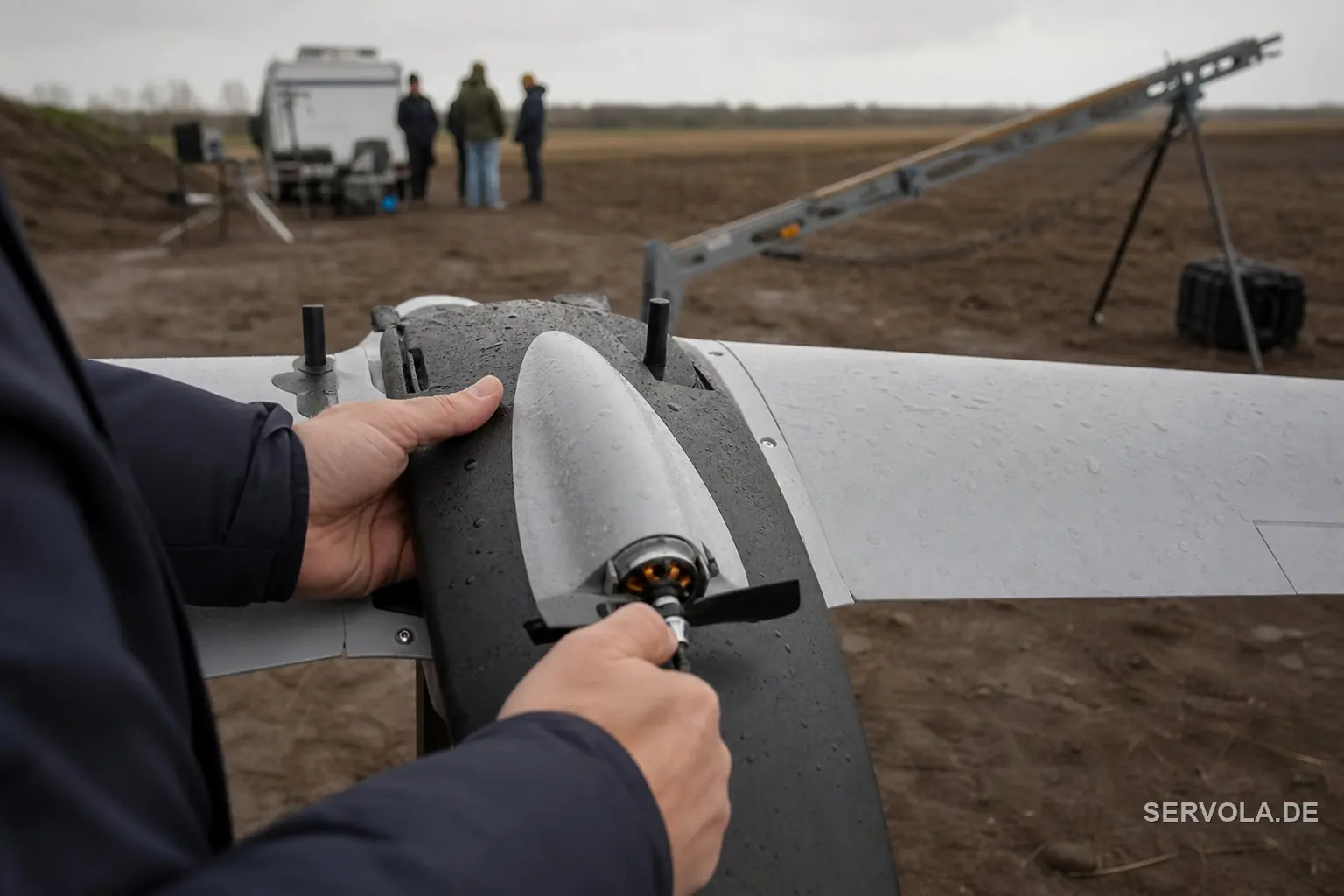
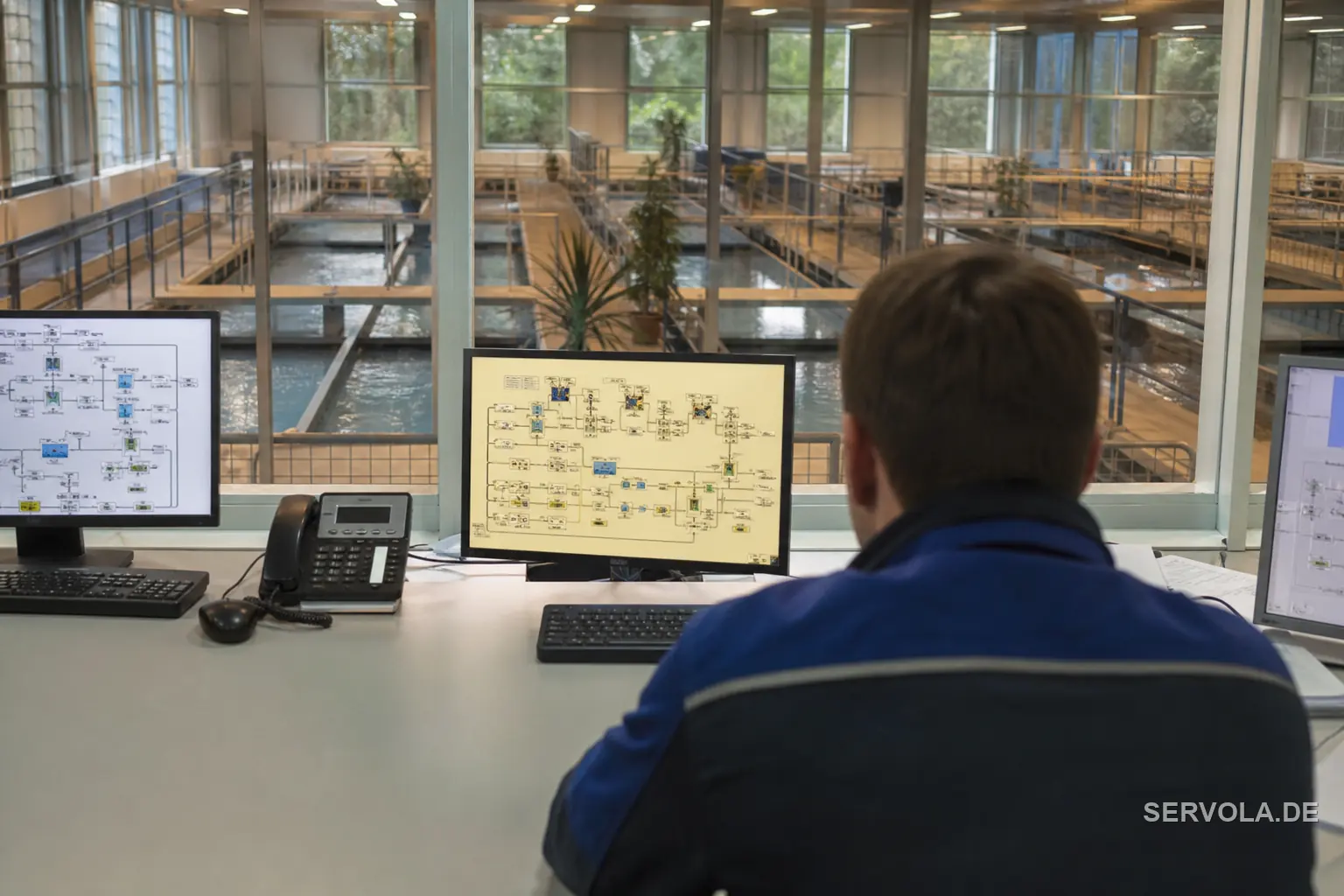
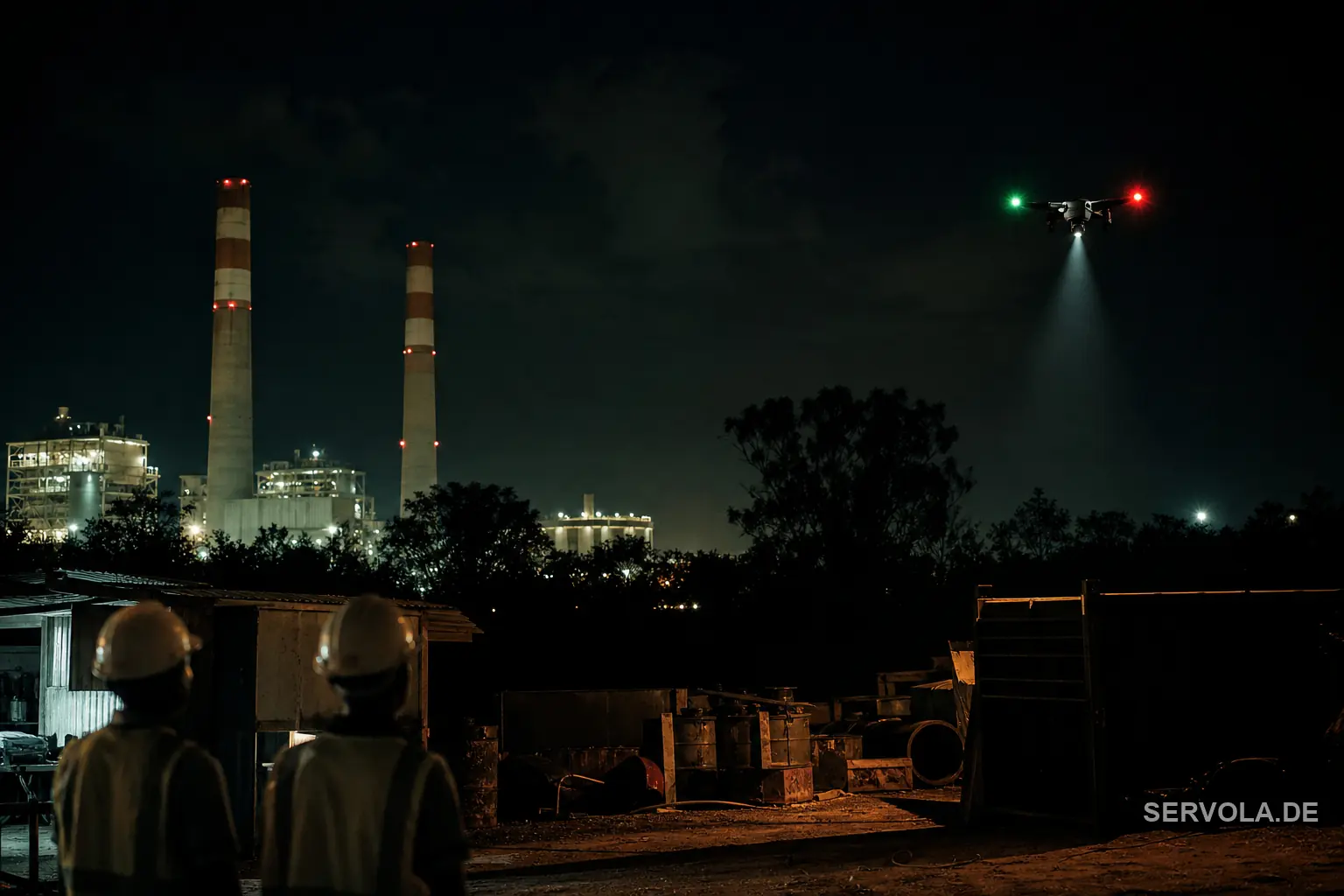
Terra's systems already protect more than 11 billion dollars in critical infrastructure, mines and power plants, across several African countries. The product line spans the Archer VTOL drone for long-range surveillance and strike missions, the Iroko UAV for rapid tactical deployment, the Kama interceptor built to counter hostile drones, Kallon sentry towers, and Duma unmanned ground vehicles, all coordinated through Terra's own ArtemisOS software for threat detection and autonomous mission planning.
That is a materially wider system than a single surveillance drone: it is a coordinated sensing, interception and ground-response stack built specifically for physical assets that cannot afford downtime, the same category of asset an operator in Europe worries about when it runs a plant, a substation or a mine.
A factory built to avoid the export label
Terra's Pax-2 factory in Accra, Ghana, at 34,000 square feet, becomes the largest drone manufacturing facility on the African continent once fully operational, with capacity for roughly 50,000 units a year, running alongside the smaller 15,000 square foot Pax-1 plant in Abuja, Nigeria. CEO Nathan Nwachuku frames the strategy directly: critical infrastructure across the Global South, in his words, is best protected by systems designed for these environments and built in the regions they protect, rather than imported wholesale from a US or European defense contractor.
That is a deliberate contrast with the standard defense-tech model, where hardware is designed in one region and exported to another. Terra is betting that local manufacturing, local calibration and local government relationships are themselves a competitive advantage against better-funded foreign vendors, not just a cost-saving measure.
Why the 8VC overlap matters beyond Africa
8VC, the firm that led Terra's first round, is also a backer of Anduril and Shield AI, two of the highest-profile US defense-technology companies building the export model Terra positions itself against. The same investor is now underwriting both sides of that argument, one company built to sell Western-designed autonomy abroad, another built to replace that import with something regional. For any operator building a multi-vendor strategy in physical-security AI, that is a concentration point worth tracking in the same way an IT buyer already tracks which cloud or chip vendor sits behind competing software brands.
Terra's own expansion plans point the same direction: a new London office and manufacturing expansion into the Middle East, South America and South Asia. A company that started by guarding mines and power plants in Africa is now positioning itself as a vendor option for infrastructure operators well beyond the continent, at a moment when European utilities and industrial sites are themselves under growing pressure to secure physical assets against drone-borne threats.
Read next: US and Russia Erased the Rule on AI Weapons | Claude Became A Weapons Engineering Team