Two Rivals Built One Machine
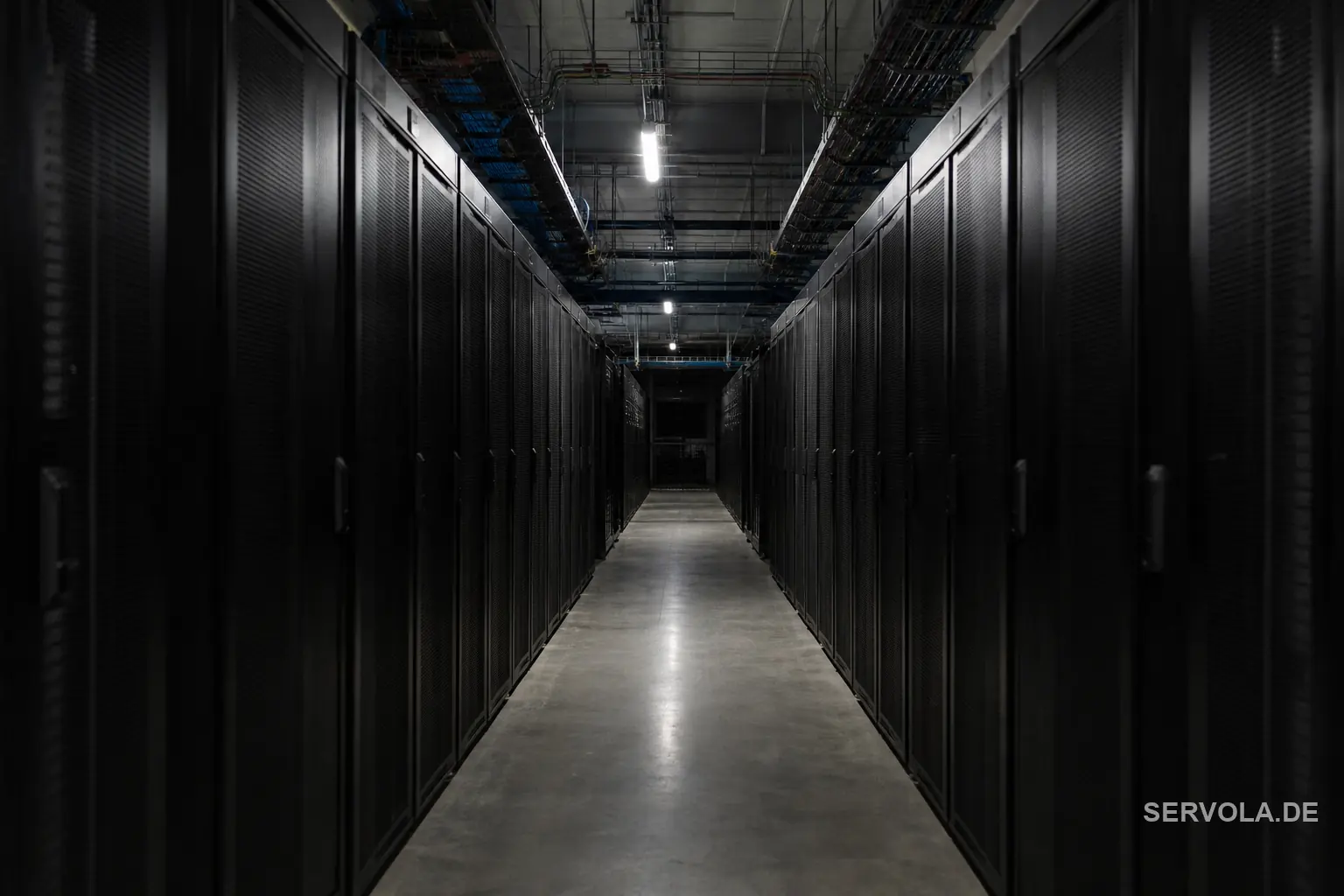
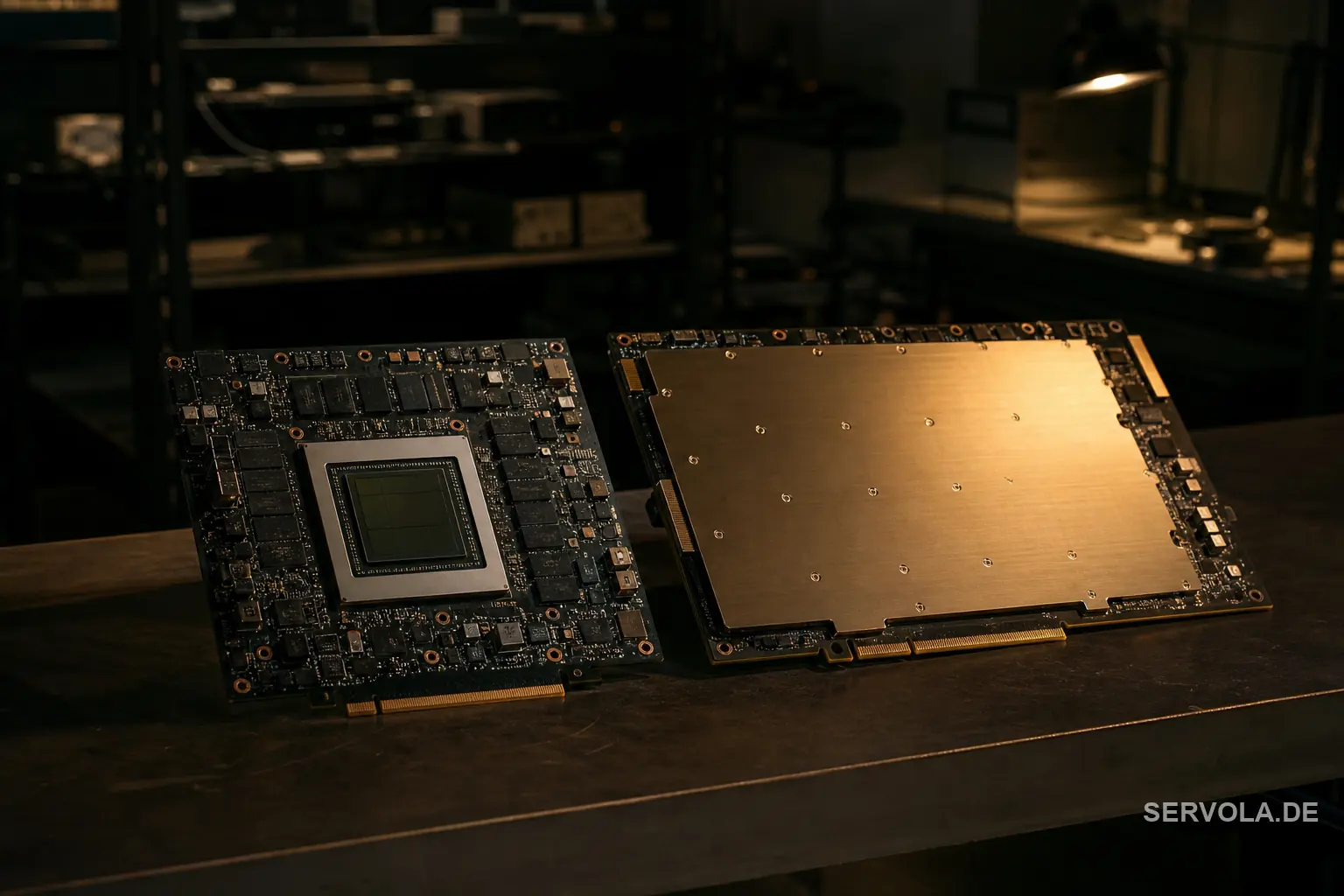
On July 23, AMD and Cerebras announced they would run a single AI inference workflow across both companies' chips, the kind of pairing competitors usually avoid. AMD Helios, the rack built from EPYC processors and Instinct GPUs, processes the prompt and the large context window. The Cerebras Wafer-Scale Engine then generates the tokens, the part users feel as speed.
AMD chief executive Lisa Su framed inference as one of the largest infrastructure opportunities in AI, one whose growing diversity needs a more flexible approach. Cerebras chief executive Andrew Feldman pitched the same deal on raw latency. The point both leaders left unsaid is blunt: neither chip, alone, wins the whole job anymore.
Prefill and Decode Want Different Silicon
Modern inference has two phases with opposite appetites. Prefill, reading the prompt and its context, is compute-heavy and rewards throughput, which is what a GPU rack like Helios does well. Decode, writing each new token, is memory-bandwidth-heavy and rewards ultra-low latency, which is where a single giant Cerebras wafer shines. Forcing one chip to do both means paying for capacity the other phase wastes.
Splitting the two, an approach the industry calls disaggregated inference, lets each phase run on the hardware built for it. That is the real news here, more than either vendor's logo: the assumption that one accelerator serves an entire model is breaking apart.
Read the Footnote on 5x
The companies claim up to five times higher tokens per second per watt. Read the conditions: the figure was modeled by AMD and Cerebras in July 2026 using the Kimi 2.6 1T model, and the comparison is against a Cerebras-only configuration at a comparable interactivity point, not against Nvidia and not a measured production benchmark. The press material itself notes that different configurations yield different results.
The rollout is narrow, too. The joint system is expected on Cerebras Cloud in the second half of 2026, a hosted service before it is anything you install. Markets read it as incremental, and AMD shares slipped about 3 percent on the day. Treat the 5x as a modeled ceiling, not a receipt.
What It Changes for Your Compute Budget
For a European operator sizing an AI feature, the lesson is to price inference by phase, not by chip. A customer-support chatbot lives in the decode phase, where latency and per-token watts decide the bill; a contract-analysis pipeline that ingests long documents leans on prefill throughput. The same euro of hardware buys very different economics depending on which half you lean on.
The wider signal matters more than one product: a second credible rack-scale inference stack is forming outside Nvidia, and it is being sold as cloud capacity you can rent this year. That does not dethrone anyone, but it hands buyers a second quote, and a second quote is how prices stop being dictated.
Read next: AMD Pays $8.2B for a Lab Nvidia Also Backed | AMD Crosses 30 Percent of Every x86 Chip Segment