A Former Bitcoin Mine Becomes an AI Landlord
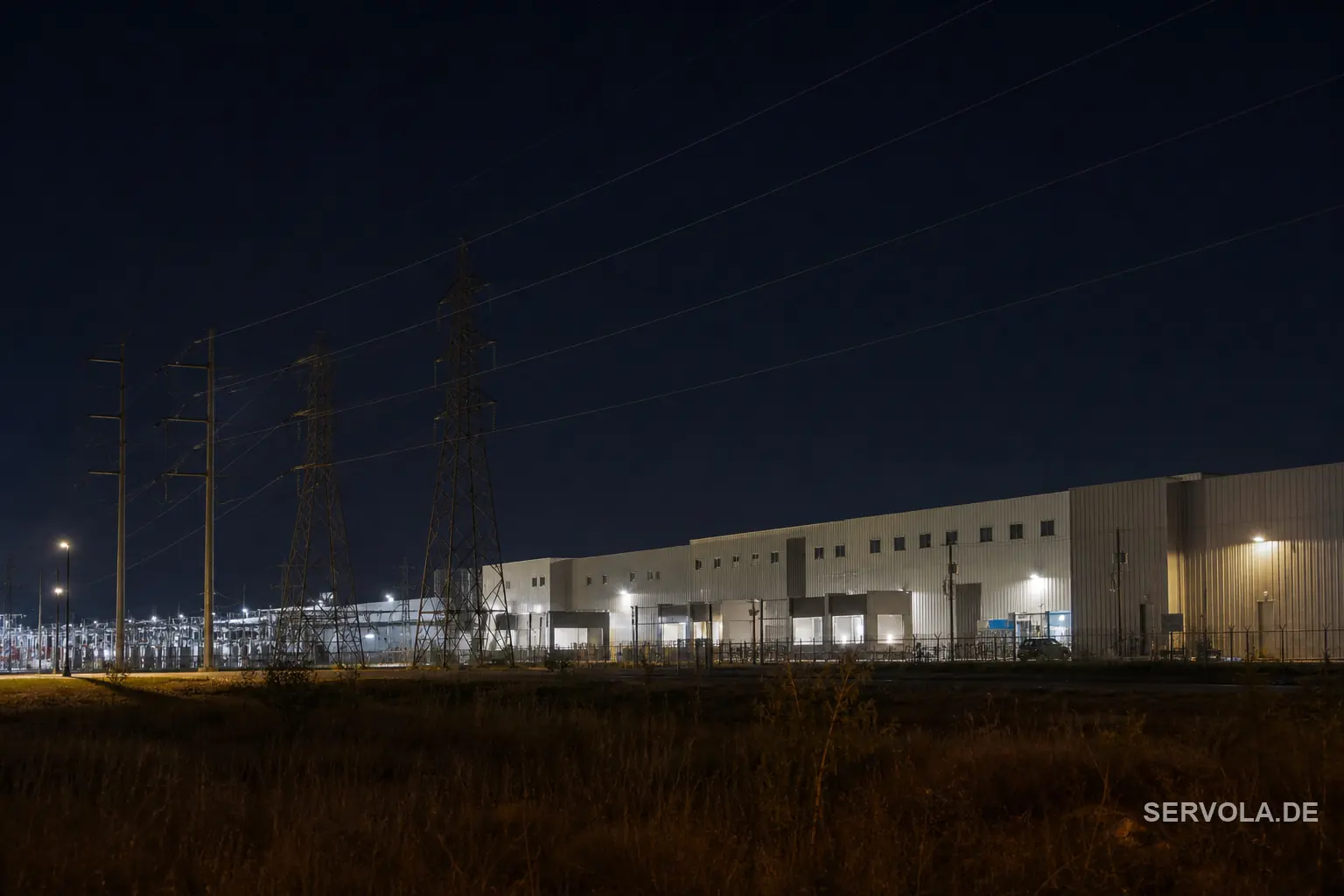
Before August 31, 2026, the 350-megawatt site in Nueces County, Texas ran rows of bitcoin-mining rigs, drawing on power and grid infrastructure that had been built years before artificial intelligence needed either.
Hut 8, the company that built and operated the site, spent years securing that power and grid connection the way every industrial-scale bitcoin miner has to: through permitting, utility negotiation, and interconnection approval that can take longer than building the physical facility itself. When bitcoin-mining economics stopped justifying that scale of power draw, Hut 8 kept the site and repointed the same land, power, and grid access toward hosting AI infrastructure. That repointed capacity is what Anthropic bought into on August 31, 2026, when it signed a $35 billion cloud-capacity agreement with Lambda, an Nvidia-backed cloud provider, to use the site.
Nvidia Holds the Lease, Lambda Signs the Contract
Anthropic's counterparty on paper is Lambda, but Nvidia sits underneath the entire arrangement, holding the ground the deal is built on.
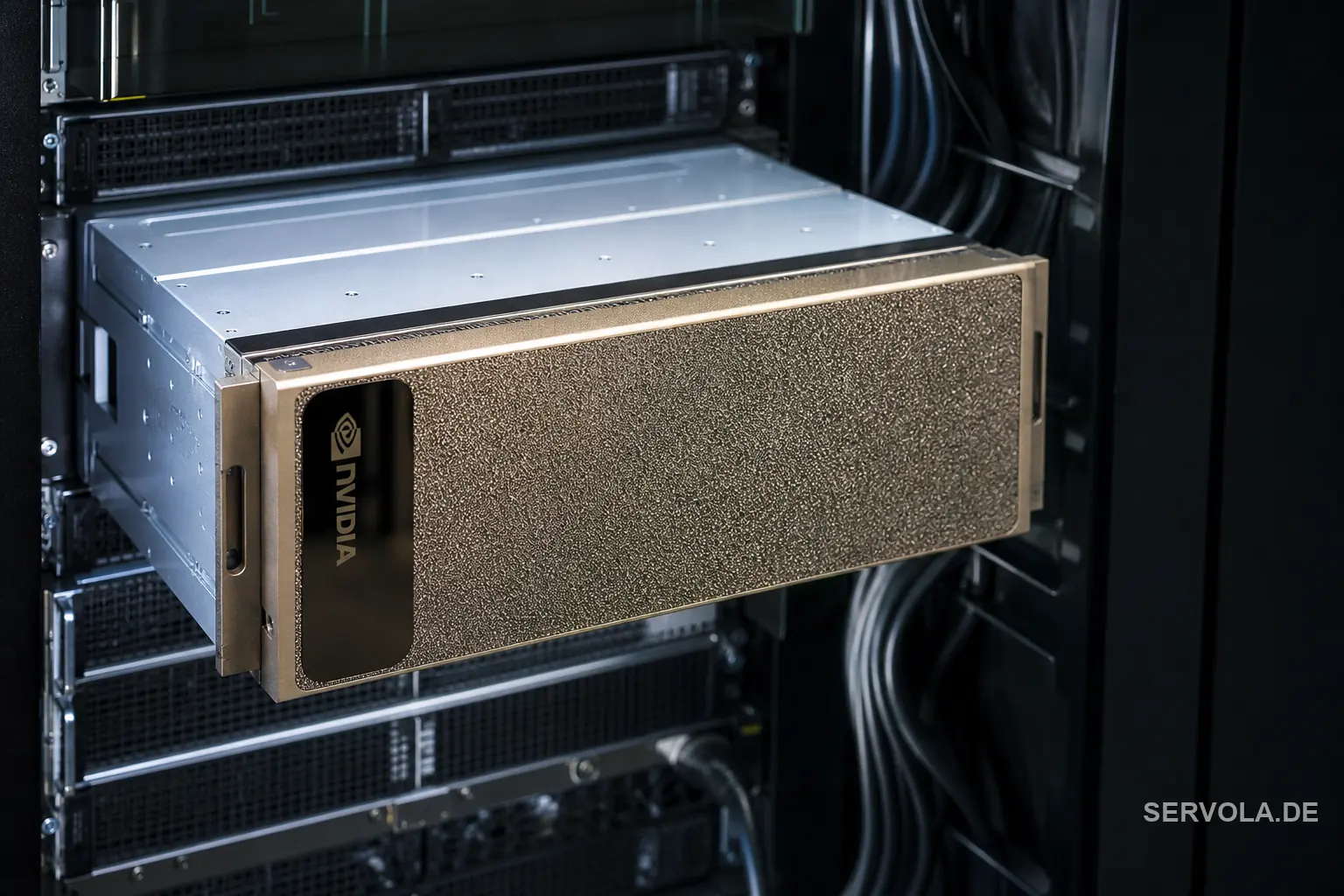
Nvidia holds the underlying lease on the Nueces County site and is effectively Lambda's investor for this specific deal, according to Bloomberg's reporting on the agreement, later corroborated by Forbes and CoinDesk. That structure means Nvidia is financing and securing the ground and the power those GPUs will run on, beyond simply supplying the chips themselves. For Anthropic, the arrangement solves a problem capital alone cannot shortcut: an already-energized site with grid interconnection already granted, skipping the years of permitting and utility-queue time that building a data center from scratch would otherwise require. The years saved by inheriting an already-cleared connection, more than the headline price tag, are the real asset changing hands in this transaction.
Two Anthropic Deals, One Week, the Same Bottleneck
Anthropic's Lambda agreement is the second multi-billion-dollar cloud-capacity commitment the company has signed in roughly a week.
Days earlier, Anthropic committed $45 billion to Nscale for a data center build in West Virginia, a deal Servola Journal covered separately as it happened. The two agreements differ in vendor, site, and structure, but they share the same underlying rationale: lock down power and land first, then fill the site with compute. The table below lines up what is public about each.
| Deal | Vendor | Site | Announced | Amount |
|---|---|---|---|---|
| Lambda deal | Lambda (Nvidia-backed) | Nueces County, Texas (Hut 8 site, Nvidia lease) | August 31, 2026 | $35 billion |
| Nscale deal | Nscale | West Virginia | Late August 2026 | $45 billion |
Texas regulators have separately moved to restrict new large-load grid hookups over concerns about so-called ghost demand, requests for capacity that never fully materialize into real electricity draw. Anthropic's Lambda deal sidesteps that restriction entirely, because the Nueces County connection was already secured years earlier under Hut 8's bitcoin-mining operation. That freeze makes an existing, already-cleared connection more valuable than it would have been a year earlier, and it explains why buyers are increasingly willing to pay a premium for land that already has power attached to it.
The Lesson for EU and UK Operators
For a European or UK operator watching AI infrastructure costs and availability, the Anthropic-Lambda deal is best read as a lesson in sequencing: what gets secured first determines what gets built first.
In 2026, acquiring access to power infrastructure that someone else has already built and cleared through the grid moves faster than building new capacity from scratch. Interconnection queues are now the leading constraint on AI capacity, ahead of chip supply, and Texas is demonstrating that from two directions simultaneously: Anthropic buying its way into an already-secured site while state regulators freeze new hookups elsewhere in the same market. EU and UK firms evaluating their own AI infrastructure or cloud partnerships should expect the same pattern to repeat closer to home, as European grid connection queues come under comparable pressure. Operators who wait for new connections to clear a queue will increasingly find themselves competing for capacity against buyers who already own it outright.
What's Confirmed, What Isn't
Bloomberg first reported the agreement on August 31, 2026, with Forbes and CoinDesk corroborating the core terms within a day.
The public record confirms the dollar figure, the date, the site's approximate power capacity, and the roles of Lambda, Nvidia, and Hut 8. It does not include a public breakdown of contract length, pricing per megawatt, or deal financing structure beyond Nvidia's role, and none of that has been disclosed as of this writing. Those specifics would normally surface in the months following a deal of this size, through regulatory filings or follow-up reporting.
Read next: A King Asked AI's Leaders for Reassurance, Not Rules | Nvidia Fell 3 Percent. Trump Called Its CEO Onstage.