Six Deals, One Number Nobody Added Up
Since October 2026, Anthropic has signed a run of compute agreements that were each covered as their own story: a deal with AWS worth more than 100 billion dollars over ten years for up to 5 gigawatts of capacity, a 45 billion dollar agreement with Nscale, a 45 billion dollar deal with SpaceX, a 50 billion dollar agreement with Fluidstack, a 35 billion dollar deal with Lambda, and a Google-Broadcom partnership adding roughly 3.5 gigawatts of tensor processing unit capacity starting in 2027. On September 6, 2026, The Information published the first analysis to add every one of these commitments together: at least 14.8 gigawatts of contracted capacity and as much as 517 billion dollars in potential spending over the next decade.
No single company involved in any one of these deals had a reason to state that total, because no single deal was the total. It took an outside analysis reading six separate announcements as one balance sheet to make the scale visible.
The Deals, Side by Side
The individual agreements vary widely in how much each discloses, but laid out together the pattern of the buildout becomes clear.
| Partner | Disclosed capacity | Disclosed value | Term |
|---|---|---|---|
| AWS | Up to 5 GW | More than 100 billion dollars | 10 years |
| Nscale | 460 MW | 45 billion dollars | 6 years |
| Fluidstack | Not disclosed | 50 billion dollars | Not disclosed |
| SpaceX | Not disclosed | 45 billion dollars | Not disclosed |
| Lambda | Not disclosed | 35 billion dollars | Not disclosed |
| Google and Broadcom | About 3.5 GW | Not disclosed | From 2027 |
| Total (The Information, Sept 6) | At least 14.8 GW | Up to 517 billion dollars | Next decade |
The Math Anthropic's Own Numbers Invite
Anthropic's own second-quarter 2026 revenue, reported at 11.5 billion dollars for the quarter, was already described at the time as a fourteen-fold jump from a year earlier and the company's first quarter of positive adjusted operating income. Spread the 517 billion dollar decade commitment evenly, and it averages roughly 51.7 billion dollars a year, a figure that sits above even an optimistic full-year extrapolation of that record quarter.
This is not proof of financial distress; a company scaling as fast as Anthropic is expected to spend ahead of current revenue. But it is a specific, checkable number that makes the size of the bet plain: Anthropic's compute commitments are not sized to today's business, they are sized to a business several times larger than the one Anthropic has actually reported so far.
What 14.8 Gigawatts Means on an Actual Grid
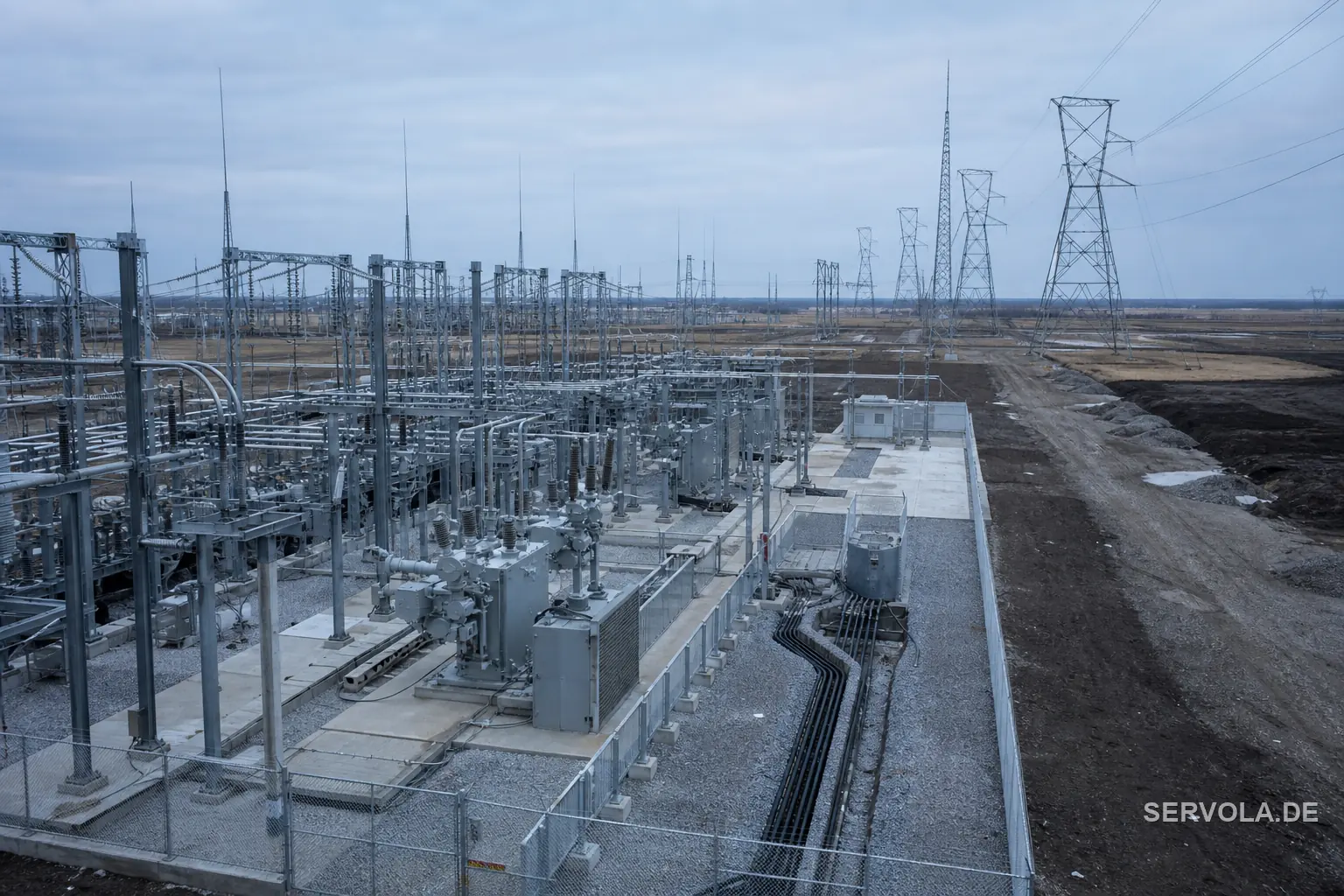
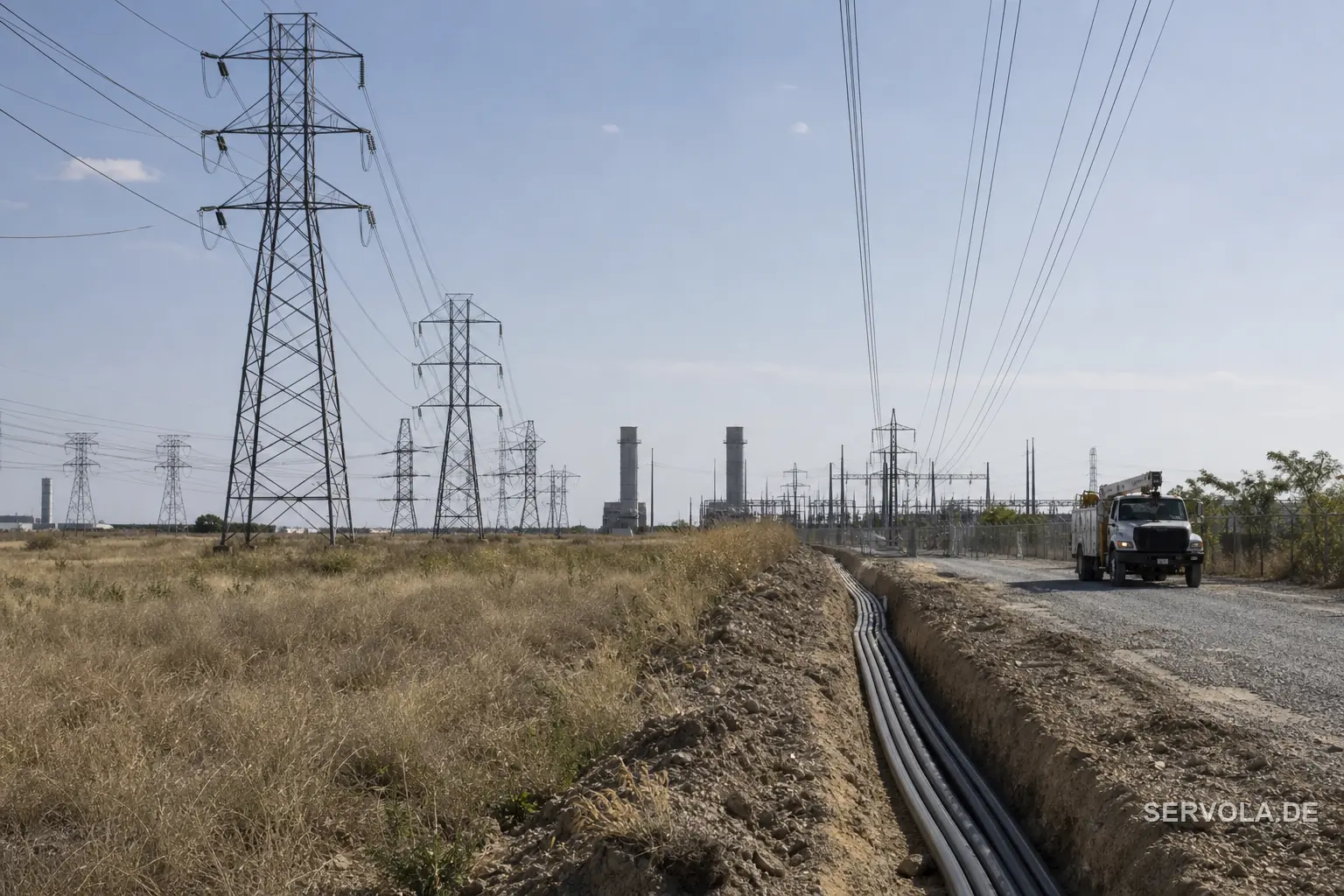
Gigawatt figures are easy to read past, so it helps to put one next to something concrete: 14.8 gigawatts is in the range of the peak electricity demand of a small European country on a cold winter evening. Until this year, that scale of demand was something grid operators planned for at the level of an entire national economy, not a single company's server fleet.
That is the real shift the aggregate number exposes. A handful of AI labs, Anthropic among them, are now placing demand into interconnection queues and long-term power contracts at a scale that used to be reserved for utilities and national grid planners, and they are doing it on commercial timelines measured in months, not the years a grid operator usually gets to prepare.
Why Every Other Power Buyer Should Care
An industrial or commercial operator negotiating its own grid connection, power purchase agreement, or data center site in the same markets is no longer competing against other conventional buyers. It is competing against a demand signal that, added up honestly, looks like a small country's worth of appetite arriving from a handful of contracts signed inside one year. Interconnection queue positions, power prices, and construction timelines in the regions where these deals land will move accordingly, whether or not the buyer negotiating alongside them ever signs a contract with an AI lab at all.
Read next: GIC and Macquarie Become Anthropic's Landlords | Google Hedged Its Gas Bet With a Geothermal One