What the Filing Will Actually Say
Anthropic's IPO prospectus will name public opposition to AI and data-center construction as a formal risk factor, according to people familiar with the filing who spoke to CNBC on August 21, 2026. Chief financial officer Krishna Rao has been holding preliminary, test-the-water meetings with bankers and investors in San Francisco ahead of the offering, which Anthropic confidentially filed for in June 2026, with public documents expected within weeks.
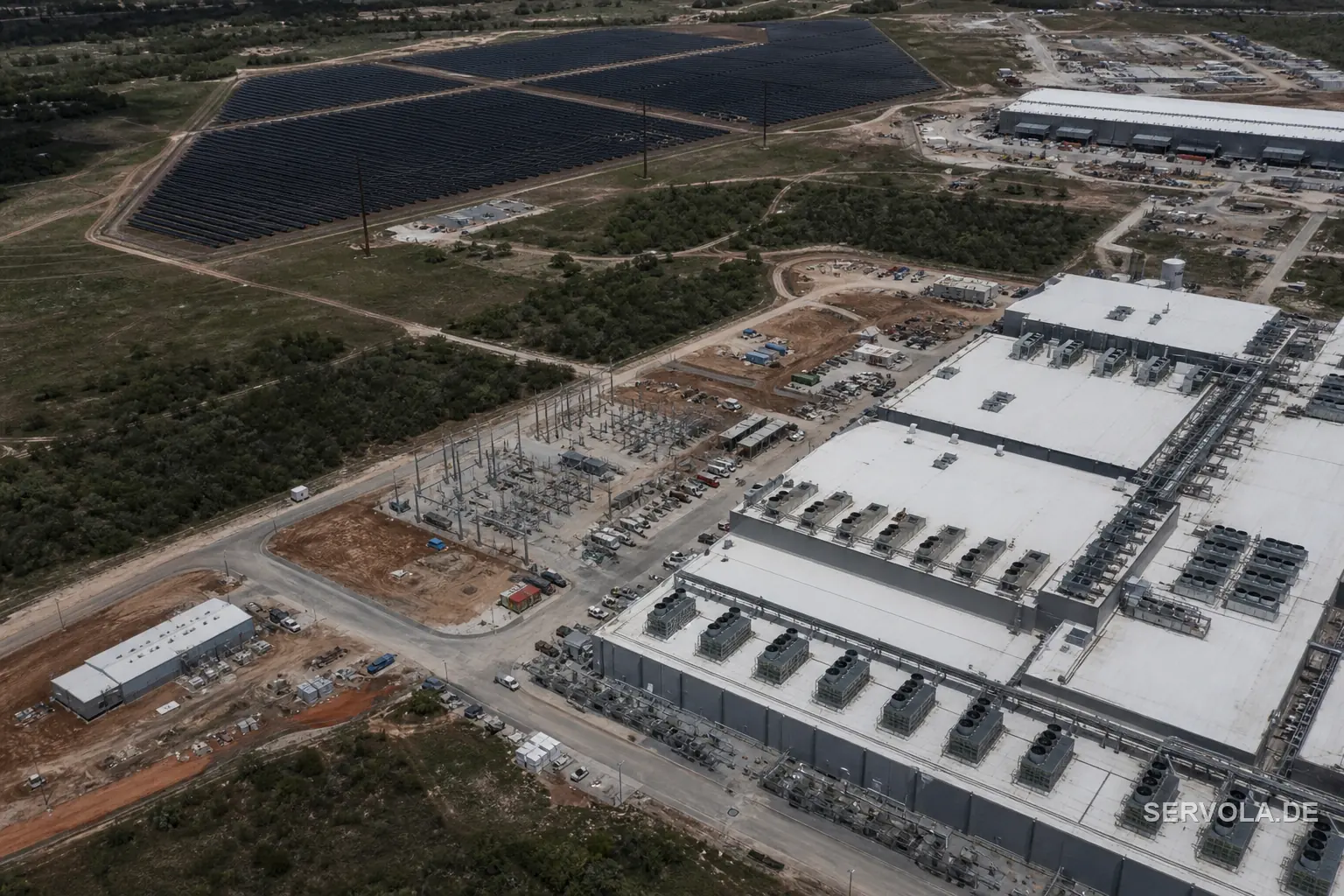
The filing is reported to frame disruptive protests and public outcry against AI companies' activities as a genuine business risk, not a footnote buried among generic regulatory boilerplate. The scale of that opposition is not a guess.
| Oppose new AI data centers nearby | 70 percent |
|---|---|
| Strongly opposed | about half |
| In favor | about 25 percent |
The Altman Precedent Behind the Disclosure
The risk Anthropic is naming is not abstract. In April 2026, a man threw a Molotov cocktail at OpenAI chief executive Sam Altman's own home, setting an exterior gate alight before fleeing, then threatened to burn down OpenAI's headquarters less than an hour later; he was arrested and later charged with attempted murder.
Police found on him a document that identified views opposed to AI and to the executives of AI companies, discussing what he called AI's risk to humanity. OpenAI confirmed the attack and said no one was hurt. That incident, alongside the broader wave of local opposition to data-center construction the Gallup numbers capture, is the documented backdrop against which Anthropic's own IPO filing was drafted. Naming this risk is not caution for its own sake; it is disclosure of a pattern that has already turned violent once.
Why SpaceX Told a Different Story
SpaceX's own 2026 IPO filing took a narrower view of comparable exposure: it named product-level risks, including Grok's capacity to generate exploitative imagery, and general regulatory concern, but stopped short of naming public opposition to AI itself as a risk factor. Anthropic is a pure-play AI company for which this backlash is more directly business-critical than it is for SpaceX, whose primary revenue still comes from launch and satellite services.
That difference in business model may be exactly why the omission would be harder for Anthropic to justify to underwriters and regulators than it was for SpaceX. Materiality is the legal standard for what must be disclosed, and a documented seven-in-ten opposition rate, backed by an attempted-murder case tied directly to anti-AI sentiment, is difficult to argue is immaterial to a company whose entire business is AI.
The Decision Underneath the Disclosure
The decision Krishna Rao's team made is not really about honesty for its own sake; it is about which failure mode Anthropic would rather manage: a bruising disclosure now, or a shareholder lawsuit later arguing a known, material risk was left out of the document that priced the stock.
Leaders raising money or pitching a board face the same choice on a smaller scale every time: the temptation to under-disclose a known risk to protect a valuation is short-term thinking, because the risk does not disappear when it goes unnamed, it just resurfaces later at a worse moment and with less credibility attached to whoever left it out. The leaders who fare worst are usually the ones an investor or a board discovers the omitted risk from directly, after the money is already spent. Naming your own bear case in the document that sets your price is unusually blunt, and it is also the version of this decision that tends to age best.
Read next: Anthropic's $30 Trillion Pitch Meets Your Contract | Europe's Pension Funds May Buy a Circular AI Bet