What the two companies actually signed
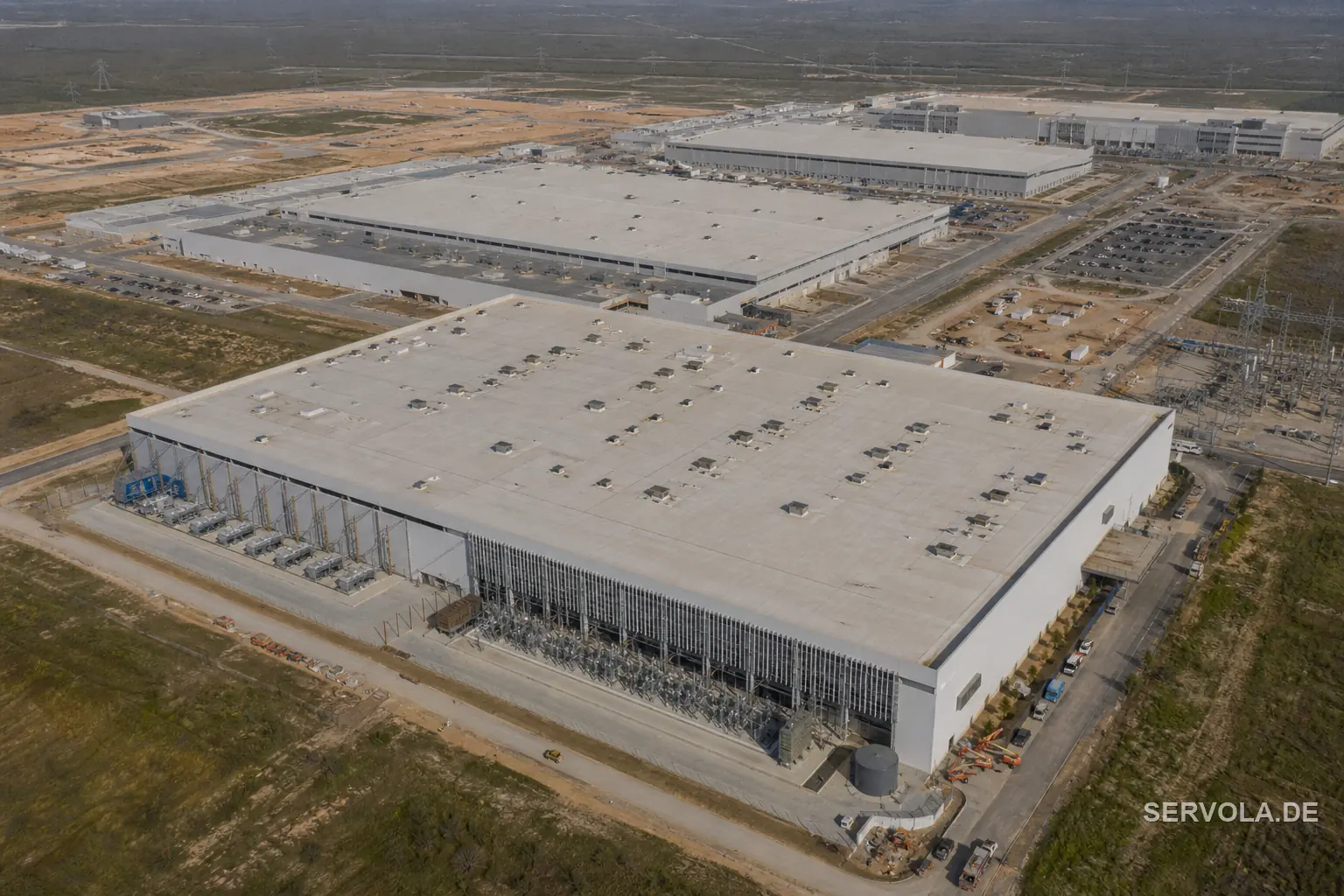
On 22 July, AMD and Anthropic announced a partnership that puts up to 2 gigawatts of AMD Instinct MI450 Series accelerators into Anthropic's hands, deployed both in the lab's own facilities and through third-party cloud providers. Alongside the chip commitment, AMD said it would invest up to $5 billion in Anthropic as equity, released against deployment milestones rather than paid as a lump sum. It is the first time AMD has taken a stake in an AI company.
The hardware is not a pilot. Anthropic already runs AMD's current-generation MI355X accelerators in production, and the new deal moves it to the MI450 generation inside AMD's Helios rack-scale systems, which pair the MI455X GPU with EPYC server processors and Pensando networking. The first gigawatt is scheduled to come online in the first half of 2027. That date is the whole story for anyone who depends on Claude.
The relief is real, and it is dated 2027
Anthropic did not sign this deal from a position of comfort. Demand for Claude has run so far ahead of supply that the company has been rate-limiting usage, and some customers have hit outright outages. A 2-gigawatt supply agreement is the answer to that squeeze, and it is a large one. The catch is in the calendar: the first gigawatt is a 2027 event, and the full two gigawatts land later still.
For an operator, that gap between the announcement and the delivery is the part to plan around. The capacity that would ease your rate limits does not exist yet, and will not for roughly eighteen months. A team in Munich or Manchester budgeting Claude into a 2026 product roadmap should assume this year's scarcity is the baseline, not a temporary glitch that a press release just resolved. The fix is coming; it is not here.
A chipmaker is now funding its own customer
Look at the shape of the money and a pattern appears. AMD is not just selling chips to Anthropic; it is buying a piece of Anthropic, and Anthropic is spending on AMD chips. Nvidia did the same thing on a larger scale with OpenAI, and OpenAI in turn holds warrants over AMD stock from an earlier supply deal. The suppliers meant to compete for your business are increasingly invested in each other's customers.
This matters because the case for a second high-end GPU supplier rests on arm's-length rivalry: two vendors competing on price and availability drive your inference bill down. When the chipmaker owns equity in the lab, and the lab owns paper in the chipmaker, that rivalry softens at the edges. The competition is real, but it is entangled, and entangled competition discounts less aggressively than the clean version the headlines imply.
What a second silicon source does to your bill
The genuinely good news sits underneath the financing. For two years the entire frontier has run on Nvidia, and a single supplier with no serious rival sets the price of compute, which sets the floor under what you pay to run a model. A frontier lab committing 2 gigawatts to AMD silicon, in production rather than in a lab, is the strongest signal yet that the monopoly is cracking. A credible second source is how compute costs eventually come down.
The word doing the work, though, is eventually. This supply is a 2027 arrival, the volumes are a fraction of Nvidia's installed base, and the cross-investment blunts the price pressure. So the correct read for a European operator is directional, not immediate: the structural case for cheaper inference is strengthening, but nothing about your 2026 costs changes because of this announcement. Treat it as a reason for optimism on next year's contracts, not this year's.
What to do before the first gigawatt lands
Plan for Claude scarcity to persist through 2026. If your product or internal workflow leans on Claude, reserve the capacity you depend on in writing, with committed rate limits and pricing for the term, rather than assuming headroom will appear on demand. Ask Anthropic or your reseller directly what your throughput guarantee is while the supply is tight, and get the answer before a launch, not during one.
Then keep a second model qualified and ready. The single most useful hedge against one vendor's capacity crunch is a tested fallback you can route to, so a rate limit becomes a degraded mode rather than an outage. This deal confirms that even a lab valued in the hundreds of billions is supply-constrained until 2027; an owner who plans as if that constraint is real will spend the next eighteen months in a much stronger position than one waiting for the chips to arrive.
Read next: AMD Pays $8.2B for a Lab Nvidia Also Backed | Claude's 'New' Enzyme Was Already Known, Experts Say