Apple moved from the phone to the dashboard
Eddy Cue kept the sentence simple. "With our new MapKit for Automotive SDK, we are bringing Maps further into drivers' daily lives," Apple's services chief said on July 23, as the company and Ford announced that Apple Maps will power navigation in Ford's coming Universal Electric Vehicle Platform. Ford chief executive Jim Farley called his company "honored to be among the first to embed it directly in a vehicle."
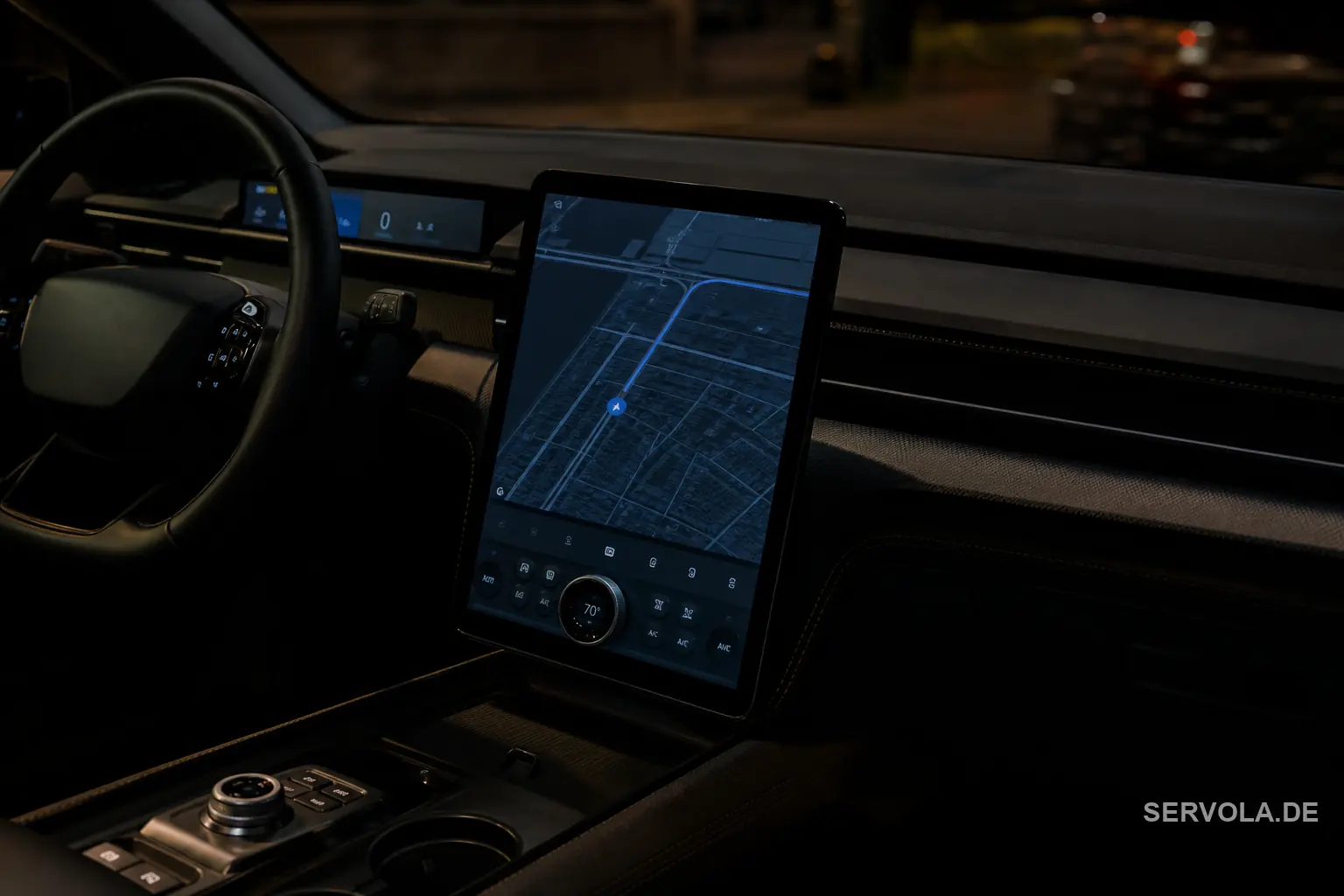
The wording matters more than the partnership. For a decade Apple's presence in cars meant CarPlay, which mirrors an iPhone onto the dashboard screen and vanishes when you unplug. What Apple announced here is different: a way for the car itself to run Apple Maps on its own built-in displays, phone or no phone. Apple did not just win a customer; it shipped a product category it did not sell before.
Why this is not CarPlay
CarPlay and MapKit for Automotive answer two different questions. CarPlay asks how your phone appears on the car's screen; the new SDK asks who supplies the car's own navigation software. Ford confirmed CarPlay stays available for drivers who want it, which underlines the split - the embedded map and the projected phone are now separate layers, and Apple wants to own both.
That distinction is the whole story. An embedded map is always on, works for drivers who use Android phones, and becomes part of the vehicle's core software rather than a guest on it. It also means the automaker builds a dependency on Apple's mapping, traffic and place data at the level of the car's operating system - a far deeper commitment than letting customers plug in a phone.
The choice of a $30,000 Ford is the strategy
Apple could have launched this on a high-end car. Instead the first vehicle is a midsize Ford electric model priced around 30,000 dollars, positioned as attainable rather than premium. That is a deliberate signal. A luxury debut would have made in-car Apple Maps a badge; a mass-market debut aims to make it the default that ordinary buyers simply find already installed.
The EV framing carries real function, not just price. Ford says the system handles intelligent EV routing with battery preconditioning - warming or cooling the battery ahead of a charging stop so it charges faster - and that the same road-level map data will help Ford's Latitude AI team extend its hands-free BlueCruise driving. The map is no longer only for the human at the wheel; it is infrastructure for the car's own automation.
Google has held this ground, and Europe is the battleground
Apple is not entering an empty field. Google's Android Automotive already puts built-in Google Maps at the center of the dashboard in cars from Renault, Volvo, Polestar and General Motors, running as the vehicle's native system rather than a phone projection. MapKit for Automotive is Apple's answer to exactly that, and it turns the in-car map into a two-horse platform race for the screen most drivers look at most.
For European automakers the decision is now sharper. Choosing an embedded map means choosing a platform partner for years, with implications for updates, data flows and who owns the driver relationship. A carmaker in Wolfsburg, Gothenburg or Paris weighing Android Automotive against an Apple-supplied stack is making a strategic call, not a features comparison - and Apple just gave that decision a credible second option.
The data question sitting under the map
Navigation is never only navigation; it is a continuous record of where a car and its driver go. Apple built its pitch around that fact, stating that location data handled through MapKit for Automotive cannot be tied back to an individual user. Set against Google, whose business is built on knowing users, that privacy framing is not incidental - it is the wedge Apple is using to win automakers, especially where data rules are strict.
In Europe, where the GDPR and growing scrutiny of connected-car data make location a sensitive asset, that promise carries weight for fleet operators and public-sector buyers as much as for individuals. The practical takeaway for anyone choosing a vehicle or a fleet in the next two years is to read the map layer as a data decision, not a convenience: whoever supplies the navigation also shapes what the car knows about its journeys, and on what terms.
Read next: Apple's New Mac Costs More If You're Not American | Meta Dodged the Memory Hike That Just Cost Apple $200