Two Announcements, Same Calendar Date, Fifteen Years Apart
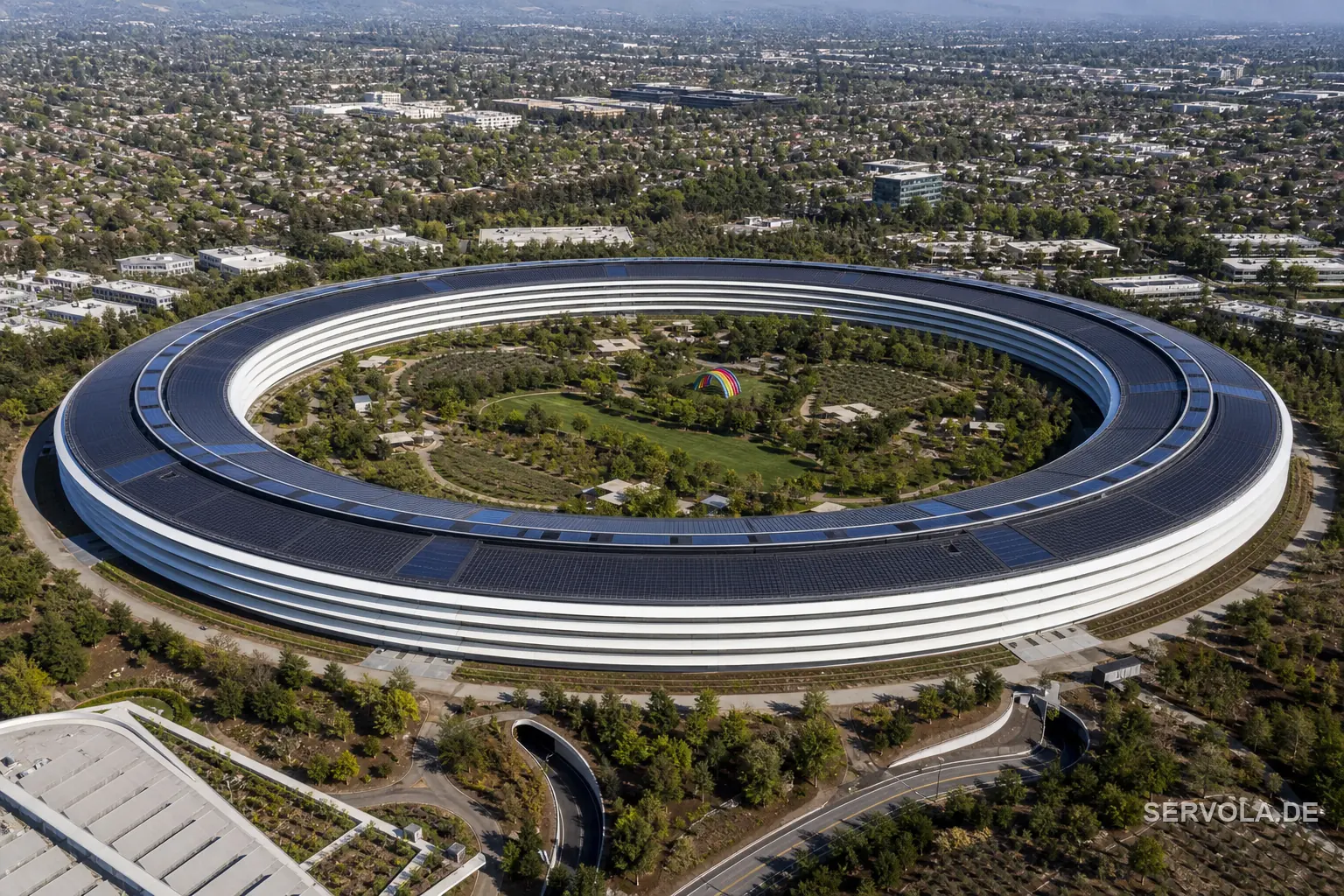
On August 24, 2026, roughly two hundred Apple employees gathered in the Caffe Macs cafeteria on the company's Cupertino campus to send off Tim Cook. Laurene Powell Jobs was there, alongside outgoing chief operating officer Jeff Williams, services chief Eddy Cue, and the man taking Cook's job on September 1: John Ternus, Apple's hardware engineering chief since 2021.
Fifteen years earlier, on the same calendar date, a very different Apple sent a very different message. On August 24, 2011, Steve Jobs resigned as chief executive for health reasons and named Cook his successor, effective immediately. Apple's stock fell more than 6 percent in after-hours trading that evening, wiping out close to 20 billion dollars in market value in a matter of hours.
Why One Company Produced Two Different Numbers
When Apple announced the Cook-to-Ternus handover on April 20, 2026, it triggered no such panic. Shares closed that day at 273.05 dollars and drifted only about 1 percent lower after hours, a move Wedbush analyst Dan Ives called "big shoes to fill" but ultimately management-friendly. DeepWater Asset Management's Gene Munster went further, arguing Ternus could eventually help "supercharge" the stock rather than threaten it.
Run the two numbers side by side and the gap is roughly twelve to one: a company that lost more than 6 percent of its value in hours in 2011 lost well under 1 percent in 2026. Nothing about Ternus's twenty-five years at Apple explains that gap on its own; what changed was the process around the announcement, not the announcement's content. UK-listed companies face the same immediate-disclosure logic under the UK's onshored Market Abuse Regulation, enforced by the Financial Conduct Authority.
Where Microsoft's 2014 Transition Fits the Pattern
Apple is not the only trillion-dollar technology company to run this experiment. Microsoft's board named Satya Nadella chief executive on February 4, 2014, after publicly opening a succession search the previous August under outgoing CEO Steve Ballmer. No comparable sell-off followed; investors had roughly six months to price in the change before it happened.
| Company | Transition | Advance notice given | Announcement-day stock move |
|---|---|---|---|
| Apple | Jobs to Cook, 2011 | None (immediate, health-driven) | Fell more than 6 percent after hours |
| Microsoft | Ballmer to Nadella, 2014 | About 6 months (search announced August 2013) | No reported announcement-day sell-off |
| Apple | Cook to Ternus, 2026 | About 4 months (announced April, effective September) | Fell roughly 0.5 to 1 percent |
The pattern holds across both companies: the transition with zero notice produced the only real shock. The two transitions with a public runway, whether four months or six, produced barely a ripple.
The Decision Lesson Beyond Apple
The mechanism generalizes past big tech. Any owner planning a leadership handoff, whether the business is worth a trillion dollars or is a single small company changing hands, is pricing in the same variable: surprise, not competence. A rehearsed, dated, publicly visible succession compresses the uncertainty premium by an order of magnitude regardless of who the successor turns out to be.
Ternus spent four months as the known, named, already-operating successor before his first day as CEO. That visibility, not his hardware engineering resume, is most of what the twelve-to-one gap actually measures. A business that wants its own transition to look like 2026 rather than 2011 has to buy that runway on purpose, months before the handover, not discover its value by accident afterward.
Read next: Apple's Own Success Blew Up Its Supply Plan | Siri AI Got a Price Before It Got an EU Date