Two Messages, One Week
Apple's own executives were praising Vision Pro in public at almost the exact moment reporting said the project's successor was quietly dying inside the company. Apple hardware engineering chief John Ternus told press the device is an amazing product, still in the early days of a long journey, and pointed to surgeons using it in operating rooms as proof of momentum. That was the public message.
The private one, reported separately, was that N224, Apple's internal name for the next Vision headset, is on life support, one layer removed from the CEO after a leadership reshuffle, and might not ship at all. If it does, a realistic release window is closer to 2029 than to next year.
What Meta Just Shipped First
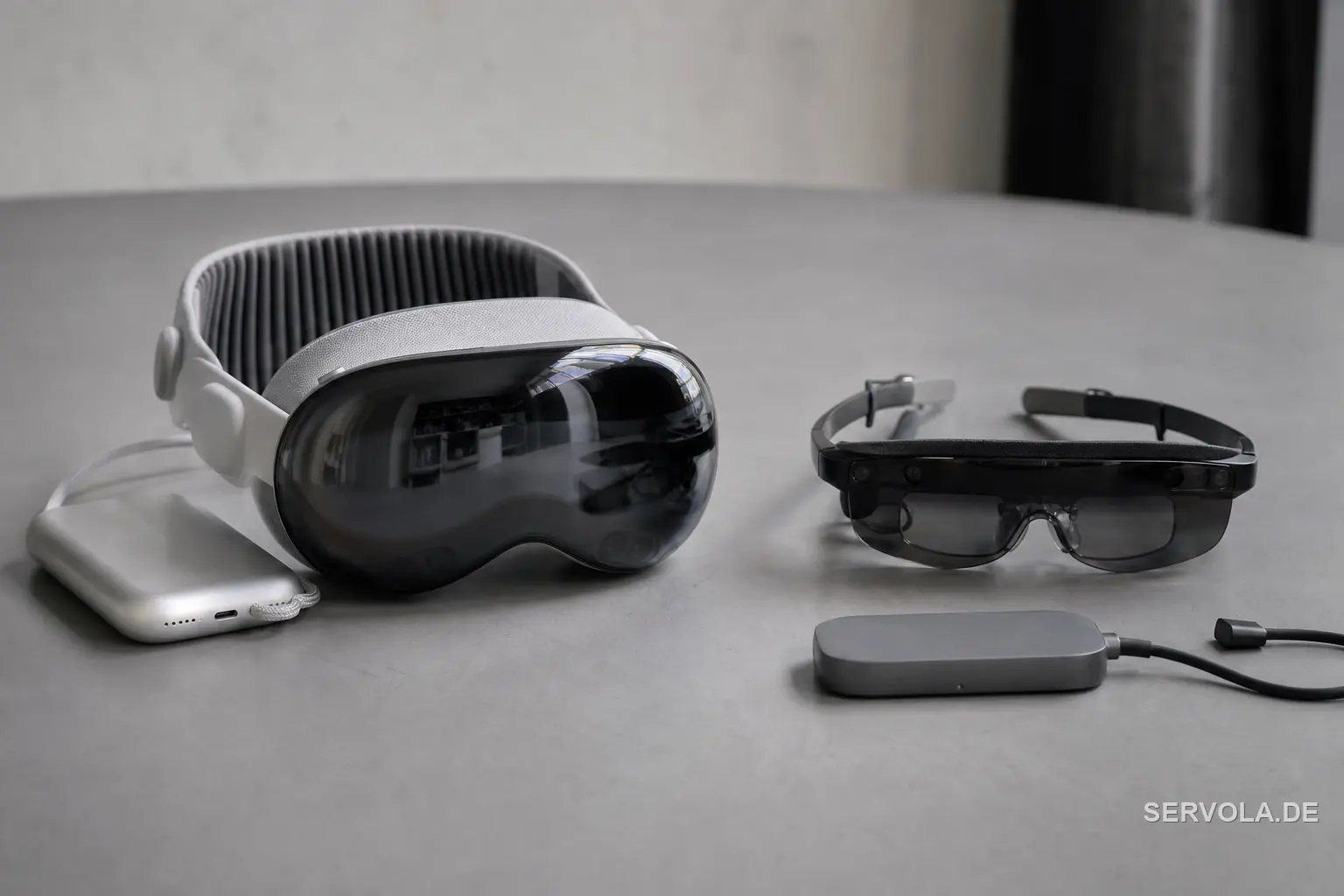
The timing is not a coincidence. At Connect 2026, Meta unveiled VR Glasses, a headset priced at 1,300 dollars that moves the processor, battery and cooling fan into a separate puck, cutting the weight on your face to about 100 grams, roughly five times lighter than Meta's own Quest 3. Apple's Vision Pro, by contrast, packs all of its computing into the headset itself, which is a large part of why it feels heavy after twenty minutes of use.
Meta's approach is the one Apple's own N224 team has reportedly been debating internally, unresolved, while Meta simply built it and put it on sale for spring 2027.
Why a Praised Product Gets a Stalled Sequel
This is not really a story about Vision Pro failing. It sold, it found real users among surgeons and specialists, and Apple's own leadership still defends it. The story is what happens to the sequel of a category-defining but commercially narrow product once a competitor undercuts its core weakness at a comparable price. Apple does not need to admit Vision Pro was wrong to quietly slow-walk what comes next; it only needs a rival that makes the current design look outdated before the follow-up is locked in.
Reporting that Apple is now leaning toward smart glasses over another heavy headset supports that reading: rather than out-engineer Meta's lighter form factor on Apple's own original design, Apple appears to be resetting toward a different product entirely.
The Pattern Worth Watching
When a company's public statements about a product stay confident while its internal reporting on the follow-up turns vague or delayed, that gap is usually more informative than either statement alone. Vision Pro is not being discontinued and nobody at Apple is saying it failed. What is happening is quieter: the certainty that shipped the first device is not shipping the second one on the original plan, and a competitor's cheaper, lighter answer is the reason why.
For anyone buying, building for, or investing around either platform, the useful signal is not the headline price or spec sheet. It is which company is still willing to commit to a hardware form factor in public, and which one is reportedly still arguing about it in private.
Read next: Meta Built a Camera-Free Exit From Its Privacy Mess | Apple Just Priced the Budget Mac Out of Existence