What ASUS and XREAL shipped
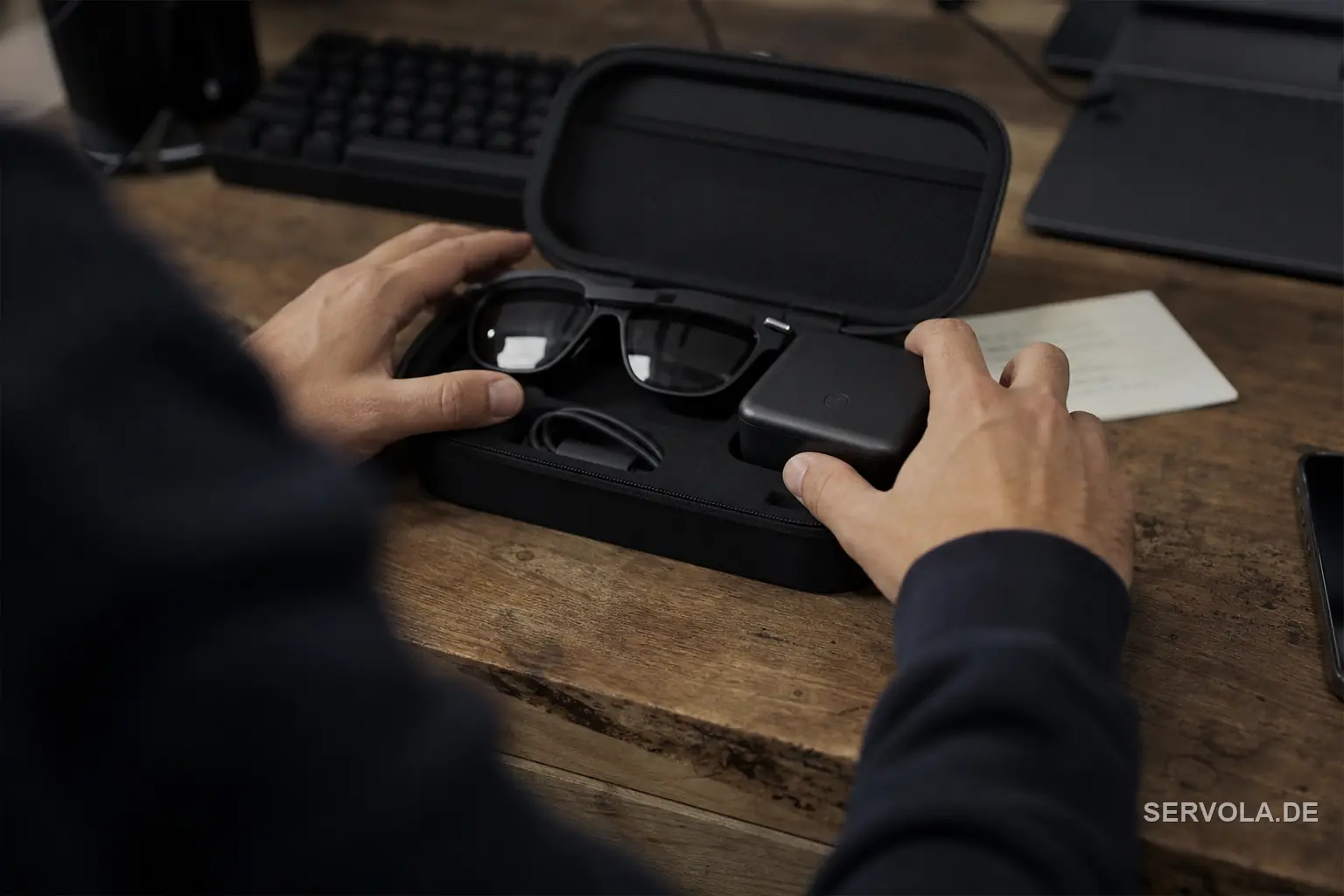
ASUS ROG and XREAL launched the ROG XREAL R1, augmented-reality gaming glasses that opened for pre-order on XREAL's own storefront on May 17, 2026 and ship from mid-July. The price is 849 dollars, 849 euros, or 749 pounds, and the box includes the ROG Control Dock. That is a monitor price, not a headset price, and it frames how you should read the product.
The specs that matter are practical ones. Two 1920x1080 Micro-OLED displays run at up to 240Hz across a 57-degree field of view, the frame weighs 91 grams, Bose handles audio, and the panel response time is 0.01ms. You get a virtual screen up to 171 inches, and the glasses plug straight into a PC, an Xbox, or a PlayStation.
The peripheral bet, not the computer bet
Here is the structural fact that changes everything: the R1 has no onboard computer. It is a display you plug into hardware you already own, not a standalone spatial computer. AR glasses stopped trying to be the computer and became the screen.
That is the opposite bet to the standalone spatial computer, the Vision Pro path, which stalled on price and weight. A face-worn workstation asks the buyer to replace what they own and to carry a heavy, expensive device. A display priced like a monitor asks for almost nothing, and that is why it actually reaches consumers.
The operator read
For an owner, the interesting use case is not gaming. It is glasses-as-second-screen for mobile, field, and travel workers, deployed and priced like a monitor rather than a workstation. A technician in a warehouse or a manager living out of airports gets a large private display without a large private budget.
Before you buy in, watch three things: host-device dependence, since the glasses do nothing without a PC or console; comfort over a full working day; and real task fit, because a giant screen only helps work that a screen actually improves. Watch the peripheral model, not the metaverse.
Read next: Meta Built a Camera-Free Exit From Its Privacy Mess | Homey Portal Offers a Self-Hosted Smart-Home Path