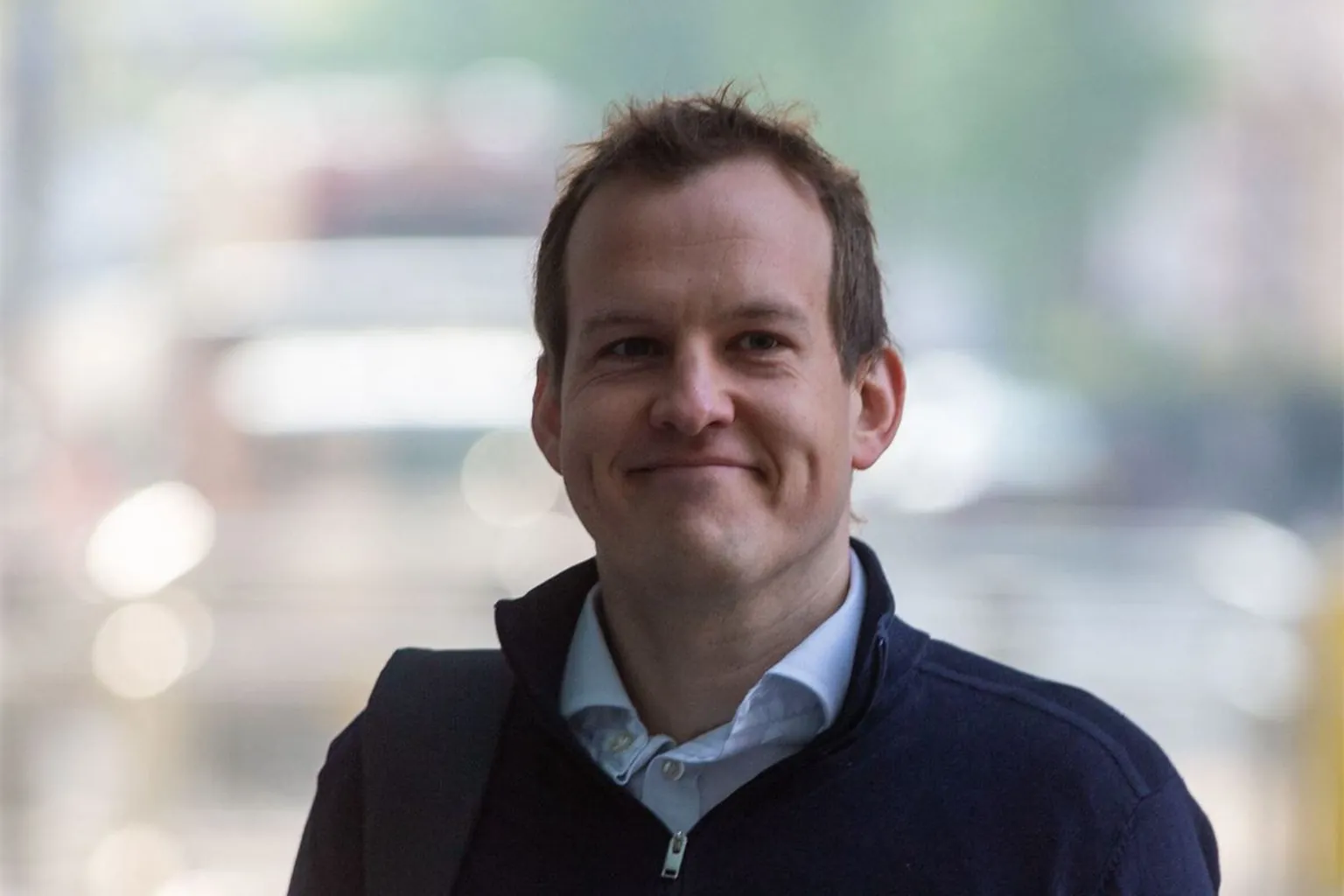
Six Days From Announcement To Resignation
Matt Clifford told the UK's Advanced Research and Invention Agency on September 2, 2026 that he was taking a new job as Anthropic's managing director for international affairs, the role that will have him lead the AI lab's government relations everywhere outside North America. He said at the time that he intended to keep chairing ARIA alongside it.
That plan lasted less than a week. On September 7, Clifford announced he would step down as ARIA's chair, telling staff the Anthropic role should not become "a distraction from ARIA's incredible work." House of Commons science committee chair Chi Onwurah had by then already stated publicly that a taxpayer-funded agency investing in AI-adjacent research being chaired by an executive of one of the field's best-funded labs was a conflict that needed addressing, not managing.
The Two-Month Gap Nobody Is Calling A Problem
Clifford does not leave immediately. He remains ARIA's chair until November 6, 2026, at the request of business and science secretary Jonathan Reynolds, while the department runs a selection process for a successor "with appropriate safeguards against potential conflicts in place." For two months, the same acknowledged conflict that forced his resignation continues to sit inside the agency he is resigning from.
That gap is the part of the story that matters beyond Clifford himself. ARIA was not caught by an internal governance check before the Anthropic job went public; it was caught by a parliamentary committee chair after the fact, and the fix on offer is a promise of "safeguards" for the next chair rather than an immediate handover. Any organization bidding into ARIA-funded programs, or watching how the EU AI Office and national funding bodies structure their own advisory boards, is looking at the live version of a problem every state AI-funding body will eventually face: the same small pool of people qualified to judge frontier AI research is also the pool frontier labs are hiring from, and the conflicts process that catches it is currently reactive, not built in.
Read next: White House Says AI Incident Reports Are Not Optional | Anthropic's 12 November Policy: Four Clauses to Audit