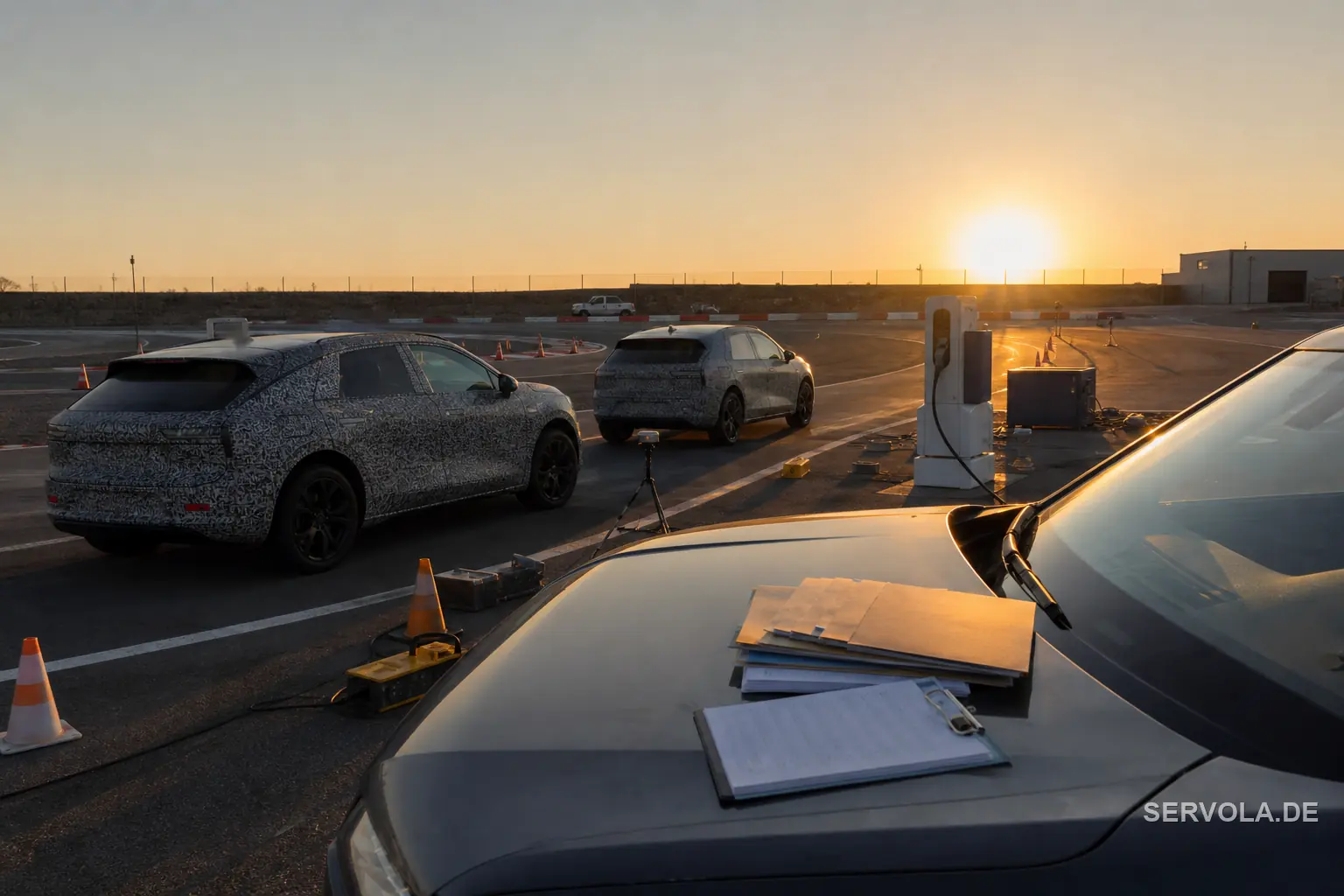
EUR 38,200: Audi's Number for the Return of the A2
EUR 38,200 is the starting price Audi has set for the A2 e-tron, detailed in pricing and specification updates between 4 and 6 August 2026, with the full public unveil scheduled for autumn 2026 and production based in Ingolstadt, Germany. The number matters less on its own than where Audi chose to place it: squarely inside the sub-EUR-40,000 bracket where Volkswagen's ID.Polo and Renault's Twingo E-Tech are both aiming, at almost exactly the same moment.
The A2 name is not incidental. Audi is reviving the badge from its 1999-2005 cult hatchback, a car remembered for aluminium construction and genuinely efficient engineering well ahead of its time, and betting that nostalgia branding plus a real price point beneath Tesla and the arriving Chinese entrants, including BYD, will pull buyers who have been waiting for an affordable European alternative rather than an imported one.
The Numbers Under the Hood
The A2 e-tron ships with a 61 kWh LFP battery, 58 kWh of it usable, across three power output variants: 188, 228 and 322 hp. The top trim reaches up to 649 km of WLTP-rated range, and the whole car is shaped to a drag coefficient of 0.24, a genuinely low figure that reduces energy consumption at motorway speeds rather than just looking efficient on a spec sheet.
DC fast charging takes roughly 26 to 60 minutes to go from 10 to 80 percent, depending on the variant and battery configuration, which is competitive for the segment rather than class-leading. The car also includes V2L and V2H bidirectional charging, meaning the battery can power external equipment or, in a V2H setup, help run a building during an outage or a peak-tariff period, a capability still rare below the EUR 40,000 mark.
LFP, Presented Without Apology
Audi's choice of lithium iron phosphate chemistry for the A2 e-tron's battery is worth reading as a signal, not a footnote. LFP cells are cheaper to produce and more durable over repeated charge cycles than the nickel manganese cobalt chemistry Audi uses in its premium models, but they have historically been framed by German manufacturers as a compromise reserved for entry-level or Chinese-market cars.
Here, Audi is presenting LFP as the sensible engineering choice for a genuinely affordable EV, not as an inferior substitute. That framing is itself useful information for a fleet buyer: watch which chemistry a manufacturer specifies at which price point, because it signals how seriously that brand is treating the sub-EUR-40,000 segment as a real product line rather than a loss-leading marketing exercise.
A Price War With Three Credible Combatants
The A2 e-tron is arriving within the same window as Volkswagen's ID.Polo and Renault's Twingo E-Tech, all targeting a similar sub-EUR-40,000 price band from established European manufacturers, and all positioned against Tesla's cheaper offerings and Chinese entrants such as BYD pushing into the same price bracket from the other direction. That is a genuine, multi-front price war forming in affordable EVs, not a single manufacturer testing the water.
For a European business running a vehicle fleet, or an individual weighing a personal or company EV purchase, three credible domestic options converging within months of each other is the signal to wait rather than commit. A purchase made today locks in terms against a market that is about to get considerably more competitive on price, range and charging speed within the same calendar year.
What to Watch Before Autumn
The full public unveil is scheduled for autumn 2026, and several details, exact trim-level pricing beyond the EUR 38,200 base, warranty terms on the LFP pack, and final V2H hardware requirements, are still to be confirmed. None of that changes the strategic picture: Audi has committed to a real number, a real range figure, and a real chemistry choice well ahead of the unveil, which is unusual candour for a segment normally kept vague until launch day.
The practical takeaway for an owner is to treat the next few months as a comparison-gathering window rather than a decision point. VW and Renault's final specifications, plus Audi's own trim-level pricing above the base configuration, will determine which of the three actually offers the best total cost of ownership, and that comparison simply is not possible yet.
Read next: The UK Funded a Battery Champion Built in South Korea | BYD's Denza Prices an EV Like a Porsche