Who wrote the cheque
Read the names on the announcement and the story changes. Blackstone Credit and Insurance led the investment. Alongside it: insurance vehicles and accounts managed by Apollo and by KKR. This is not growth equity chasing a multiple on an AI story. It is the capital that stands behind life insurance policies and annuities, and it has one defining requirement, which is a predictable, contracted, long-dated stream of payments.
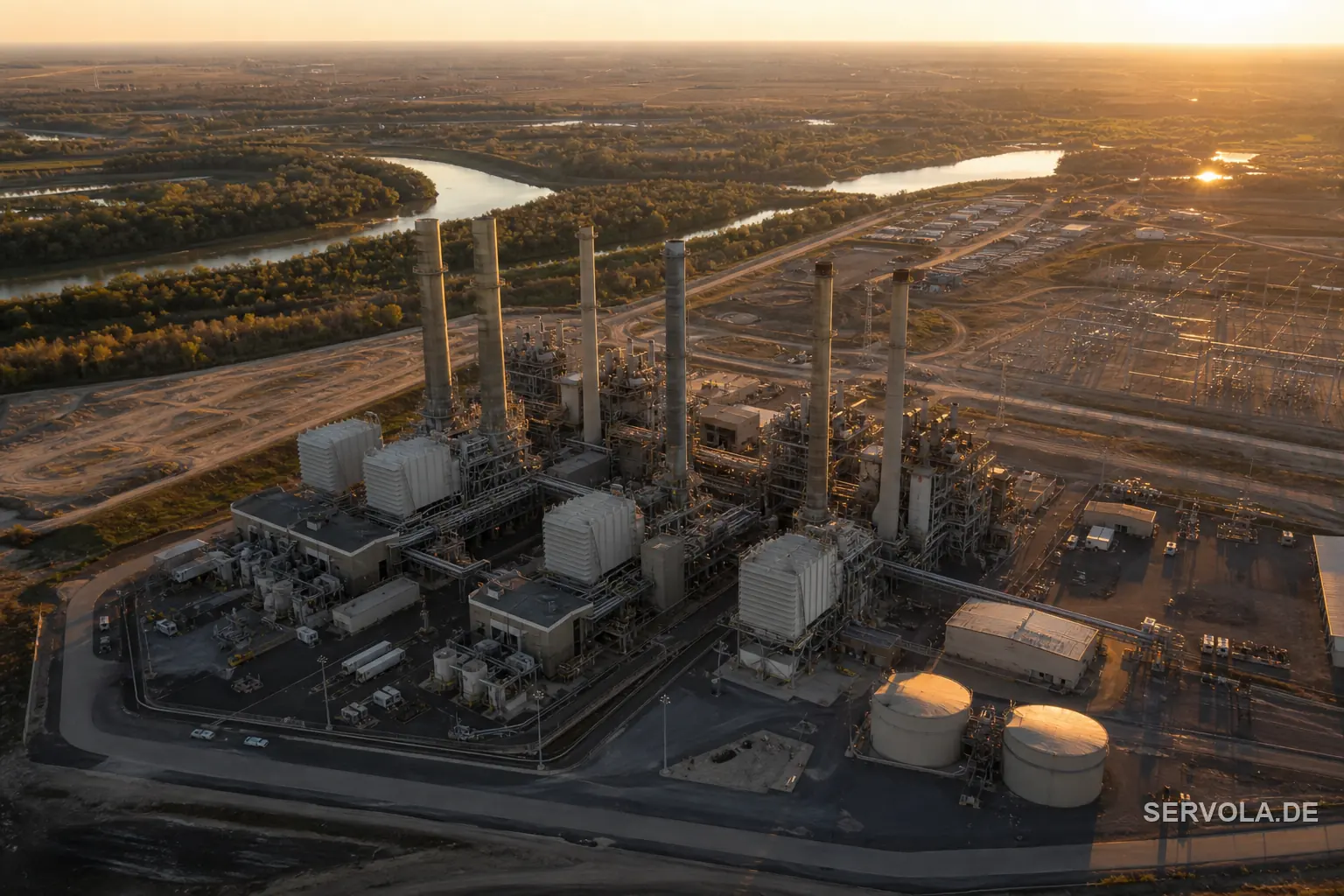
What it bought, on 13 July 2026, is 49 percent of a joint venture holding five power projects owned by Williams Companies: Socrates, Apollo, Aquila, Socrates the Younger and Neo. The total is $5.34 billion, roughly 4.9 billion euros, of which $4.4 billion is growth capital and around $0.9 billion is additional consideration. Williams retains 51 percent and, importantly, commercial and operational control. The stake is non-controlling. The structure includes a buyout option, valued at Blackstone's outstanding investment balance, exercisable between years seven and fourteen.
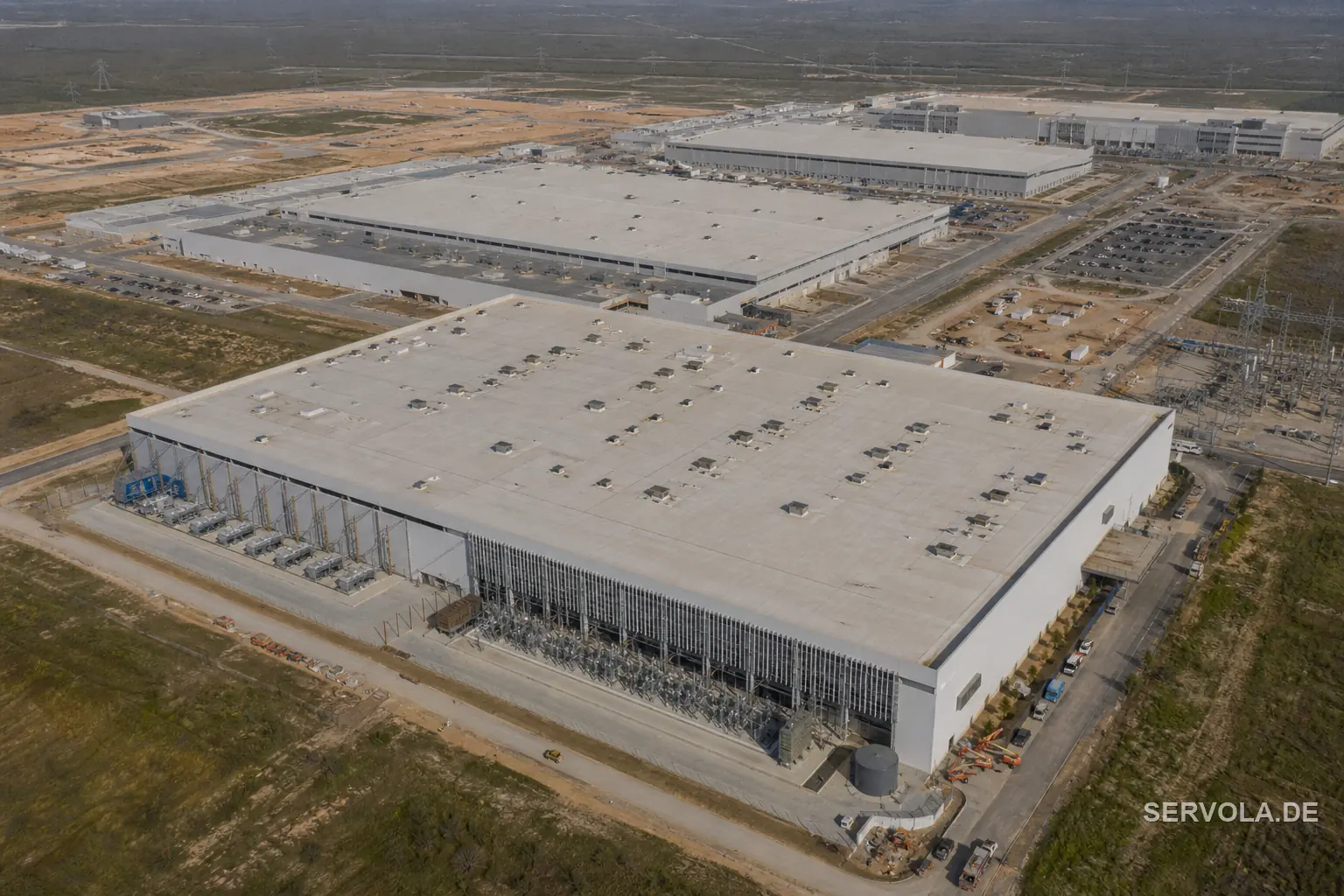
These are not merchant plants selling into a market. They are dedicated generation built to serve large loads directly, which in 2026 means data centres. Williams describes a backlog of more than 6 gigawatts, of which 2.6 gigawatts is announced.
What a required yield does to your compute bill
Here is the part that does not appear in any coverage of this deal, and it is the reason an operator should care about a Tulsa pipeline company's joint venture.
When insurance money funds a power plant, the plant must produce a contracted return over decades. That return is not a hope about future demand. It is an obligation, matched against liabilities that an insurer owes to policyholders, and it is why the structure has a defined buyout window rather than an exit into a hot market. The consequence is that the electricity flowing into that data centre now has a fixed cost of capital attached to it for the life of the contract.
Now trace it forward to what you actually buy. The price of an hour of AI compute is roughly the cost of the chip, amortised, plus the cost of the power to run it, plus the operator's margin. Everyone in the industry is betting the first term falls, and it probably will: competition in accelerators is real, and the second-source pressure on Nvidia is now visible in silicon. But the second term has just been contractually fixed by people who do not accept variability. Cheaper chips will not reduce a power payment that was underwritten to yield.
That is a floor. It means the widely held assumption that inference gets structurally cheaper forever needs an asterisk: it gets cheaper until it hits the cost of the electricity, and the electricity has now been financed by counterparties who are paid to make sure that number does not move.
Bring your own power is becoming the price of a large load
Why does a hyperscale operator build its own plant rather than plug into the grid? Because the grid has a queue, and the queue has a date on it that nobody likes. That is the thread connecting this deal to everything happening in Europe right now: connection dates measured in years, transmission that has not been built, and system operators who cannot promise capacity to a 500 megawatt load on the timeline the load requires.
Dedicated generation is the workaround, and the workaround is being institutionalised. When Blackstone, Apollo and KKR put insurance money into five of these projects at once, they are not making a bet on one campus. They are declaring the category financeable at scale, which means the next fifty projects have a template, a comparable, and a source of capital that did not exist for them two years ago.
European operators should read that as a forecast rather than as American news. The same grid constraint exists here in a harder form, because the queues are longer, the permitting is slower, and the political tolerance for a data centre consuming the connection capacity of a small city is lower. The structure that solves it will arrive in Europe with the same logic and the same investors, and it will land into a market where dedicated generation also has to satisfy heat reuse rules, efficiency reporting and local objections. It will be more expensive here, not less.
What this changes for an operator who buys compute
If you buy GPU capacity rather than build it, three things follow.
Treat long-term compute pricing with more scepticism than the vendor roadmap invites. A quotation that assumes falling unit costs across a three-year term is assuming away the component of the cost stack that has just been locked in by people whose job is to lock things in. Ask a provider what proportion of their power is contracted, at what price, and for how long. A provider who cannot answer that is not pricing their own input.
Second, note who your counterparty actually is. A neocloud renting you capacity in a campus financed this way is passing through an obligation, not absorbing it. That is fine, and it is knowable, but it changes what happens to your price if their utilisation falls: the coupon does not fall with it.
Third, if you are siting anything in Europe that needs meaningful power, get the connection conversation started earlier than feels reasonable, and treat the connection date as the project's real critical path. The reason American operators are buying power plants is that they discovered the alternative was waiting. That discovery is arriving here.
The quiet repricing
The AI infrastructure story has been told as a chip story for three years. It is becoming an energy story, and specifically a financing story, which is where the durable costs get set. Chips are a purchase, and purchases get cheaper. Power under a twenty-year contract with an insurance counterparty is a liability, and liabilities do not.
Nobody announced a price increase this week. What happened is more consequential and much less visible: the cost base under the thing you rent by the hour was quietly moved from a market that fluctuates into a contract that does not. Price your next three years accordingly.
Read next: Same AI Coding Pitch, $43 Billion Apart in Price | Ten Banks Financed a Company That Had Launched Eight Days Earlier