A Coalition With No Empty Chair
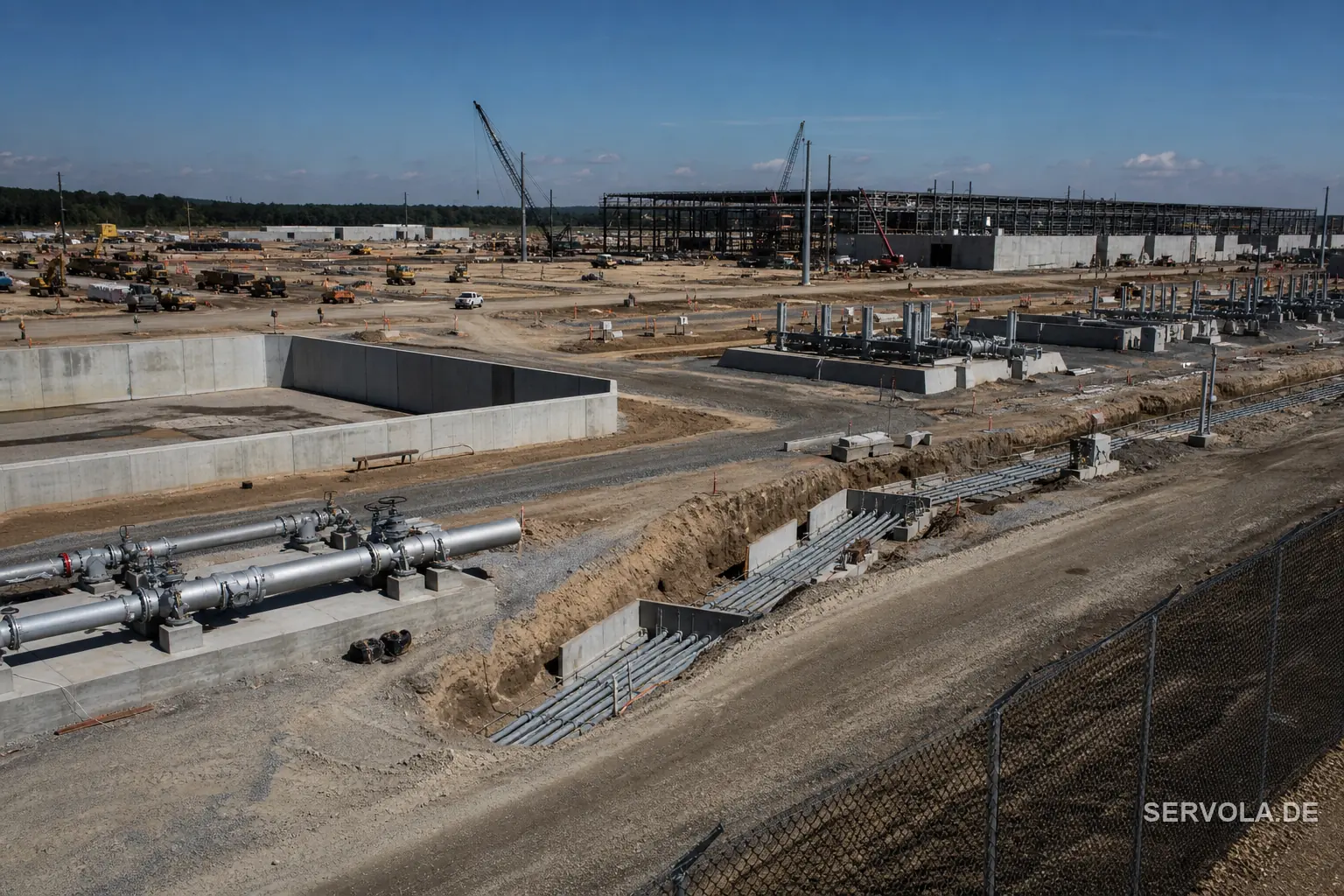
Blackstone, OpenAI, QTS and SoftBank Group have joined with building trades unions, including the International Brotherhood of Electrical Workers, to form the American Infrastructure Alliance. Axios reported the coalition's goal: agree on standards and guardrails for data center construction by 2027, in exchange for local and state officials backing off outright construction bans.
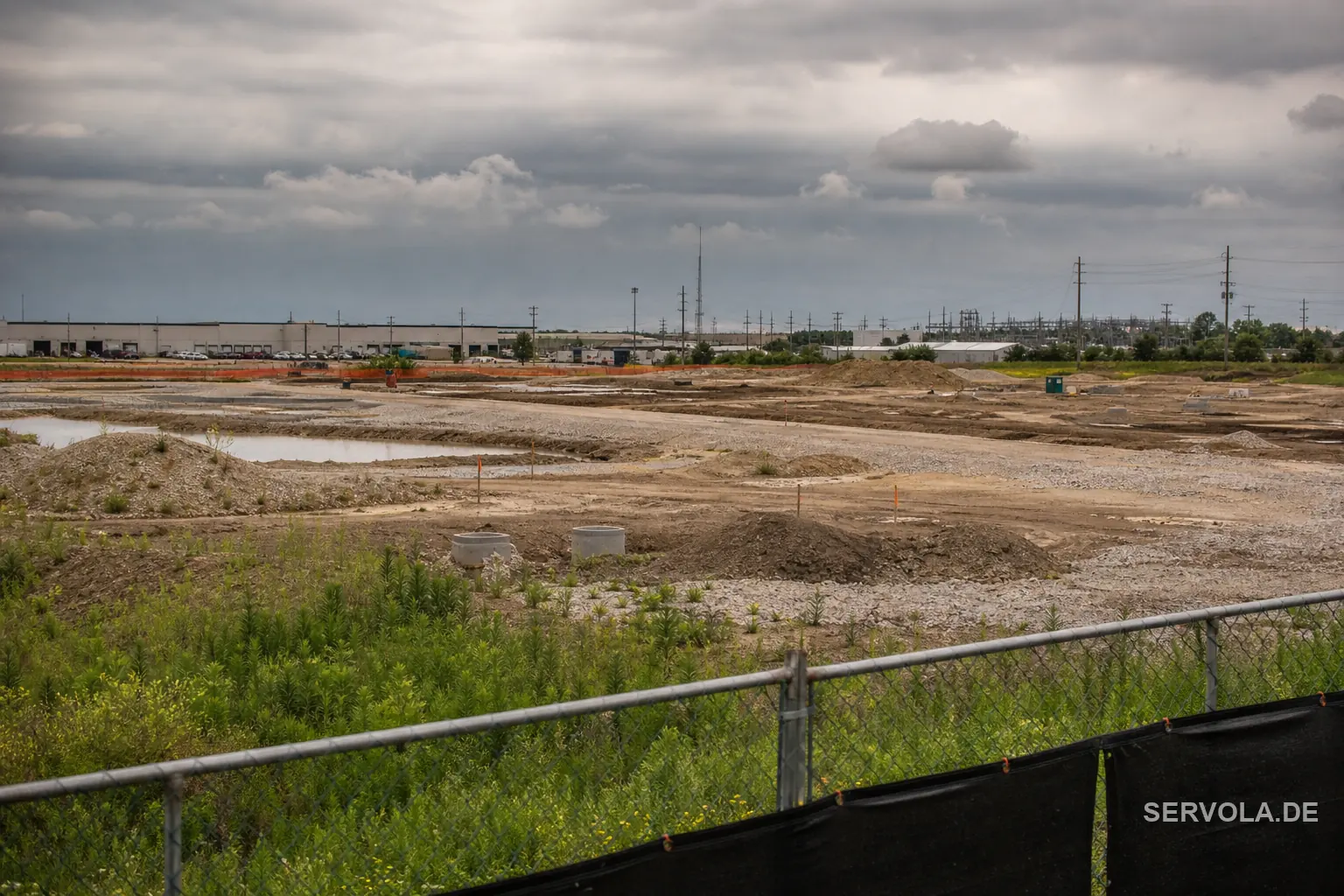
The group's first campaigns target seven states, Texas, Georgia, Ohio, Iowa, Pennsylvania, Indiana and South Carolina, places where data center proposals have already run into local moratoriums or organized resistance over land, water and noise.
Labor Was Already Arguing the Same Case
The IBEW is not a reluctant partner brought along for optics. Its own government affairs office has published a toolkit called No to Data Center Bans, Yes to Labor Standards, arguing that bans eliminate union jobs, tax revenue and long-term development, and pushing instead for project labor agreements, apprenticeship pipelines and responsible-bidder rules.
That alignment did not start with this alliance. IBEW leaders have spent much of 2026 describing data centers as essential to the future of union work, which is why the union's interests and OpenAI's now point in the same direction: more construction, on terms both sides help write.
The Side That Is Not at the Table
When capital and organized labor sit on the same side of a negotiation, the negotiation itself changes shape. Instead of a fight over wages and conditions, it becomes a joint campaign aimed outward, at local residents, environmental groups and city councils who wanted a say in whether a data center gets built near them at all, not just how well its construction workers are paid.
For European and UK observers, the model is worth watching before it is worth copying. The same tension between data center growth and local consent is building in Ireland, the Netherlands and Germany. If capital and labor merge into a single lobbying front there too, the open question is who ends up representing the people who actually live next to the substation.
Read next: Ohio Ratepayers Won't Pay for OpenAI's 8GW Campus | A Feared Quantum Bottleneck Just Tested Near Zero