The Round Itself
Castelion announced a $1.05 billion Series C on August 19-20, 2026, split between $800 million in new equity and a $250 million revolving credit facility, at a $13 billion valuation. JPMorganChase Strategic Investment Group, Andreessen Horowitz, and Carlyle co-led the round, according to the company's own release and Carlyle's own announcement of the deal. Lightspeed, Lavrock, Altimeter, General Catalyst, Interlagos, and T. Rowe Price Associates also participated, a mix of growth-equity firms, a private-equity giant, and a mutual-fund manager rarely seen together backing a single defense-hardware company.
The size alone makes this one of the largest venture rounds ever raised by a defense-hardware startup, and the valuation puts Castelion, a company still short of a decade old, in the same bracket as established prime contractors. TechCrunch and PR Newswire both confirmed the terms on August 20, 2026, the day after the initial announcement, with no dispute over the headline figures from any of the parties involved.
Why This Is Production Capital, Not Research Capital
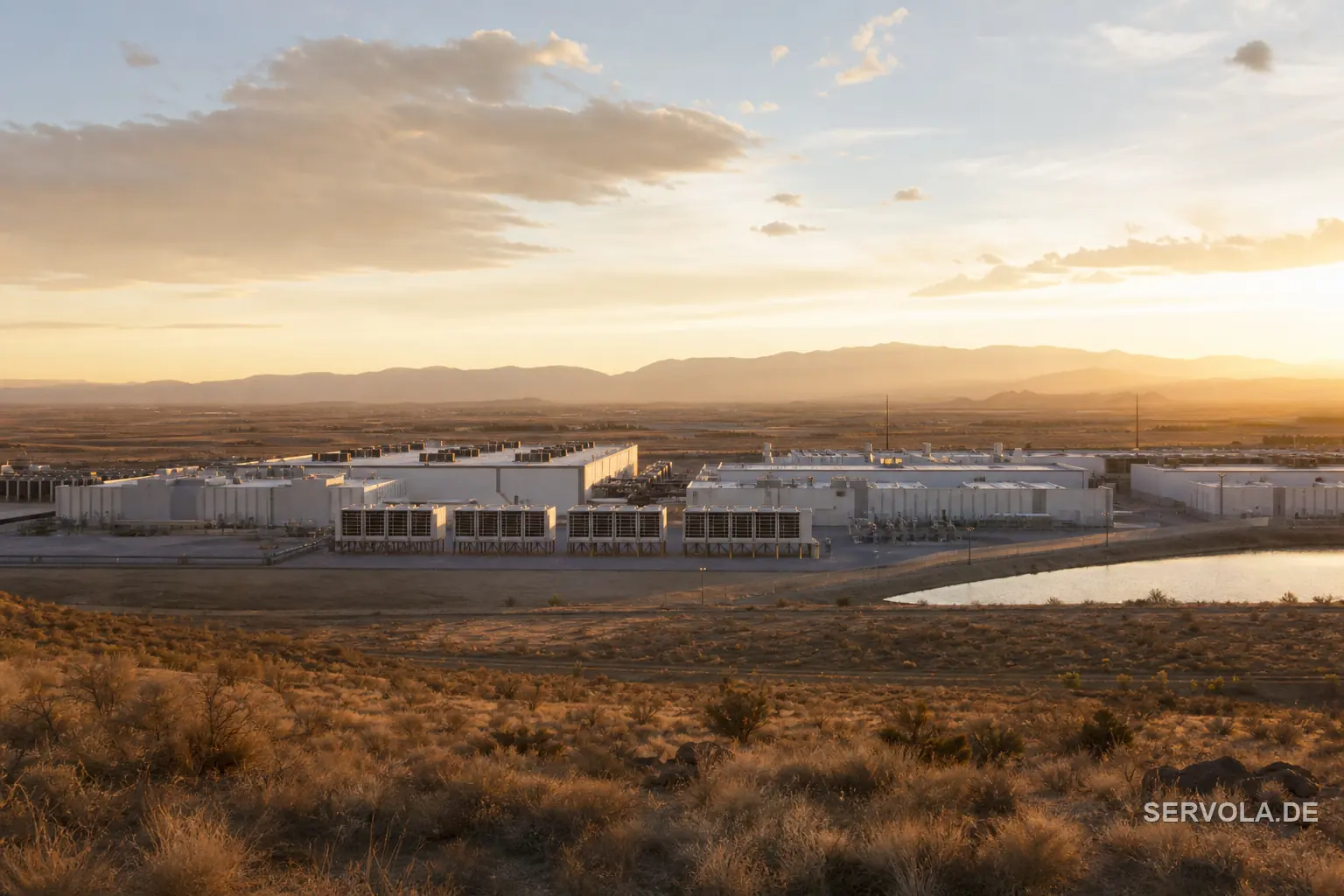
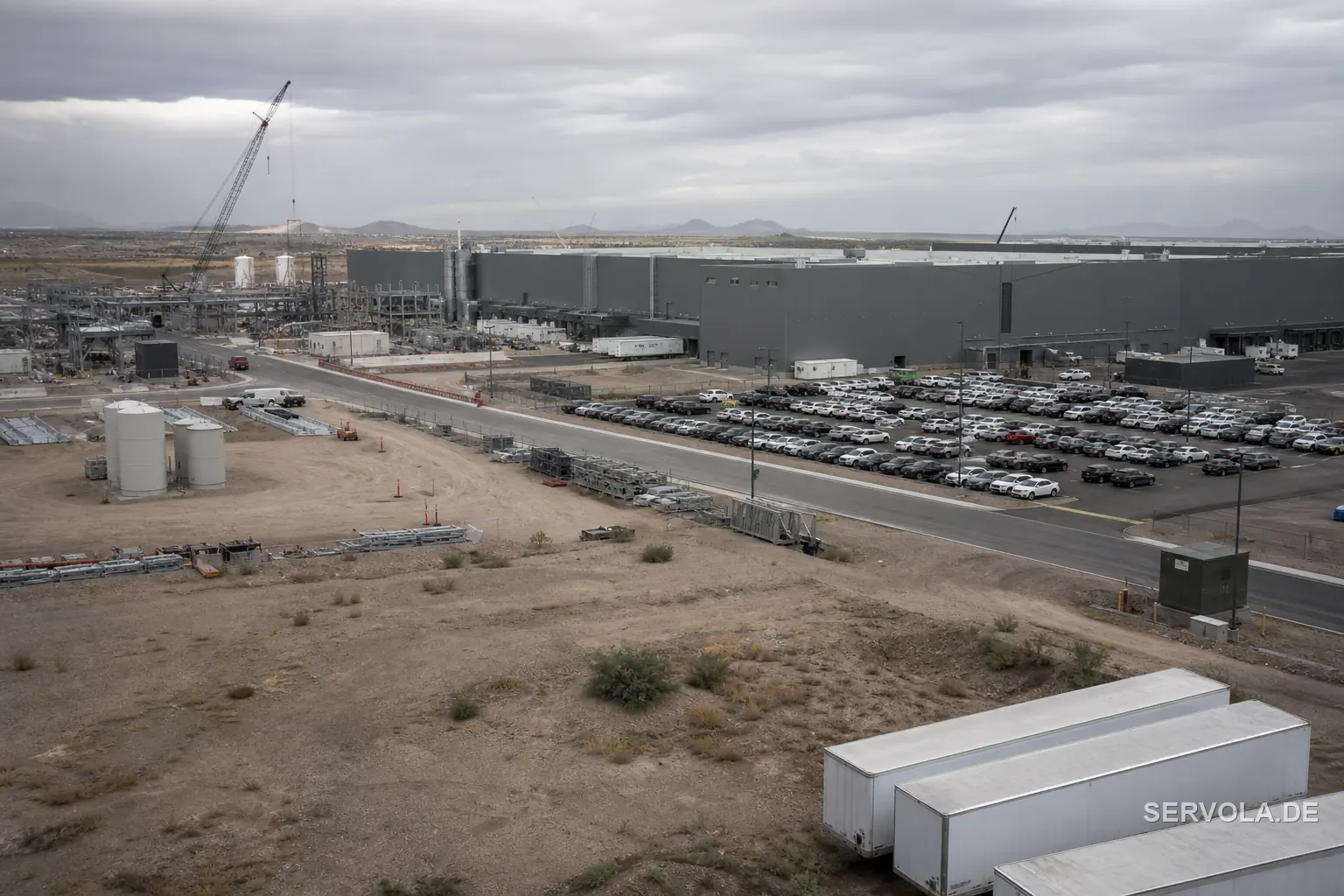
A hypersonic-weapons company raising over a billion dollars would normally signal a bet on unproven physics or an unfinished test program, but Castelion's own framing of this round is explicit about what the money buys: a roughly 1,000-acre factory built to mass-produce low-cost hypersonic weapons at a price the company says taxpayers can afford. That single detail separates this round from almost every other defense-tech capital raise of the past several years, most of which fund prototypes, flight tests, or a handful of early production units rather than a factory footprint measured in square miles.
Production capital and research capital behave differently, and the investors who write the checks know it. Research capital pays for engineers, test flights, and iteration, and it can sit on a balance sheet for years without a defined return. Production capital pays for tooling, floor space, supply contracts, and headcount that has to start delivering units on a schedule, and a $250 million revolving credit facility inside this round, the kind of instrument a lender extends against predictable receivables rather than speculative research, only reinforces that this is a scale-up round, not a science round.
The Supply Chain Shift Nobody Priced In
A factory built to mass-produce hypersonic weapons does not run on its own; it runs on sensors, avionics components, manufacturing software, and precision parts sourced from a defense-adjacent supply chain that has spent the last decade selling into prototype-volume contracts. Prototype-volume work tolerates hand-fitted parts, small batch sizes, and long, forgiving lead times, because the customer is buying a handful of units to prove a concept, not thousands of units to arm a stockpile.
A $13 billion, production-focused round from JPMorganChase and Carlyle is a signal that at least one hypersonic-weapons maker intends to place production-line-volume orders, not prototype-volume orders, and every vendor in that chain, from sensor makers to precision machine shops, is about to be asked for a different kind of contract: fixed unit pricing, guaranteed lead times, and volumes that assume a real production line rather than a lab bench. Suppliers who built their business on the old contract shape will not automatically qualify for the new one.
What Suppliers Should Check Now
The useful move for any defense-adjacent manufacturer, whether it sells sensors, avionics components, manufacturing software, or precision-machined parts, is to check production-line economics and lead times now, before the first production RFQ lands rather than after. A vendor that can quote a fixed unit price at ten times its current volume, with a lead time measured in weeks rather than the months a prototype order tolerated, is positioned to win; a vendor that cannot is not, no matter how good its prototype-stage relationship with the customer has been.
European and UK manufacturers selling into NATO-adjacent defense-hardware supply chains face the same test, even though Castelion itself is a US company with no announced European operations. A production-scaling round of this size in the United States tends to pull the entire allied supply base toward production-line contracting norms, because primes and their financiers increasingly compare every vendor's lead times and unit economics against whichever supplier just proved it could scale first. Waiting for a formal request for quotation to start that conversation internally is waiting too long.
Read next: Europe's SpaceX Alternative Raises $450 Million | Salesforce Backs the $5B Rival to Its Own AI Tools