From the Executive to the Household
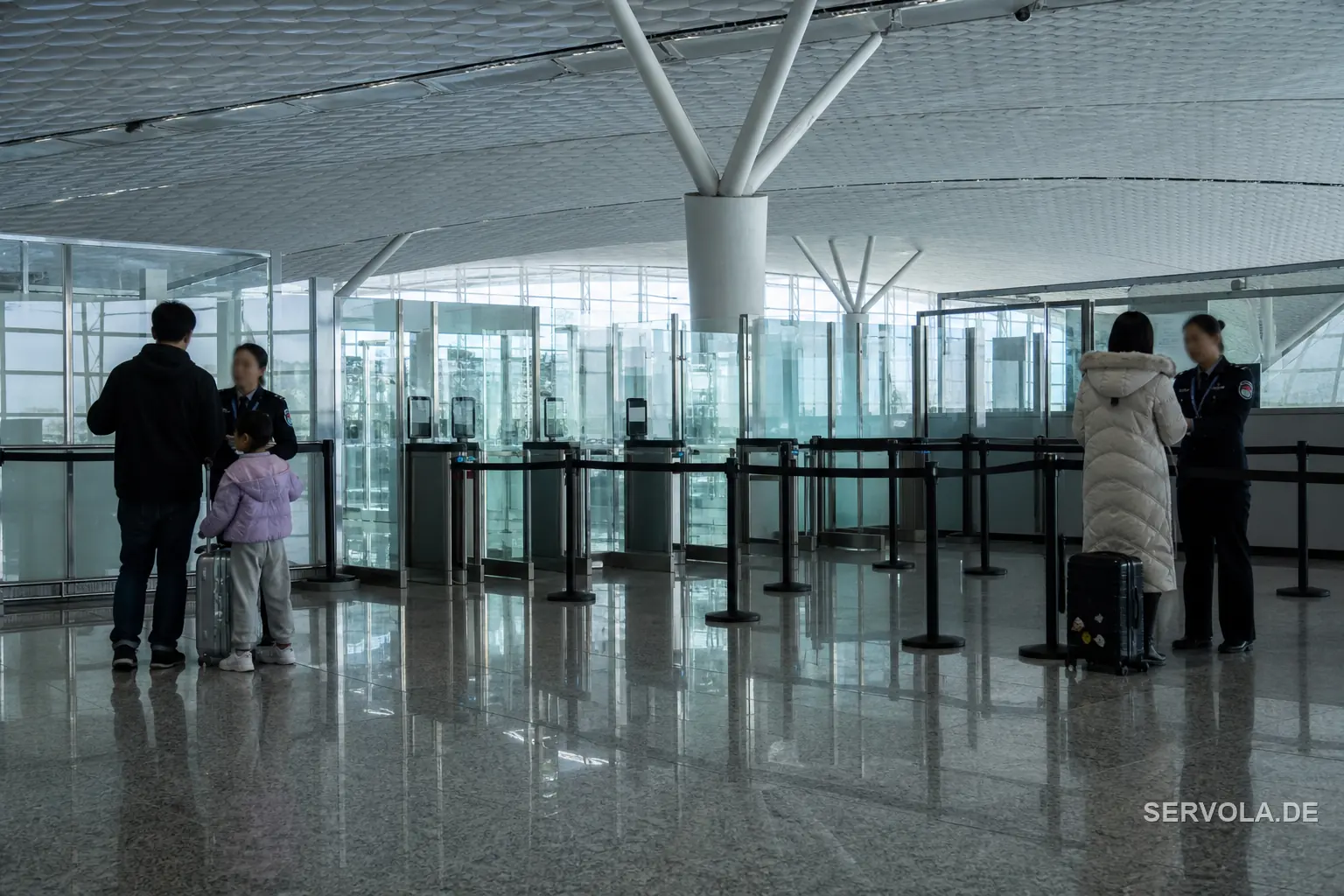
On September 15, a new Chinese regulation on exit and entry administration took effect, giving the state power to restrict overseas travel for anyone it judges a threat to industrial or technological security. Officials have started applying it to a group nobody expected to be covered: the spouses and children of AI and chip executives.
The people affected run companies Beijing considers vital to national AI capability, including prominent startup founders. Their direct relatives now need government approval before leaving the country, even for a short trip, and the notifications telling families about the new requirement are only now going out.
The Rule Had a Warning Shot
This is not China's first move against AI talent leaving. Back in May 2026, Beijing began requiring the executives themselves, at firms including Alibaba and DeepSeek, to get pre-approval before any trip abroad. The September rule takes the same logic and extends it one generation further, from the person the state wants to keep to the people that person cannot leave behind.
The clearest sign Beijing will act on this logic came earlier this year, when Meta tried to buy the Chinese AI startup Manus for about two billion dollars. Chinese officials, worried about losing the technology and the people behind it, pushed back hard enough that Meta abandoned the deal.
What This Changes for Every Recruiter
For a European or American company trying to hire away one of China's most capable AI researchers, resignation was already the hard part. A family-approval requirement makes it harder still, since accepting a foreign offer now means asking a spouse and children to clear an exit process the researcher cannot control on their behalf.
The result is a quieter kind of retention than an export ban on a chip or a model. It does not stop information from crossing a border. It makes the people who carry that information in their heads reluctant to cross one themselves, which is a harder problem for a competing lab to solve with a bigger salary.
Part of a Wider Pattern
The travel rule sits alongside a broader tightening. China has also moved to restrict foreign, particularly US, investment into its sensitive technology firms this year, treating capital inflows and talent outflows as two sides of the same security question.
For AI labs and chipmakers outside China, the practical lesson is not to expect this list of restricted people to shrink. Officials have said they plan to add more names over time, which means the group of researchers who are hardest to hire is, by design, going to keep growing.
Read next: A Sanctioned Chipmaker Kept Buying Nvidia Anyway | Singapore Couldn't Shield Manus From Beijing