Two Rings, One New Trick
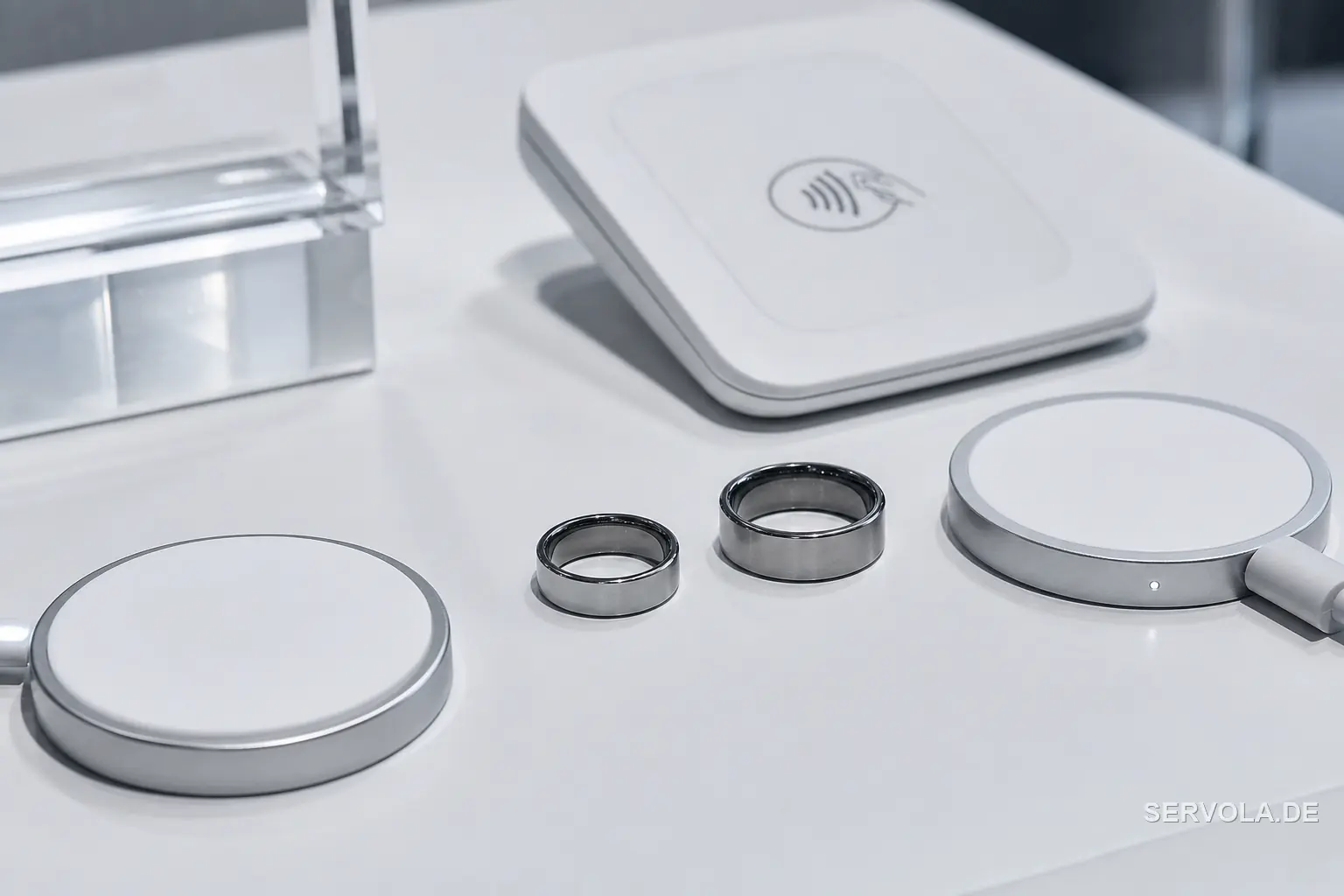
Circular used IFA 2026 in Berlin to unveil two new smart rings on September 3: the Ring 3 Pro and the Ring 3 Slim. Both are titanium, water resistant to 50 metres, wireless-charging, and available in sizes 6 to 14 across gold, rose gold, silver, and black. Both also add two features no earlier Circular ring had: an integrated NFC chip for contactless payments, and on-finger haptic vibration for silent alerts, medication reminders, and guided breathing.
The Pro is the health-focused model: FDA-cleared ECG for atrial fibrillation detection, blood pressure trend tracking, glucose tracking, and advanced sleep analysis, on top of up to 12 days of battery, up from 7 on the previous generation. The Slim strips that down to core tracking, sleep, heart rate, HRV, blood oxygen, skin temperature, and daily activity, in a thinner, lighter shell rated for up to 10 days.
The Feature That Changes What a Ring Actually Is
Adding NFC payment to a smart ring is not new in isolation, Oura and a handful of others have tried it, but pairing it with haptic feedback is the first time a mainstream ring maker has framed the device as a payment tool with equal billing to a health tracker. Circular CEO Amaury Kosman put it plainly: the Slim exists for people who mainly want secure NFC payments and core wellness tracking in the smallest possible package, not the full clinical feature set.
Technically, this rides on infrastructure that already exists. A payment ring is provisioned the same way Garmin Pay or Fitbit Pay is, a card is tokenised through the cardholder's bank and the card network, and any contactless terminal a shop already has for tap-to-pay phones and watches accepts it without modification. The shift is not in the hardware at the till; it is in what counts as a wallet.
Pro Versus Slim, Side by Side
The two models trade health depth for size and price positioning; the numbers Circular has confirmed so far look like this.
| Spec | Ring 3 Pro | Ring 3 Slim |
|---|---|---|
| Width x thickness | 6.8mm x 2.78mm | 5.9mm x 2.35mm |
| Weight | 3 to 4 grams | 1.9 to 3 grams |
| Battery life | Up to 12 days | Up to 10 days |
| ECG, blood pressure, glucose | Yes | No |
| NFC payment and haptic alerts | Yes | Yes |
| Announced price | Not yet set | Not yet set |
Neither model has a confirmed price. Circular says pricing and preorder details will follow in the coming months, ahead of an early-2027 launch.
A Payment Device With No Lock Screen
A phone that gets lost or stolen locks itself behind a passcode or biometric before a thief can tap it against a terminal. A smart ring has no screen, no PIN pad, and no lock mechanism at all, so a payment ring's entire fraud defence sits one layer up, in whatever limit the card network and issuing bank allow a contactless transaction to clear without a PIN.
That limit is not uniform across Europe. Germany and France, like most of the eurozone, cap a no-PIN contactless payment at EUR 50 under the EU's own payment-services technical standards. The UK currently allows up to GBP 100, but that fixed national cap is being removed from March 2026, after which each bank sets its own limit within regulatory guardrails. In practice, that means how much a lost Circular Ring could be used for before it gets blocked will depend less on the ring and more on which bank issued the card behind it, and, in the UK specifically, on a cap that is about to become a competitive variable between banks rather than a fixed national rule.
What Still Has to Happen Before This Ships
Three things separate this announcement from a product a European buyer can actually use. Circular has not named the card network or banking partners that will provision the NFC chip, has not published a price in euros or pounds, and has not said whether the payment feature will be available at launch in every market or rolled out region by region, the way most tap-to-pay wearables have been.
Until those three details land, the Ring 3 series is a specification sheet, not yet a purchase decision. Retailers do not need to change anything on their side; the interesting open question is entirely on Circular's side, and on the banks that decide whether to support a wearable with no way to confirm a transaction beyond wearing it.
Read next: HTC's Smart Glasses Let Bystanders Say Stop | Acer Just Put a Dead Brand Back on the Price List