Cisco And Nvidia Just Named A Third Kind Of Customer
Cisco announced on August 25, 2026 that it is expanding its Secure AI Factory with Nvidia to add Supermicro rack-scale and dense-GPU systems, available from October 2026 through Cisco's channel partners. The target customers named in the announcement are enterprise, neocloud, and sovereign cloud operators, the third of those explicitly called out alongside the more familiar hyperscaler-adjacent neocloud category.
Cisco President and Chief Product Officer Jeetu Patel framed the launch in terms that read as aimed at regulated buyers rather than raw performance shoppers: "Every organization is racing to scale AI, but speed only counts if it comes with control of data." Nvidia's VP of Enterprise AI, Justin Boitano, added: "AI factories are revenue-generating infrastructure, where compute produces intelligence, and intelligence drives revenue."
What Is Actually In The Reference Architecture
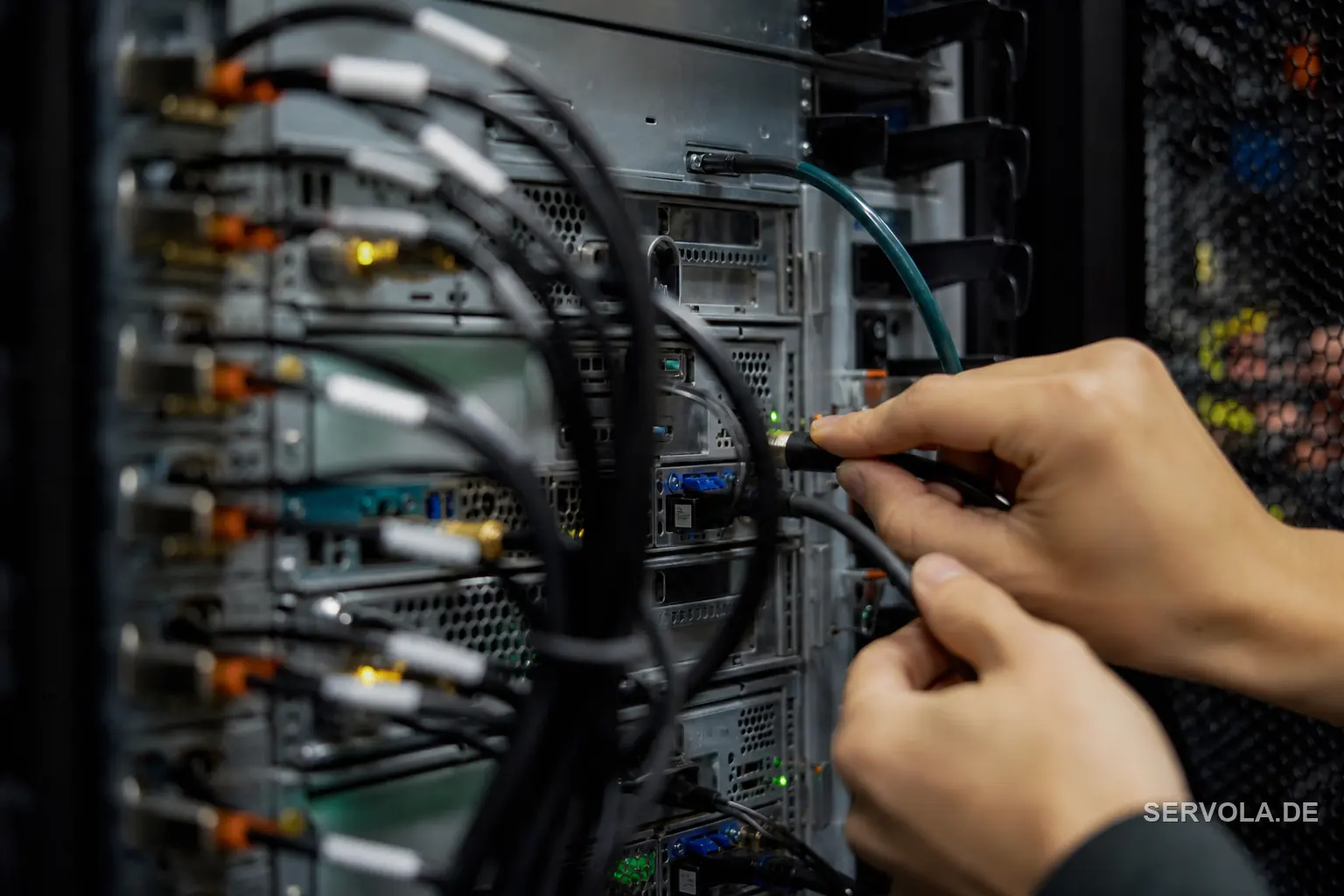
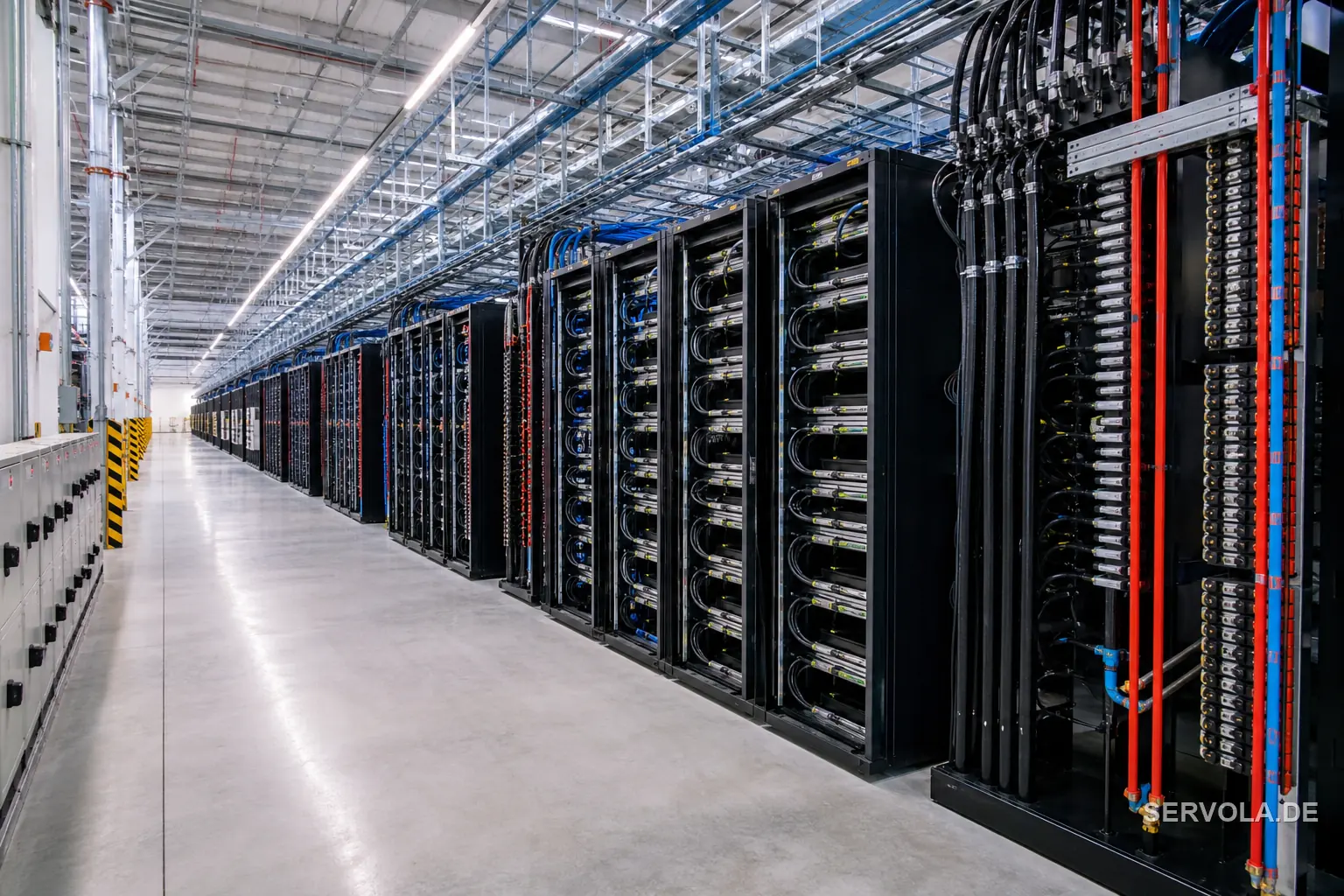
The expanded offering combines Supermicro's liquid- and air-cooled server systems with Cisco's networking stack: Cisco Silicon One switches, Spectrum-X based switching, and Nexus One unified networking, connected through rack-to-fabric liquid cooling. It supports Nvidia's newer Vera Rubin NVL72 and HGX Rubin NVL8 platforms and is built as an Nvidia Cloud Partner (NCP) compliant reference architecture, meaning a buyer can deploy it as a pre-validated stack rather than integrating each layer independently.
The Sovereignty Angle Nobody Had To Ask Cisco For
EU governments have spent 2026 stating a sovereignty preference out loud, from France's decision to exclude OpenAI from state security testing in favour of Mistral, to repeated national pushes for compute independence from US hyperscalers. What has been thinner on the ground is a named, procurable supply-side answer: infrastructure a regional or sovereign cloud operator can actually order rather than a policy aspiration. Cisco and Nvidia naming sovereign cloud operators as a customer segment, with dense-GPU hardware, dedicated networking, and an October 2026 delivery window, is a vendor responding directly to that stated demand rather than waiting for it to be spelled out in a procurement tender.
What This Means For An EU Buyer Evaluating Compute Options
The practical instruction is narrow: any EU enterprise or public-sector body currently defaulting to a single hyperscaler for AI compute, out of habit rather than a hard requirement, now has one more named, dated option to put on a comparison sheet when evaluating sovereignty, data residency, or vendor-lock-in risk. It does not replace due diligence on who actually operates the sovereign cloud instance running this hardware, but it removes one excuse for not asking the question.
Read next: OpenAI's Efficiency Claim Has No Independent Check Yet | Nvidia Backs Starcloud's $2.3B Orbital Data Bet