A Root-Level Bug in the Chip Cisco Sells for AI
Cisco's own security team published the advisory on September 2, 2026, rating it 9.8 out of 10, the second-highest severity Cisco assigns. The flaw, tracked as CVE-2026-20212, lets an attacker with no credentials execute code with root privileges on a Cisco Nexus 9000 Series switch.
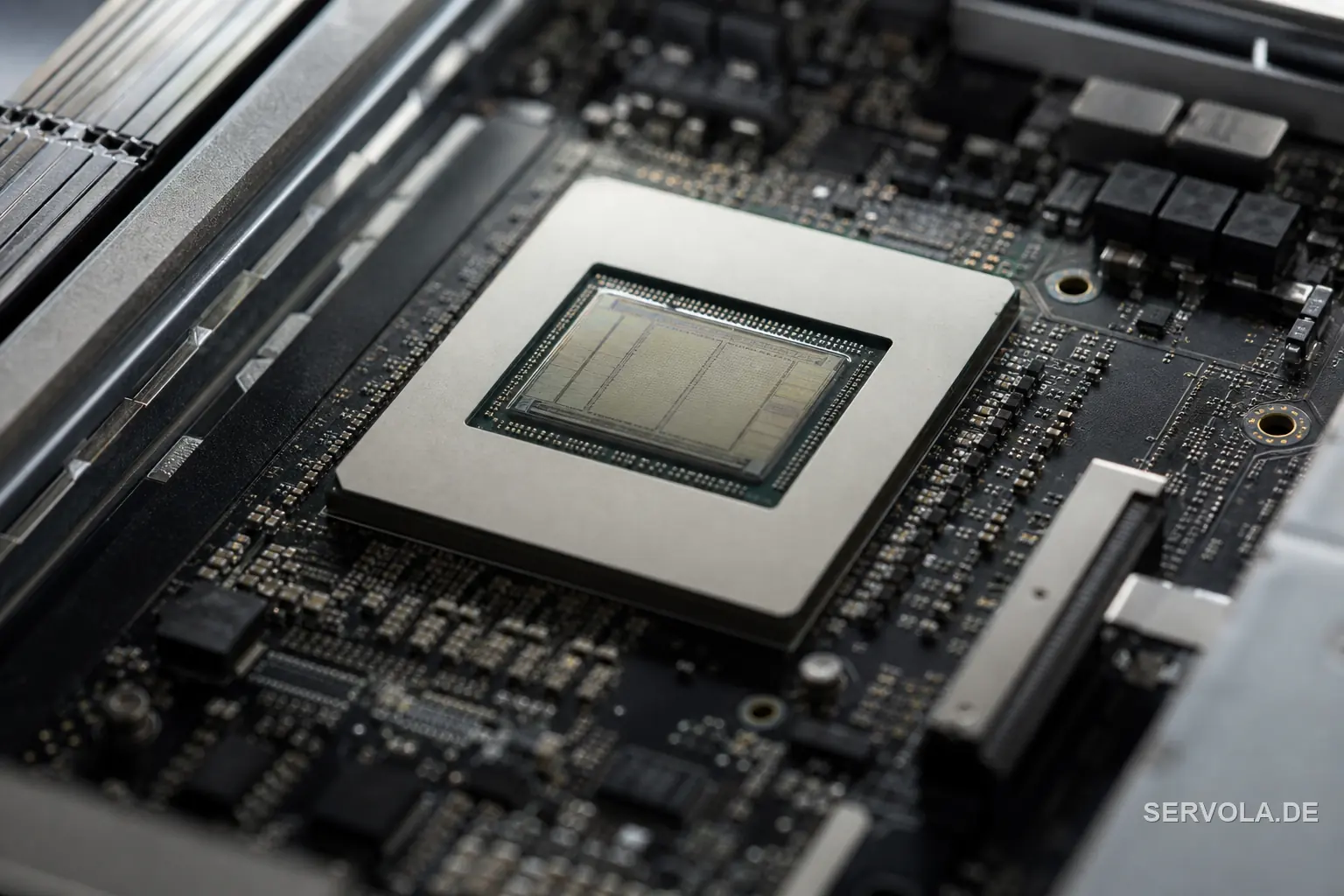
The affected switches all share one thing: Cisco's Silicon One ASIC, the custom chip Cisco has spent two years positioning as the backbone of AI-scale data center fabric, the high-throughput switching layer that connects racks of GPUs to each other and to storage. Ten specific models carry the flaw, listed below.
| Affected model | Class |
|---|---|
| N9324C-SE1U | Fixed fabric switch |
| N9348Y2C6D-SE1U | Fixed fabric switch |
| N9364E-SG2-O | Fixed fabric switch |
| N9364E-SG2-Q | Fixed fabric switch |
| N9396T12C-SE1 | Fixed fabric switch |
| N9348Y12C-SE1 | Fixed fabric switch |
| N9396Y12C-SE1 | Fixed fabric switch |
| N9336C-SE1 | Fixed fabric switch |
| N9K-C9804 | Modular chassis |
| N9K-C9808 | Modular chassis |
How an Attacker Gets In Without a Password
The advisory traces the bug to Cisco's own S1HAL process, the software layer that talks to the Silicon One ASIC. It listens on TCP ports 43210 and 43211, and by default those ports are reachable inside the switch's L3 VRF with no authentication step at all.
Crafted input sent to either port can be executed as code with root privileges, the highest access level the switch has. A less severe version of the same weak spot can crash the S1HAL process outright, forcing the whole switch to reload, which on a fabric switch means every rack it connects loses its uplink at once.
The Patch Exists, But Finding It Does Not
Cisco has already shipped fixed NX-OS software for the affected trains, so this is not a wait-for-the-vendor situation. What it is, is a wait-for-your-network-team situation: Cisco's advisory tells customers to run its Software Checker tool against their specific device and current release, because the fixed version differs by model and existing train, not one blanket update number everyone can grab.
That extra step is exactly the kind of friction that turns a same-day-patchable bug into a six-week-later one. A CVSS 9.8 bug does not wait politely for the next change window while someone works out which release train they are actually on.
Why This One Is Different From a Routine Firewall CVE
Most critical CVEs land on the edge of the network, a firewall, a VPN gateway, something already inside a hardening and monitoring routine because it faces the internet directly. Fabric switches like the Nexus 9000 typically sit inside the network's most trusted zone, connecting compute and storage to each other, and get re-audited far less often precisely because nothing external is supposed to reach them.
That assumption is what this bug breaks. The exposed ports sit inside the switch's own default VRF, meaning any device already able to reach the fabric network, a compromised server, a misconfigured management interface, a contractor's laptop on the wrong VLAN, can potentially reach root on the switch itself, with no separate credential check standing in the way.
What To Check This Week
Run Cisco's Software Checker against every Nexus 9000 Silicon One switch in your fabric, not just the ones you remember buying recently. Confirm your VRF segmentation actually blocks TCP 43210 and 43211 from anything but the switch's own management plane, rather than assuming it does.
If you operate as an essential or important entity under the EU's NIS2 directive and this switch sits in scope, a confirmed exploitation here would be the kind of significant incident that starts your 24-hour reporting clock the moment you detect it, not the moment you finish investigating it.
Read next: Google Put Four AI Chips in Orbit, Not a Data Center | Your Electricity Bill Just Got a Legal Shield From AI Data Centers