A Launch Day With No US Page
DJI launched the Mic Mini 2S worldwide on August 4, 2026. It is the first transmitter in the budget Mic Mini line that can record audio internally, independent of any wireless connection to the receiver, alongside 32-bit float recording, roughly 14.5 gigabytes of onboard storage per transmitter, up to 28 hours of 24-bit audio, and support for up to four transmitters on a single receiver, all inside a clip-on unit under 12 grams. In Europe, DJI priced the flagship two-transmitter kit, with receiver and charging case, at 189 euros, and a single-transmitter mobile bundle at 99 euros. The product went on sale the same day across the EU, UK and Canada.
There is no US product page, no US price, and no confirmed US release date. Coverage at launch consistently noted the gap without DJI issuing a public explanation beyond confirming it had applied for the regulatory clearance it needs.
A List Built for Drones, Applied to a Clip-On Mic
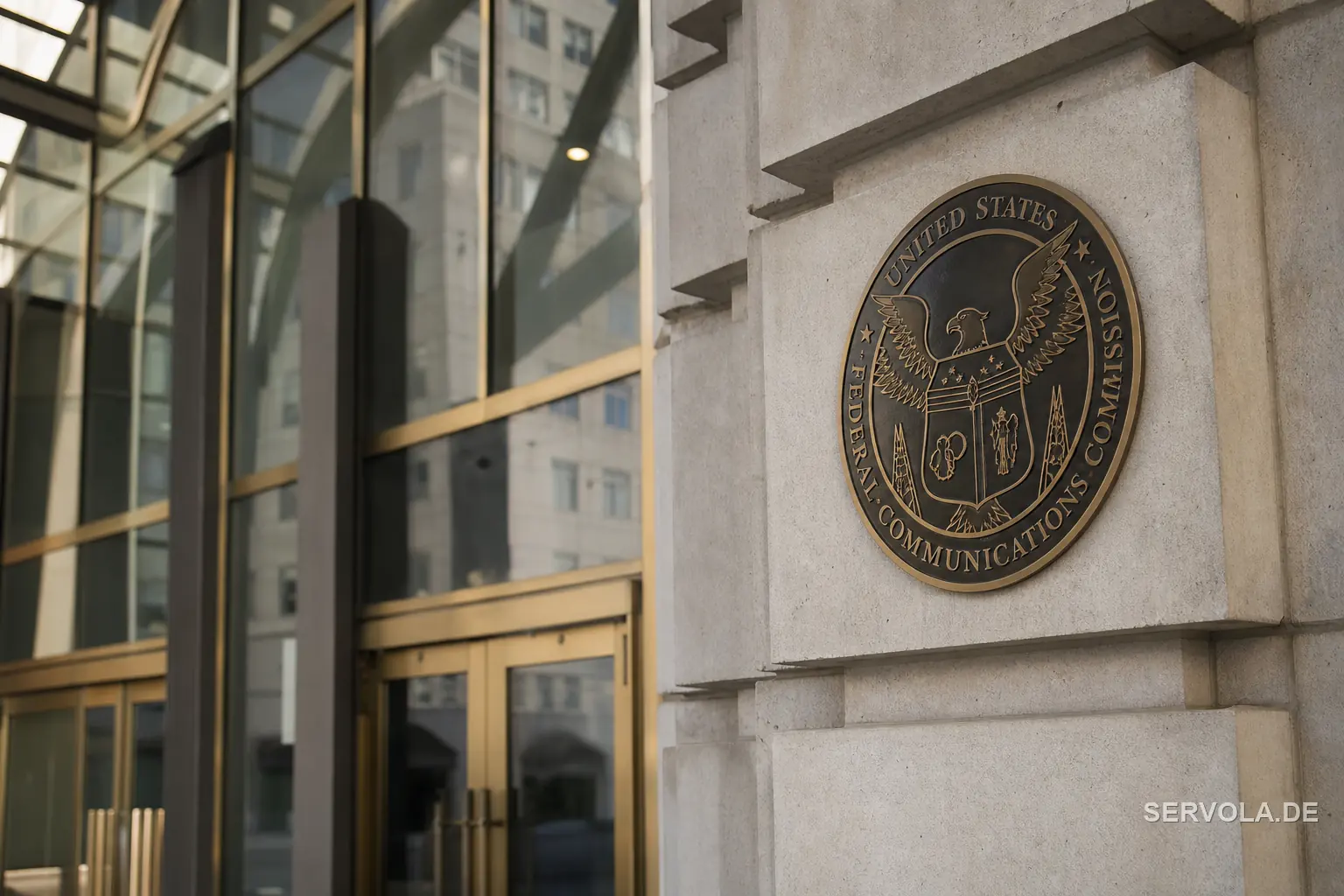
The reason traces to the FCC's Covered List, the national-security designation the agency added DJI to on December 22, 2025. Once a company is on that list, the FCC is blocked from granting it any new equipment authorization, the regulatory approval every wireless device needs before it can legally be sold in the United States, regardless of what the specific device is or does. The designation does not require a fresh public notice-and-comment process for every product; it applies to the company's hardware as a category.
The Mic Mini 2S is a clip-on wireless microphone. It has no camera, no flight capability, and no GPS, the exact attributes that made drones a plausible surveillance and data-exfiltration concern in the first place and the reasoning behind the original Covered List designation. None of that reasoning transfers to an audio transmitter. The device's own FCC equipment filing first appeared in the FCC database on January 31, 2026 and was withdrawn a few weeks later, consistent with an application still working through a process the company cannot resolve unilaterally. DJI has confirmed it applied for authorization; it has not been granted one.
The Ban Is Being Actively Enforced, Not Left to Fade
This is not a dormant rule. In July 2026, the FCC proposed 25,000-dollar fines against eight companies it suspects of selling rebranded DJI hardware to route around the Covered List restriction, and then moved to ban products from nine such companies outright. That is an agency actively policing the reseller and white-label market for the exact device category the Mic Mini 2S sits in, which makes it unlikely the microphone's US absence is a paperwork delay about to resolve itself quietly. If anything, the enforcement pattern suggests US regulators are widening scrutiny of the category, not narrowing it.
For European, British and Canadian buyers, none of this changes anything: the device is on sale, priced, and shipping. For DJI, a company whose consumer imaging products (drones, cameras, gimbals) built its brand, a microphone accessory being the one caught by a drone-era security rule illustrates how blunt a company-wide designation is once it exists, regardless of how narrowly the underlying concern was originally framed.
What EU Regulators Should Actually Take From This
The EU and UK are separately debating their own restrictions on non-EU hardware suppliers in sensitive categories, part of the same digital sovereignty push covered elsewhere in this outlet. The DJI Mic Mini 2S is a live case study in a specific design choice inside that debate: designating a company, rather than a product category, as the unit of restriction. It is administratively simpler, one list, one check, no per-product review, but it guarantees that products with none of the original security relevance get caught anyway, and it does so silently, with no separate public notice for each affected device.
A microphone is a low-stakes example. The same mechanism, applied to a company whose product range spans genuinely sensitive categories, telecoms equipment, industrial control systems, cloud infrastructure, alongside plainly harmless consumer accessories, would produce the identical blind sweep at a much higher cost to legitimate commerce. Any EU or UK measure modeled on the US Covered List approach should specify, in advance, whether the unit of restriction is the company or the product category, because this case shows which one a blanket company-level list actually delivers.
Read next: The White House Asked Two Labs To Stop Sharing With Britain | Moonshot Seeks A Cut While Treasury Weighs A Ban