Europe's Rocket Finally Left the Continent
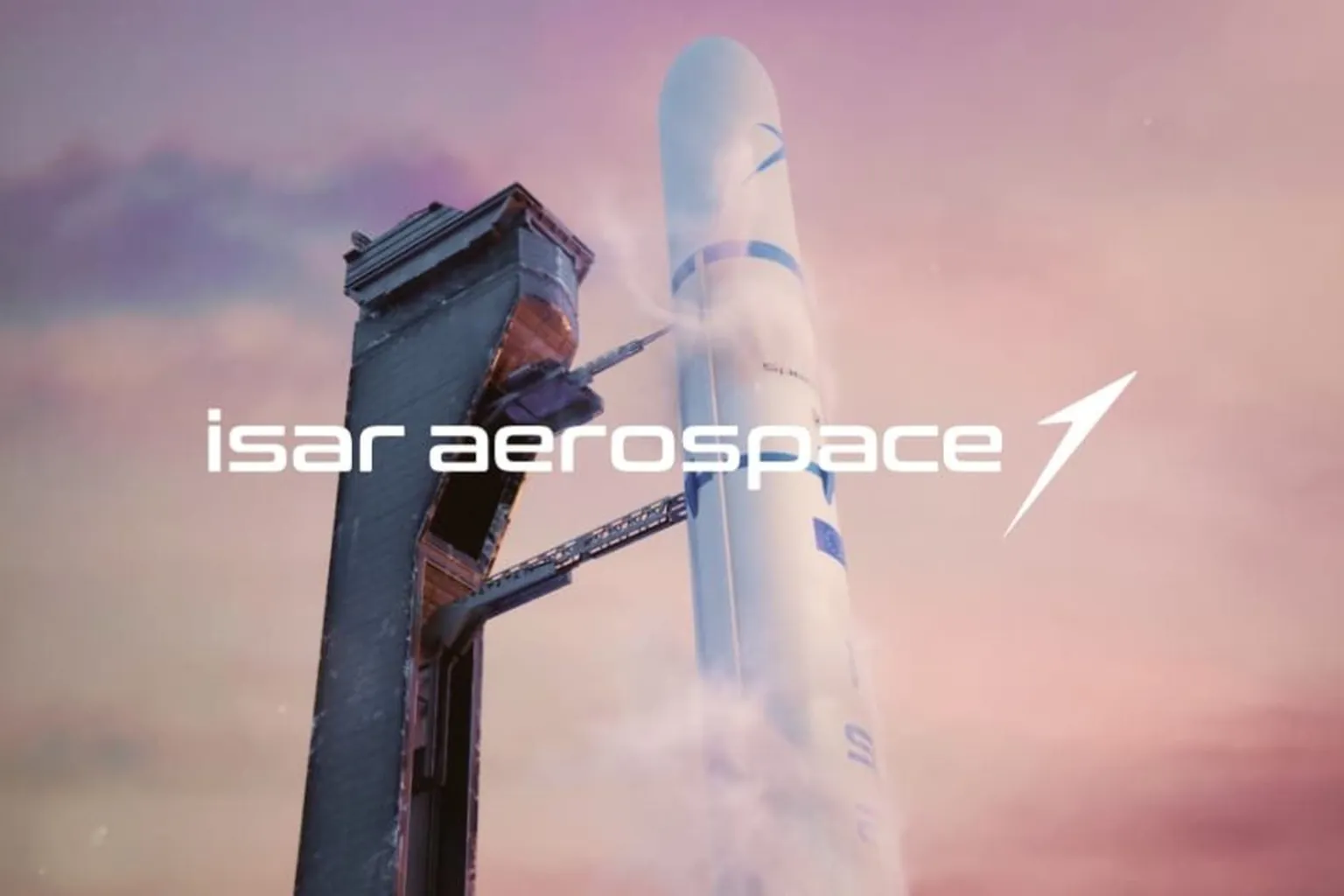
Isar Aerospace launched its Spectrum rocket from the Andoya Spaceport in Norway on September 5, 2026, and reached orbit roughly seven minutes later, becoming the first rocket in history to do so from Western European soil. The mission, named Onward and Upward, carried six payloads: five commercial and educational CubeSats plus one experiment selected by the German space agency DLR through its Microlauncher competition. The flight followed an 18-month gap after Spectrum's first attempt in March 2025 ended after just 30 seconds, a failure that proved liftoff was possible but nothing more.
| Flight | Date | Outcome | Payload |
|---|---|---|---|
| Spectrum Flight 1 | March 2025 | Failed after 30 seconds | None (test flight) |
| Spectrum Flight 2, Onward and Upward | September 5, 2026 | Reached orbit | 5 CubeSats plus 1 DLR experiment |
ESA's Director General called the achievement instrumental in advancing what he termed a resilient and autonomous Europe in space, while Isar Aerospace CEO Daniel Metzler described the gap between the two flights as rapid iteration toward sovereign access to space for Europe and allied nations.
The Money Arrived Before the Rocket Did
The launch was not the first sign that Isar Aerospace had become a sovereignty story rather than a pure space-tech one. In June 2026, three months before Spectrum reached orbit, the company closed a 270 million euro funding round led by the NATO Innovation Fund, with Island Green Capital and Molten Ventures joining returning backers HV Capital, Lakestar, UVC Partners, and KfW Capital. Announcing the round, Metzler said space is no longer a frontier but the infrastructure of national power, and framed the capital as expanding access to space for nations worldwide rather than as a bet on one rocket succeeding.
The company also disclosed that its customer base flipped in the twelve months before the round, moving from primarily civil demand to 60 percent defense-oriented work. That shift, disclosed before Spectrum had ever reached orbit, tells you where European and allied governments were already placing their bets: on a company that had not yet proven its hardware, because the alternative, depending on non-European launch providers for defense-relevant payloads, was judged the bigger risk.
Sovereign Does Not Mean Solely European
The part of Isar's own announcement that complicates the tidy version of this story is a signed letter of intent with Maritime Launch Services to build a second launch site at Spaceport Nova Scotia, in Canada. A company marketed as the answer to Europe's launch dependency is simultaneously expanding onto North American soil, and separately entered a cooperation agreement with the shipbuilder TKMS tied to the Canadian Patrol Submarine Project, embedding its launch capability inside a NATO bilateral defense procurement framework rather than a purely European one.
That is not a contradiction so much as a definition. In practice, sovereign launch capability is being built as an allied-nation network, not a fortress limited to EU or European Economic Area territory, the same pattern already visible in sovereign cloud debates, where the guarantee that matters is which government can compel data access, not which continent hosts the server. For a European reader, the useful distinction is not European versus foreign but non-adversary versus adversary-controlled infrastructure, and Isar Aerospace is positioning itself squarely as the former.
What One Successful Flight Does Not Yet Prove
A single qualifying flight is not a commercial launch service. Isar Aerospace's manifest already runs through 2028 with missions booked for ESA, the Norwegian Space Agency, and the American provider SEOPS, and its Parsdorf production facility near Munich is built for up to 40 vehicles a year, but none of that capacity has yet flown a second time. The company's public cost target, around 10,000 euros per kilogram to orbit, still needs a repeat launch and a real cadence to mean anything against SpaceX's Falcon 9, which already flies at a fraction of that price on a near-weekly schedule.
For a European or UK business whose plans depend on Earth observation, secure communications, or defense-adjacent payloads reaching orbit, September 5 matters because it proves the hardware can work at all, not because it removes the dependency on SpaceX that has defined the last five years. The next milestone worth watching is not another headline launch. It is a second flight of the same vehicle, on a tighter timeline than the 18 months between the first two, because that is the number that turns a proof of concept into a supply chain Europe and its allies can actually plan around.
Read next: Norway Just Put Europe in Orbit Without SpaceX | A Japanese Buyer Has Priority on Europe's New Rocket