The record quarter in plain numbers
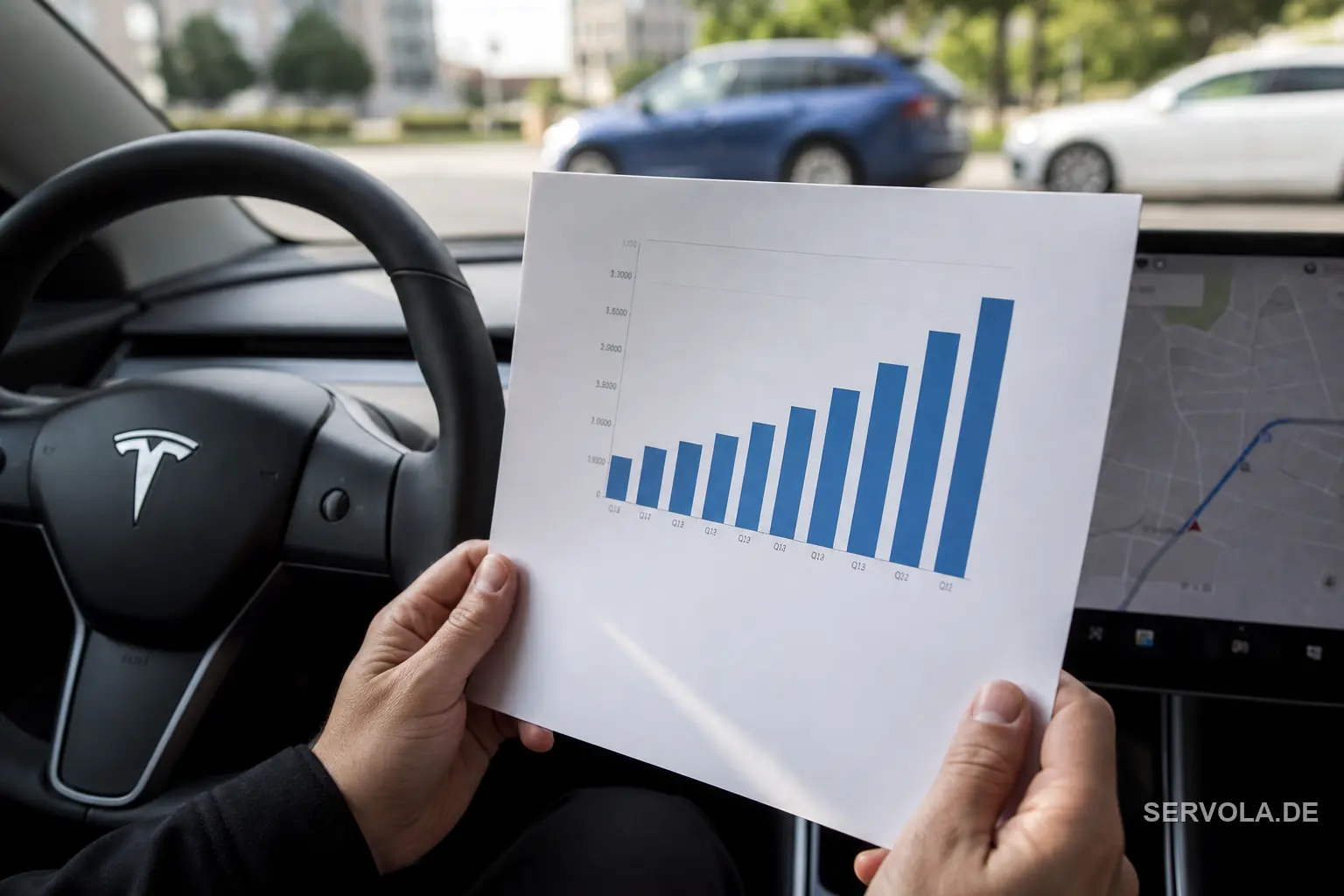
The bottom line: Tesla reported 480,126 deliveries for the second quarter of 2026 on 2 July, a quarterly record that came in about 74,000 units above the roughly 402,776 that analysts expected. That is a 25% jump year over year and a clean break from the slump that had defined the prior stretch. The figures come from Tesla's own delivery report, published through Tesla Investor Relations.
Production told a quieter story. Tesla built 451,758 vehicles, so deliveries ran roughly 28,000 units ahead of what came off the line. In practical terms the company sold down inventory it had already built, which flatters the headline. Independent coverage from Electrek and Q2 reporting from CNBC framed the beat the same way: strong demand, helped by a stockpile that was waiting for buyers.
Europe did the heavy lifting
Why it matters: the rebound was European before it was anything else. In the first five months of 2026 Tesla registered 118,068 vehicles across Europe and the UK, a 57% rise year over year that outpaced the global average. When one region moves that far ahead of the rest, the cause usually sits in that region's policy and cost environment, not in the product alone.
Reporting points to four drivers working together: higher fuel prices that make petrol ownership costlier, government purchase incentives that cut the sticker gap, faster electrification among corporate and fleet buyers, and consumer worries about range and charging that have eased. Three of those four are levers a state or a large employer can pull, and can also stop pulling.
Servola read: this is a rented recovery
Our take: the European rebound is substantially policy-manufactured, and that makes it a rented recovery rather than an owned one. Incentives, fuel-tax levels, and fleet electrification mandates are the scaffolding holding the demand curve up. When an incentive cliff arrives or a subsidy expires, demand built on that scaffolding can reverse on the same calendar the policy runs on.
The owner lesson is concrete. If you are planning a fleet EV transition or timing a personal purchase, map the incentive cliffs and the fuel-tax trajectory in your own market before you commit capital. Demand driven by subsidy is a schedule risk, not a durable trend, so the date the support ends belongs in your model next to the price. Treat the record quarter as good news and as a reminder to buy on fundamentals you control.
Read next: Tesla Scaled Optimus Output Before Fixing Its Hands | A Failed Drone Program Just Made Tekever Worth $6.4B