The factory that arrived a quarter early
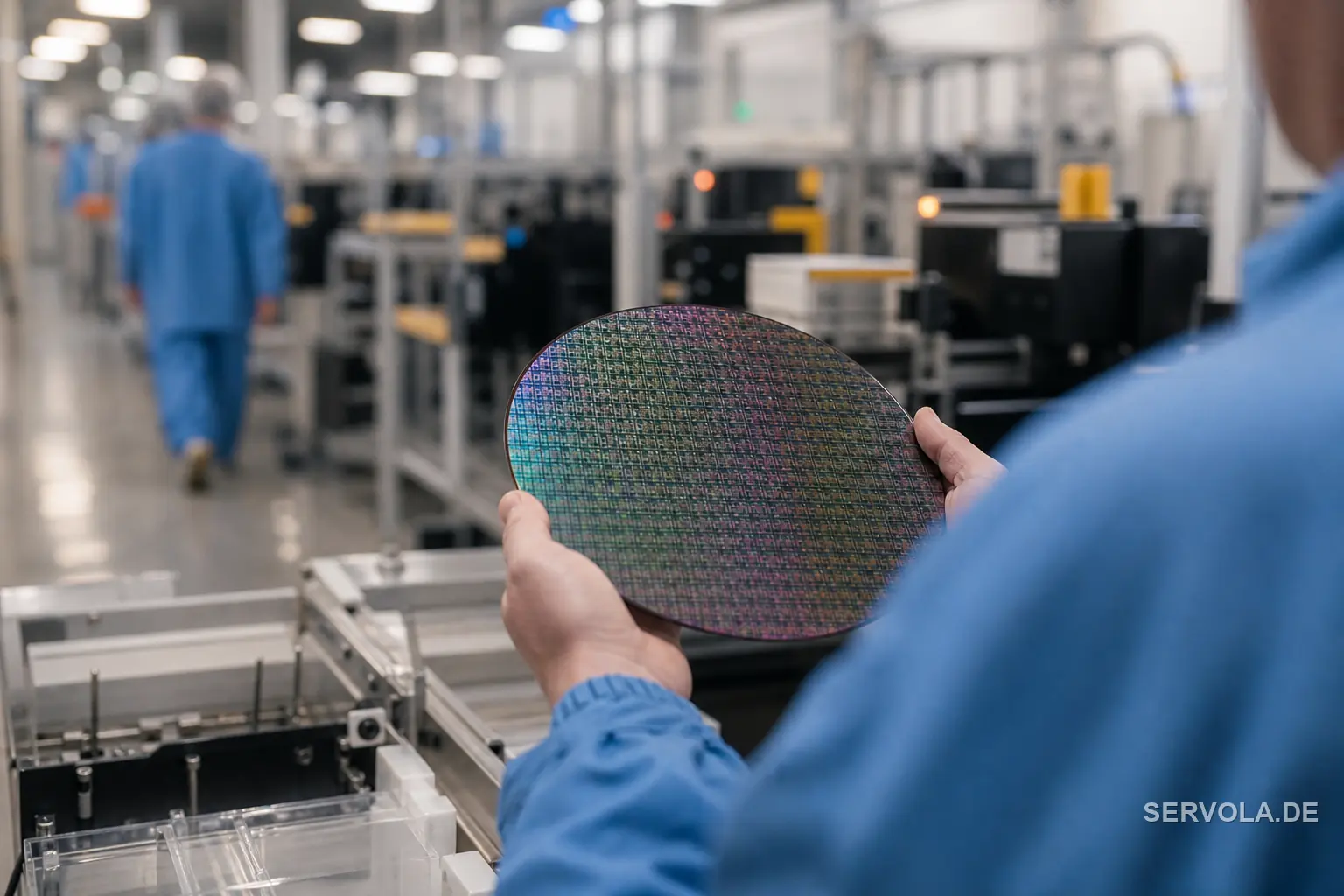
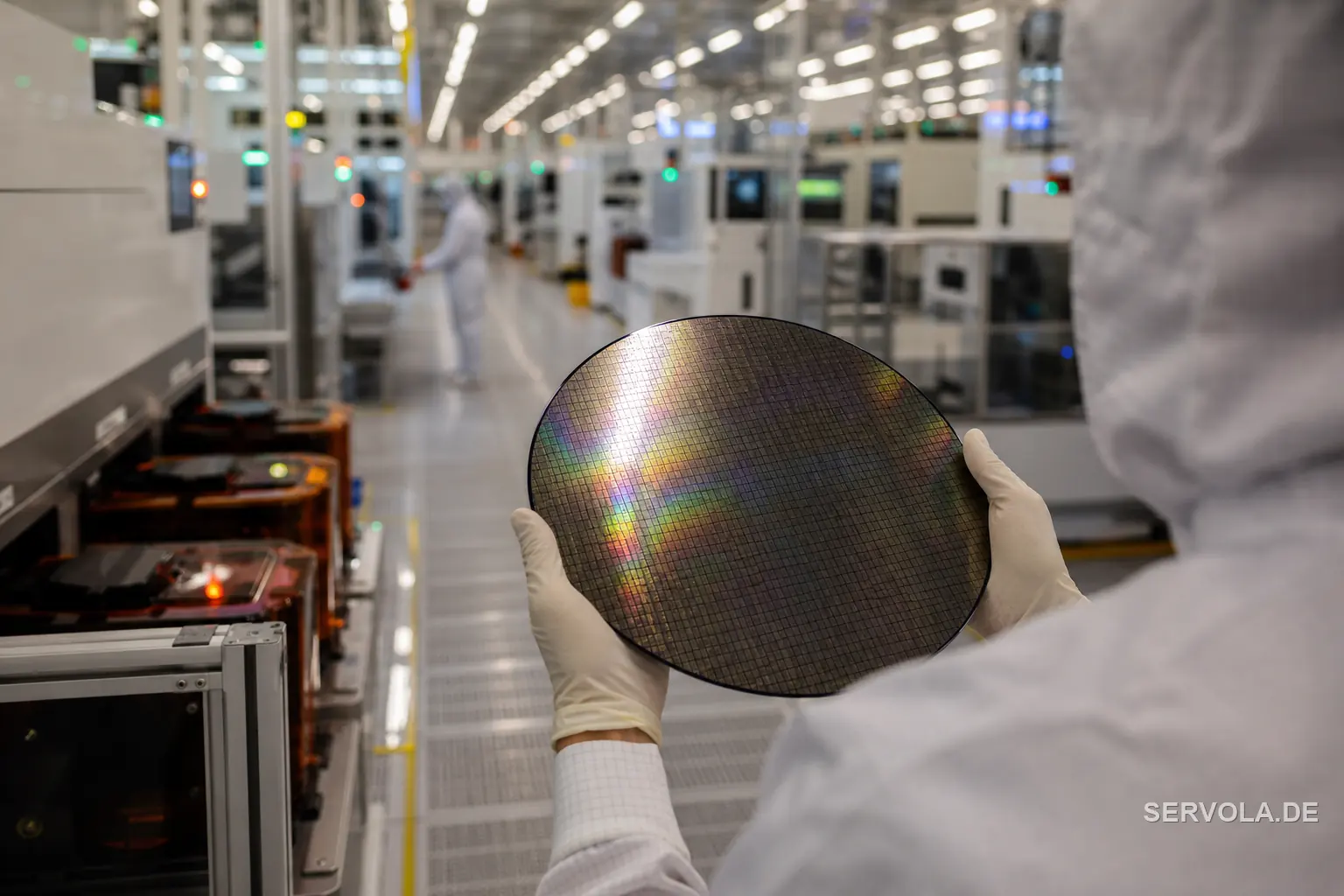
On 2 July 2026, Infineon cut the ribbon on its Smart Power Fab in Dresden, a 300mm semiconductor plant it calls the largest in the world for power and analog chips, three months ahead of its own schedule. The numbers are the kind Brussels has waited years to point at: a 5 billion euro total investment, the largest in Infineon's history, with roughly 1 billion euros in public support drawn from the European Chips Act and the IPCEI microelectronics programme, and 1,000 highly skilled jobs. Reported across heise, EE Times, Evertiq and the company's own release, the opening is the first time the abstract chip-sovereignty debate has produced a running factory on German soil rather than another funding announcement.
What the fab makes matters more than that it exists. This is not a leading-edge logic plant chasing the smallest transistors, the race Europe keeps losing to TSMC in Taiwan and to American fabs. It makes power semiconductors and analog and mixed-signal chips - the parts that manage electricity in electric vehicles, wind and solar installations, industrial systems and the power delivery of AI data centres. Infineon built it fast in part by cloning an existing plant in Villach as one virtual fab and pre-planning the layout with a digital twin, which is how a project that broke ground in 2023 opened early in 2026.
Why it matters: sovereignty is won in the workhorse chips
Why it matters: the chip-sovereignty conversation is dominated by the leading edge - the three-nanometre logic that goes into phones and AI accelerators - and on that front Europe is years behind and unlikely to catch up soon. Dresden is a reminder that the leading edge is not where most economic risk actually sits. Power and analog chips are in nearly every physical product and industrial system a European company makes, buys or specifies, and they have been concentrated in Asian supply chains. A European fab for them does not win the headline race, but it shortens and de-risks the supply lines that matter for the real economy, which is the part of sovereignty an owner can actually feel.
Yes, but: one fab does not make Europe self-sufficient, and the Chips Act's headline goal of lifting the EU share of global semiconductor production from around 10 to 20 percent by 2030 remains a stretch. Dresden is a single plant, its chips still depend on globally sourced materials and equipment, and the political will behind the subsidy can shift. The honest read is that this is a meaningful, concrete step in the category that matters most for supply resilience, not the end of Europe's dependence.
The bottom line: map your dependence on the unglamorous parts
The bottom line: for a European owner, the practical response to Dresden is not to celebrate a policy milestone but to look at your own supply chain. The components most likely to strand a production line in a crisis are rarely the exotic ones. They are the power-management and analog parts sourced from a concentrated set of Asian suppliers, the pieces that are boring until they are unavailable. A new European source for that category is a genuine option worth mapping into procurement, especially for anyone making, buying or specifying hardware where a power chip going short stops the whole line.
The wider principle is that digital sovereignty is not only about cloud and AI models. It runs through the physical layer too, and the resilience that matters is usually built in the unglamorous components rather than the ones that make headlines. Dresden is worth watching not because it wins the leading-edge race Europe cannot yet win, but because it onshores the silicon the real economy actually depends on.
Read next: Nvidia H200 Chips Are Now Arriving Inside China | SK Hynix's US HBM Plant Still Needs Korean Wafers