What a billion-dollar valuation buys
On 6 July 2026 Even Realities, a Shenzhen startup founded in 2023 by former Apple engineers, said it raised 150 million dollars in a pre-Series B round led by Meituan and Tencent, valuing the company at one billion dollars. Chief executive Will Wang, who worked on the Apple Watch and the iPhone, has grown the team from about 40 people in 2024 to more than 300 today, and says the company is already profitable after passing 10,000 units sold.
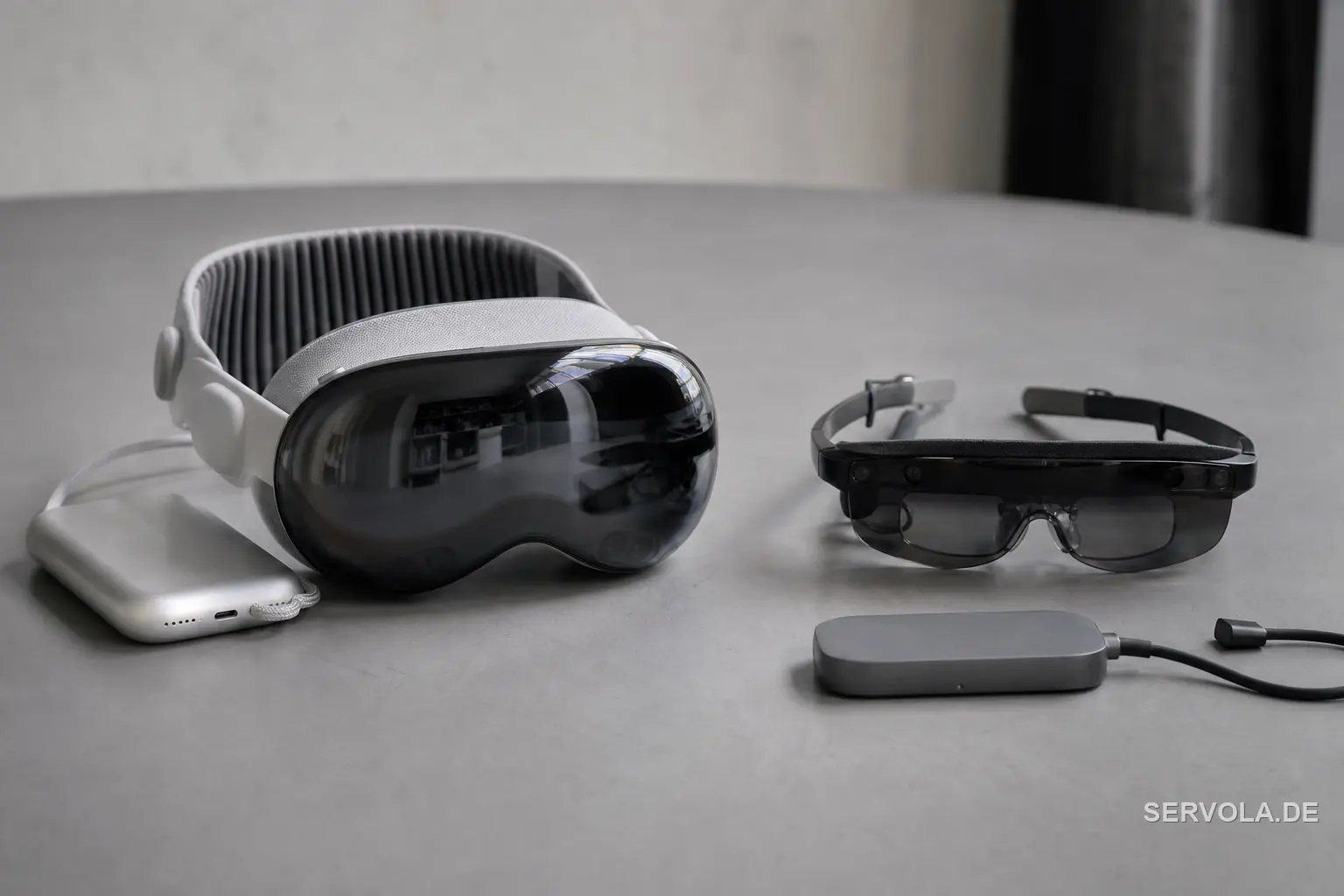
The money lands in a crowded field. Meta launched its newest glasses last month at 299 dollars and sells a higher Ray-Ban Display model with gesture control, Xreal raised 100 million dollars in January for Android AR spectacles, and IXI took 35 million for autofocus lenses. Even sits at the premium end: the G2 frames cost 599 dollars, roughly 499 pounds, prescription lenses or the companion R1 ring add 200 to 300 dollars, and a full order runs near 1,000 dollars. What separates it from almost all of them is the one component it left out.
Why leaving out the camera is the whole point
Even builds display-first glasses that beam text, directions, and live translation into the wearer's line of sight, and it ships no camera at all. That is a deliberate wedge. The company transcribes speech rather than recording audio, encrypts user data, and says its infrastructure is built to meet European privacy standards. Two of its co-founders come from luxury eyewear, including the Danish house Lindberg, which matters for a device people are asked to wear on their face all day.
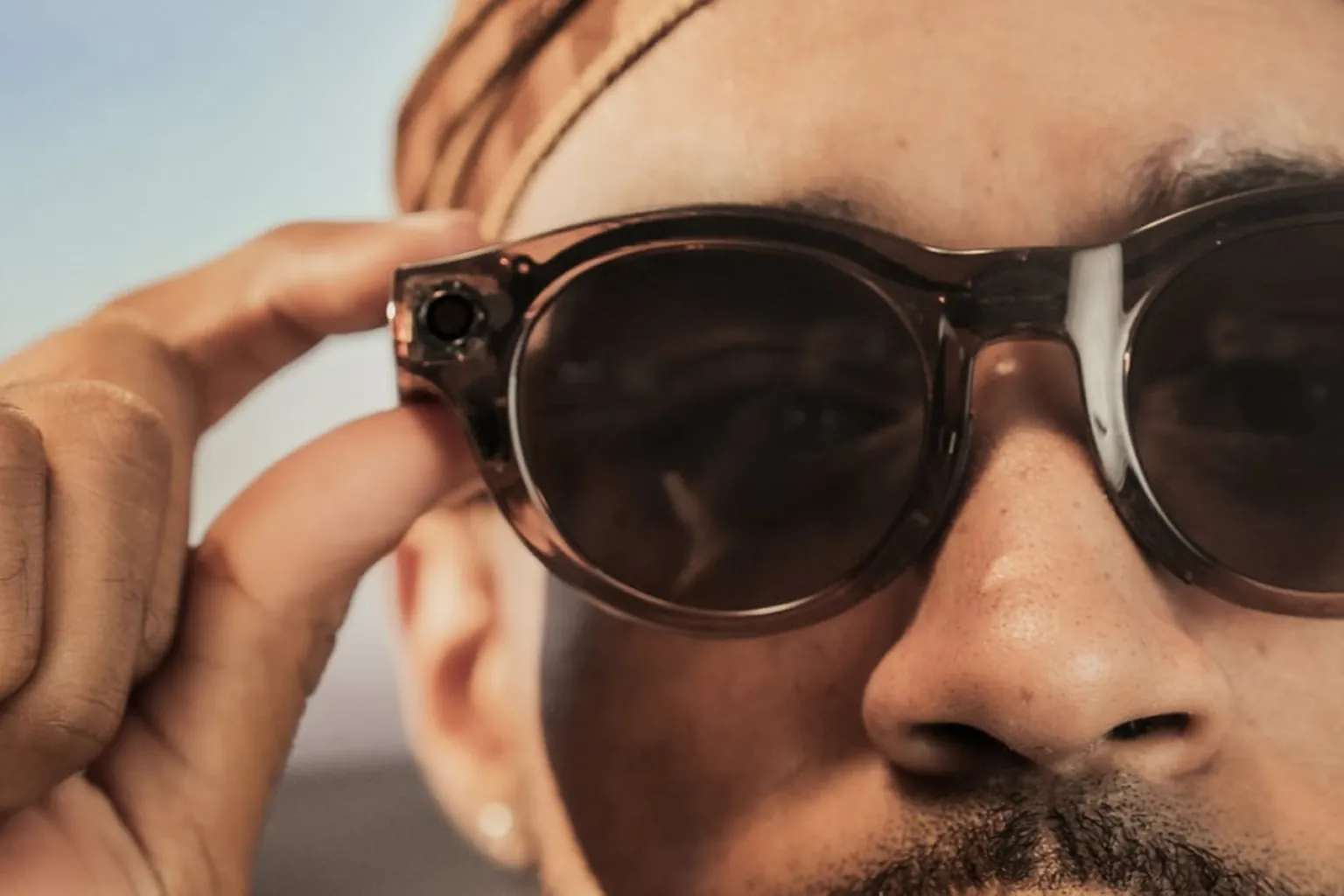
The contrast with camera glasses is sharpest exactly where Servola's readers operate. A camera on a colleague's face turns every meeting room and shop floor into a recording device, and under the UK and EU GDPR that is a consent question before it is a product feature, one the Information Commissioner's Office already frames as workplace-monitoring risk. Meta has spent the past year answering exactly those questions. A pair of glasses that cannot film sidesteps the bystander-consent objection entirely, which is why more than half of Even's buyers are professionals aged 30 to 50 and roughly one in three is a company executive.
What an operator should take from it
The lesson is not that cameras are finished, it is that two form factors are separating and they answer to different buyers. Capture-first glasses chase consumers who want to film and post. Display-first, camera-free glasses chase the professional who needs information in the eyeline and has to clear a privacy review before anything reaches a team. In a European workplace the second device is the one that survives that review.
For anyone weighing frontline or field wearables, the practical filter is not which glasses have the best camera but which can be deployed without a data-protection fight. A one billion dollar valuation for the no-camera bet is the market pricing that filter in. The best hardware is the hardware your compliance officer will approve, and right now that is the pair that cannot see.
Read next: Your Watch Neighbor Never Agreed to This | Second LED Patch, Same Unanswered CNIL Objection