What shipped, and what leaked
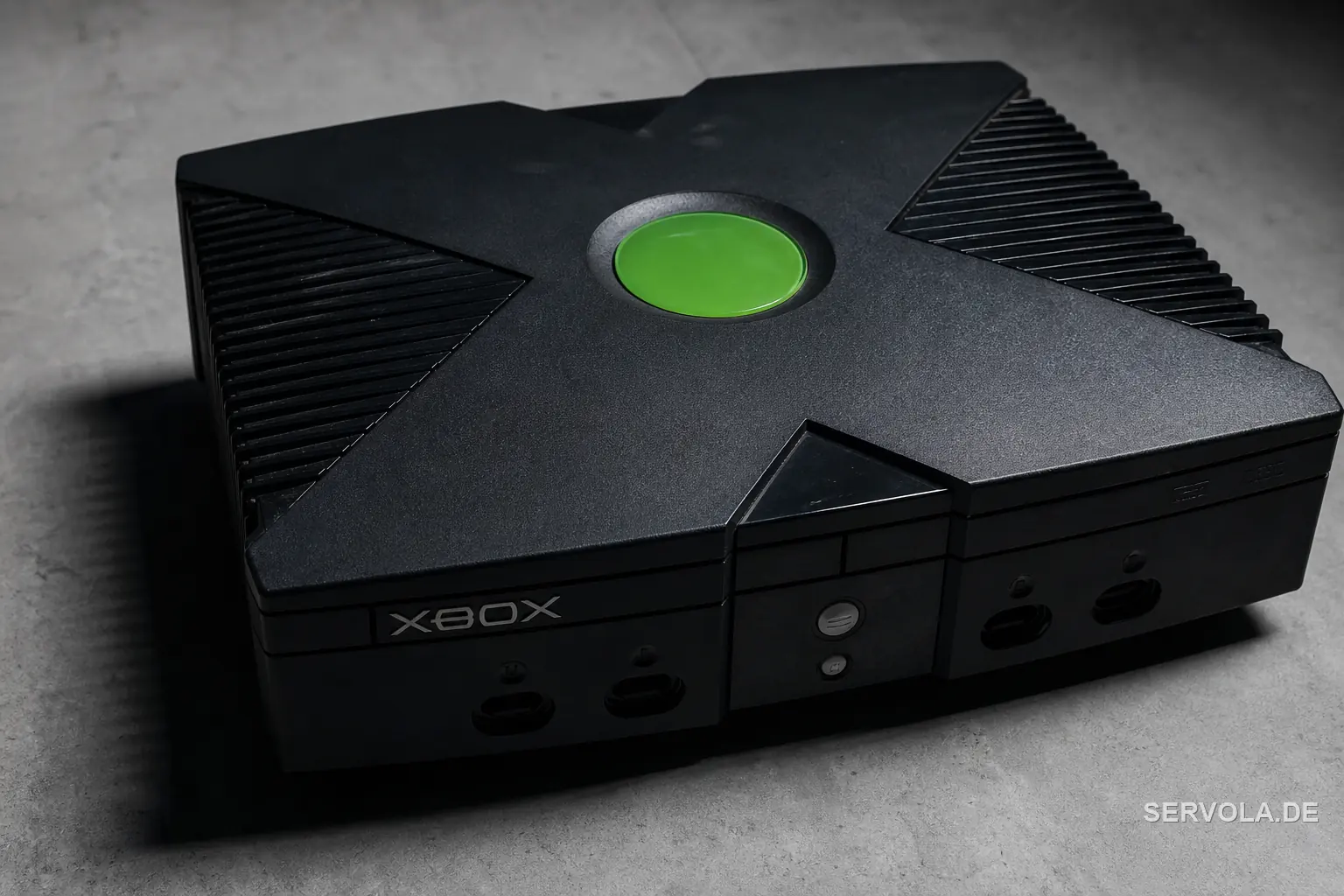
Two things happened here and they deserve separate treatment, because one is announced and shipping while the other is a document. The shipped part: Microsoft has brought Xbox backward compatibility to PC and to compatible Windows handheld devices, with four original Xbox titles playable at the start. They are BLiNX The Time Sweeper, Fuzion Frenzy, Crimson Skies High Road to Revenge and Conker Live and Reloaded. That is a small list, and it is a real product rather than a plan.
The leaked part is larger. A Microsoft document sent to game developers and reviewed by The Verge describes Xbox 360 titles running on the next-generation console codenamed Project Helix, on Xbox-branded PCs and on handheld devices, rolling out from 2027 to 2028 across next-generation hardware. The same document points to a full launch of original Xbox games on PC in October 2026. The rollout is described as gradual, which is the document's own way of saying that only part of the catalogue arrives at first.
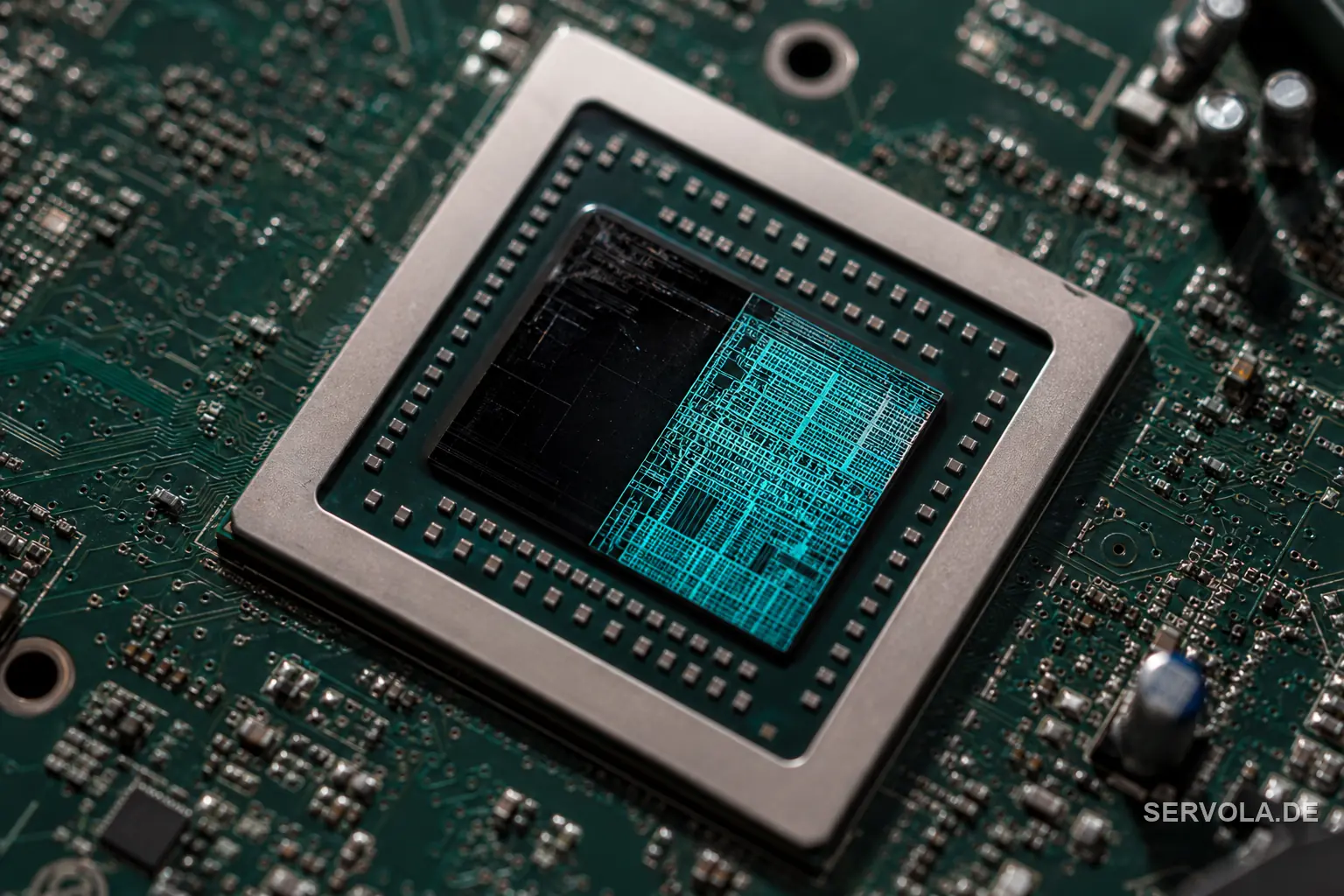
Around both sits Microsoft's public position, stated at GDC in March by Jason Ronald, VP of Next Generation Xbox. Project Helix is designed to play Xbox console and PC games, is powered by a custom AMD SoC under a multi-year partnership, and comes with a commitment to keeping games from four generations of Xbox playable for years to come. Developer alpha hardware begins shipping in 2027. Ronald has since confirmed that Helix will be sold as a first-party Xbox console, ending speculation that third-party manufacturers would build it under licence.
Microsoft is absorbing the part that was never the obstacle
Read the terms rather than the headline. Under the programme described in the document, publishers opt each title in. Microsoft then handles the engineering work, the certification and the ongoing support. The publisher retains control over licensing, over pricing, and over whether the game appears on Game Pass. Strip away the branding and that is a company offering to do all of the work for free in exchange for a yes.
Consider what that reveals. If a platform holder is willing to absorb the entire technical cost of bringing a twenty-year-old title to modern hardware, the technical cost is not what has been keeping those titles off the market. Emulation of that era is well understood, Microsoft has been doing it since the Xbox One, and the company clearly has the engineering capacity. The reason your favourite 2007 game is not purchasable has almost never been that nobody could make it run.
The actual constraint is consent. Every title needs a rights holder willing and able to say yes, and the value of Microsoft's offer is precisely that it removes every excuse except that one. What remains after you remove cost, effort and risk is the question of who owns what, whether they can prove it, and whether they can be bothered. That is a legal and commercial question wearing an engineering costume, and this programme is the clearest demonstration of it anyone has published.
The catalogue that returns is the catalogue with clean rights
This is where the consequence lands, and it is predictable enough to plan around. The titles that come back will skew heavily toward games whose rights sit in one place: first-party Microsoft properties, studios that still exist under the same corporate parent, and original IP with no licensed components. Conker and Fuzion Frenzy are not a random opening selection. They are Microsoft's own.
The titles that stay gone will skew just as heavily in the other direction, and the pattern is consistent across every re-release programme the industry has run. Games with licensed music lose their soundtrack rights after a fixed term, usually five to ten years, and re-clearing a soundtrack of thirty tracks costs more than the re-release will earn. Sports titles carry league, club and player-likeness licences that expired long ago. Games built on a licensed car marque, film or comic property need the licensor to agree again. Games from studios that were dissolved, sold in pieces, or wound up in an insolvency have rights chains nobody can now reconstruct at reasonable cost.
The honest framing for a buyer: backward compatible describes the machine, not the library. The guarantee Microsoft is making is that the hardware can run these generations, and it is a real guarantee that is worth something. It is not, and has never been, a guarantee that any particular game will be available to purchase. Those are different promises, and the marketing for every console generation has blurred them.
What to do, on either side of the transaction
If you buy games, act on the distinction above. A purchase in a digital storefront is a licence to access, and its lifespan is set by the rights underneath it rather than by the hardware in front of you. Where a title genuinely matters to you and a physical or DRM-free edition exists, that edition is the version that survives a licensing lapse. Where it does not, treat availability as temporary and price it accordingly, which mostly means not paying a premium for a promise of permanence that no platform is actually in a position to make.
If you hold rights, this is a deadline with a revenue number attached. The 2027 to 2028 window described in that document is when publishers will be asked to opt in, and the ones who can answer quickly will be the ones who already know what their old contracts permit. Pull the agreements for anything you licensed into a game between roughly 2005 and 2010, whether that is music, a marque, a likeness, an engine or middleware, and check for a clause covering digital re-release on platforms that did not exist when it was signed. Many contracts from that period are silent, and silence means renegotiation.
The wider lesson generalises past gaming, which is why it is worth an operator's attention even if no part of your business touches a console. Any product assembled from licensed components inherits the shortest licence in the stack as its effective lifespan. That is as true of a software product bundling third-party libraries or a media archive built on stock footage as it is of a 2007 racing game. The organisations that can still sell their back catalogue in twenty years are the ones that wrote the re-release clause in when nobody thought it mattered.
Read next: Xbox Cloud Gaming Gets a Meter in November | Microsoft's Quarterly Profit Beat Xbox's Whole Year