Flower Labs Ships a Model Built to Leave the Cloud
Flower Labs released Endeavor 1.0 on September 1, 2026, and the company's own blog post - authored by chief scientist Nicholas Lane alongside colleagues Lorenzo Sani and Yan Gao - describes it as "a frontier-class generalist for reasoning, coding, and long-horizon agent work, available through Flower or for private deployment." That second option is the actual product: an organization can run Endeavor on its own servers instead of calling a hosted API, and the model is built around federated learning, a training method that lets a model improve across data held in separate locations without any of that data leaving those locations.
The practical claim is that a hospital, a bank, or a government agency can use a frontier-class model without shipping patient records, transaction histories, or classified material to a third party's cloud. Flower Labs has offered a version of this pitch since its founding in 2023, when it built an open-source framework for federated learning; Endeavor is the company's first attempt at pairing that infrastructure with a model good enough to compete with the general-purpose systems most enterprises already default to.
Who Flower Labs Is, and Who Is Paying Attention
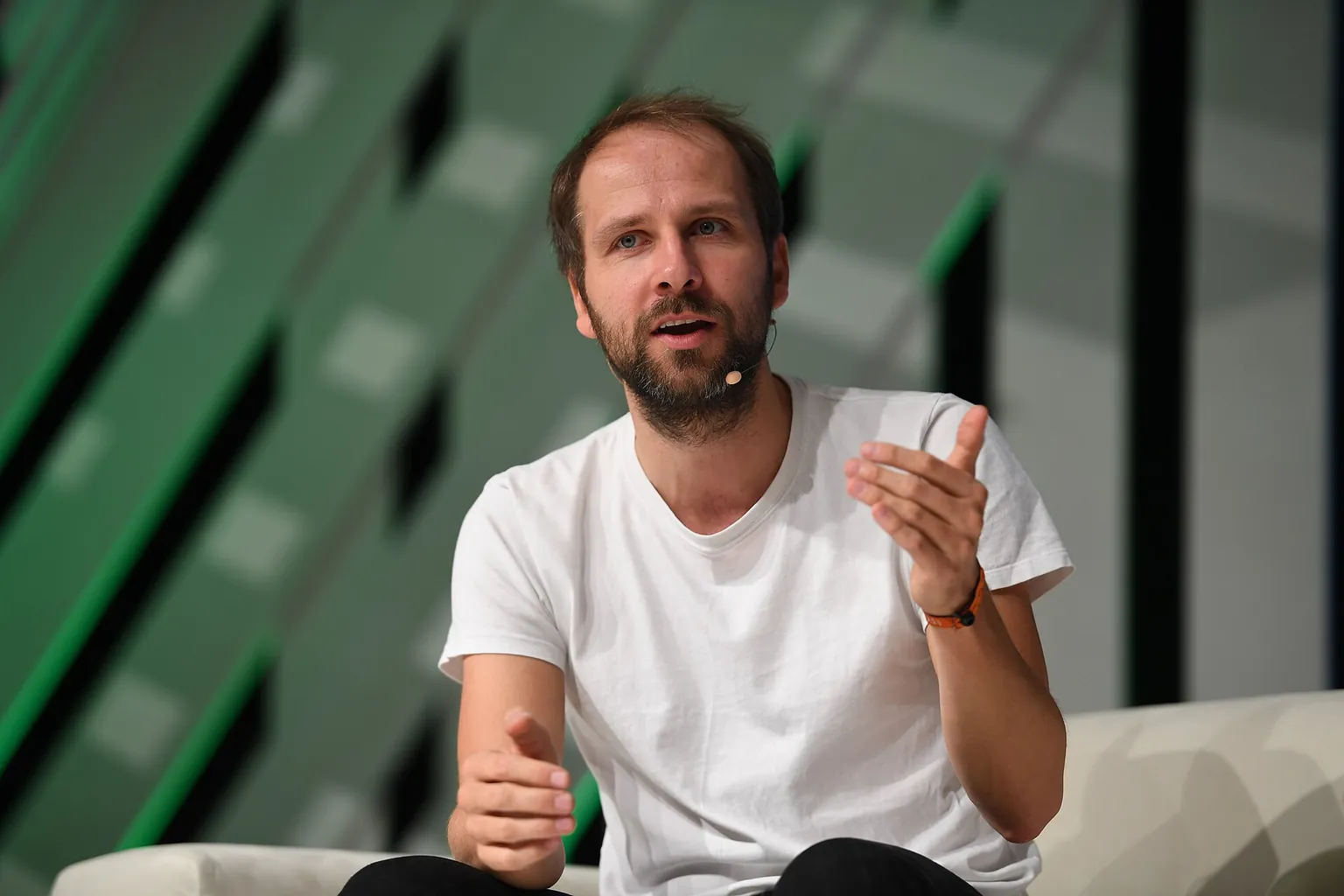
Flower Labs is a Cambridge University spinout with offices in London and Hamburg, founded by a team that includes Y Combinator alumni, and it has raised roughly 23 million pounds since 2023 according to reporting on the launch. Nicholas Lane, the company's co-founder and chief scientist, holds a professorship in machine learning at Cambridge and put the company's pitch in explicitly political terms at launch: "Europe should not have to rent its intelligence indefinitely from a handful of US companies."
The company names the NHS and JP Morgan as clients or pilot partners. Both operate under data protection or data-locality rules that make cloud-only AI harder to justify internally, and both are the kind of buyer whose procurement teams ask, before anything else, where the data goes.
What Running Your Own Frontier Model Actually Involves
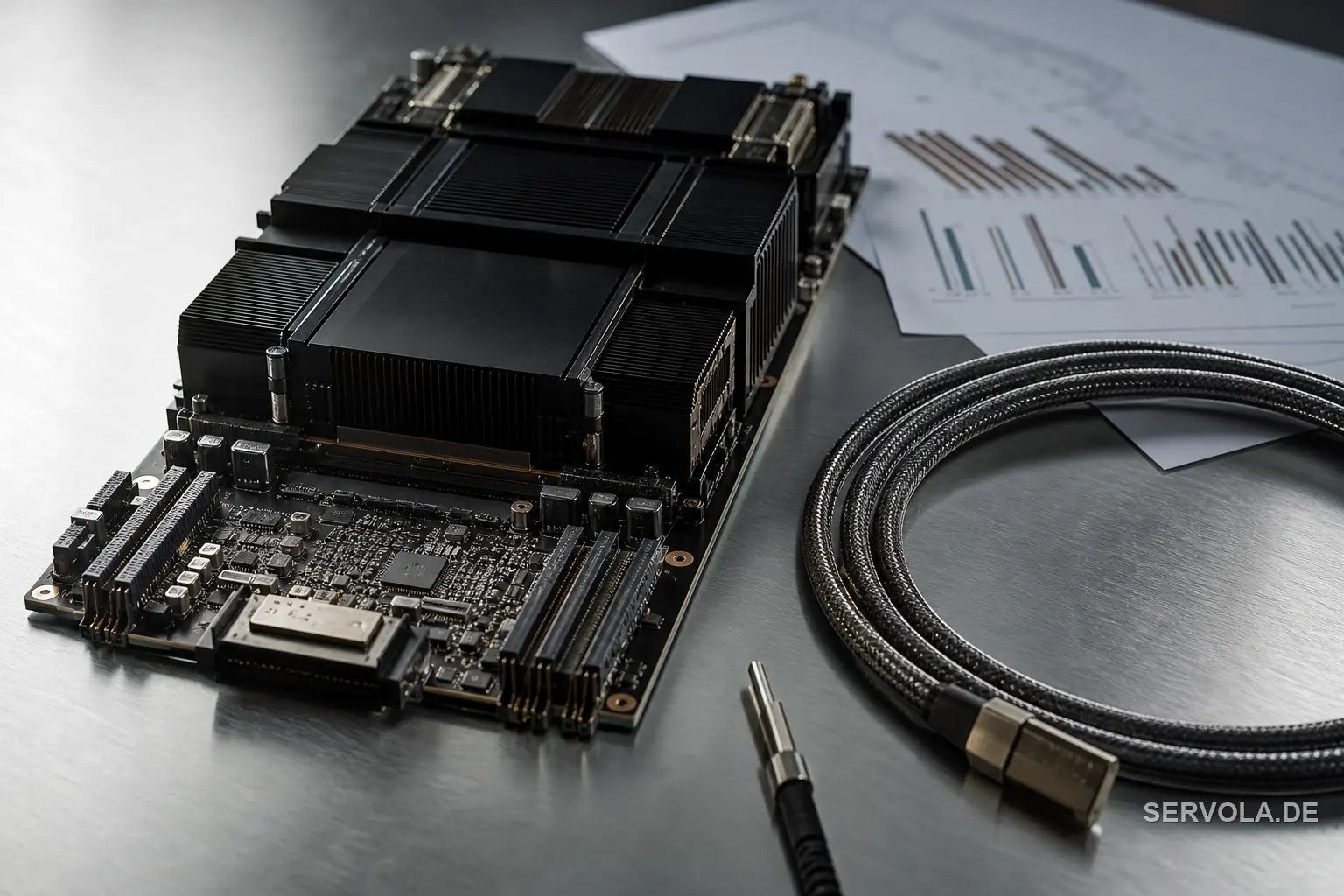
A cloud API subscription hides its operational cost inside a monthly bill; self-hosting a frontier-class model moves that cost onto the buyer's own balance sheet and payroll, and that is the real decision an owner is making when they consider Endeavor over GPT-5.6 Sol or Claude Fable 5 through a standard API. Running inference for a frontier-scale model on-premises means owning or leasing the accelerators to serve it, staffing the machine-learning operations team that keeps it patched and updated, and building the federated-learning coordination layer that lets multiple sites or departments contribute to training without pooling their raw data in one place.
None of that is unique to Flower Labs; every "sovereign AI" vendor selling on-premises deployment is asking a buyer to trade a predictable subscription for a capital and staffing commitment that only pays off if the model stays useful for years, not months. The federated-learning piece adds a further layer most buyers have not had to evaluate before: proving that the coordination protocol which keeps a hospital's data in the hospital actually holds up against a determined attacker or a careless misconfiguration, not just against Flower Labs' own marketing description of it.
The Benchmark Numbers Have No Independent Source Yet
Flower Labs says Endeavor matches OpenAI's GPT-5.6 Sol and Anthropic's Claude Fable 5 on some tasks and outperforms Moonshot's Kimi K3 on others, and every one of those comparisons currently rests on Flower Labs' own testing. No independent benchmark organization has published a reproduction of these results as of this writing, and the company's launch materials do not specify which benchmark suites, task categories, or evaluation conditions produced the parity and outperformance claims.
That gap matters more for Endeavor than it would for a purely cloud-hosted model, because a buyer evaluating on-premises deployment cannot simply cancel a subscription if the model underperforms after a few weeks of live use; they have already committed hardware and integration budget before they can run their own comparison at scale. The NHS and JP Morgan references function the same way: they are a real credibility signal, since both organizations have reasons to be conservative about vendor claims, but the relationships are described by Flower Labs itself, and neither institution has published its own account of results.
The Sovereignty Argument Is the Product, and It Still Needs Verifying
Nicholas Lane's framing of Endeavor as an answer to renting intelligence from American companies places Flower Labs inside a live European policy argument, not just a product category, and that framing is doing real commercial work: it gives public-sector and regulated-industry buyers a vendor whose entire pitch matches a procurement preference several EU governments have already stated out loud. That context makes Endeavor's launch a genuine data point in the sovereign-AI debate rather than another funding announcement dressed up as one.
It does not make the underlying claims verified. A buyer weighing Endeavor against a hyperscaler subscription still has to answer two separate questions before committing budget: whether the model performs as claimed on their own workloads, and whether the operational cost of running it themselves is lower than what they are already paying for convenience. Flower Labs has given the market a real product to test those questions against; it has not yet given anyone outside the company the evidence to answer them.
Read next: Domyn's $1.1bn AI Buildout Is 90% Debt | Dutch Tax Agency Moves Its Mail Off Microsoft 365