The engineers Ford let go, then paid to bring back
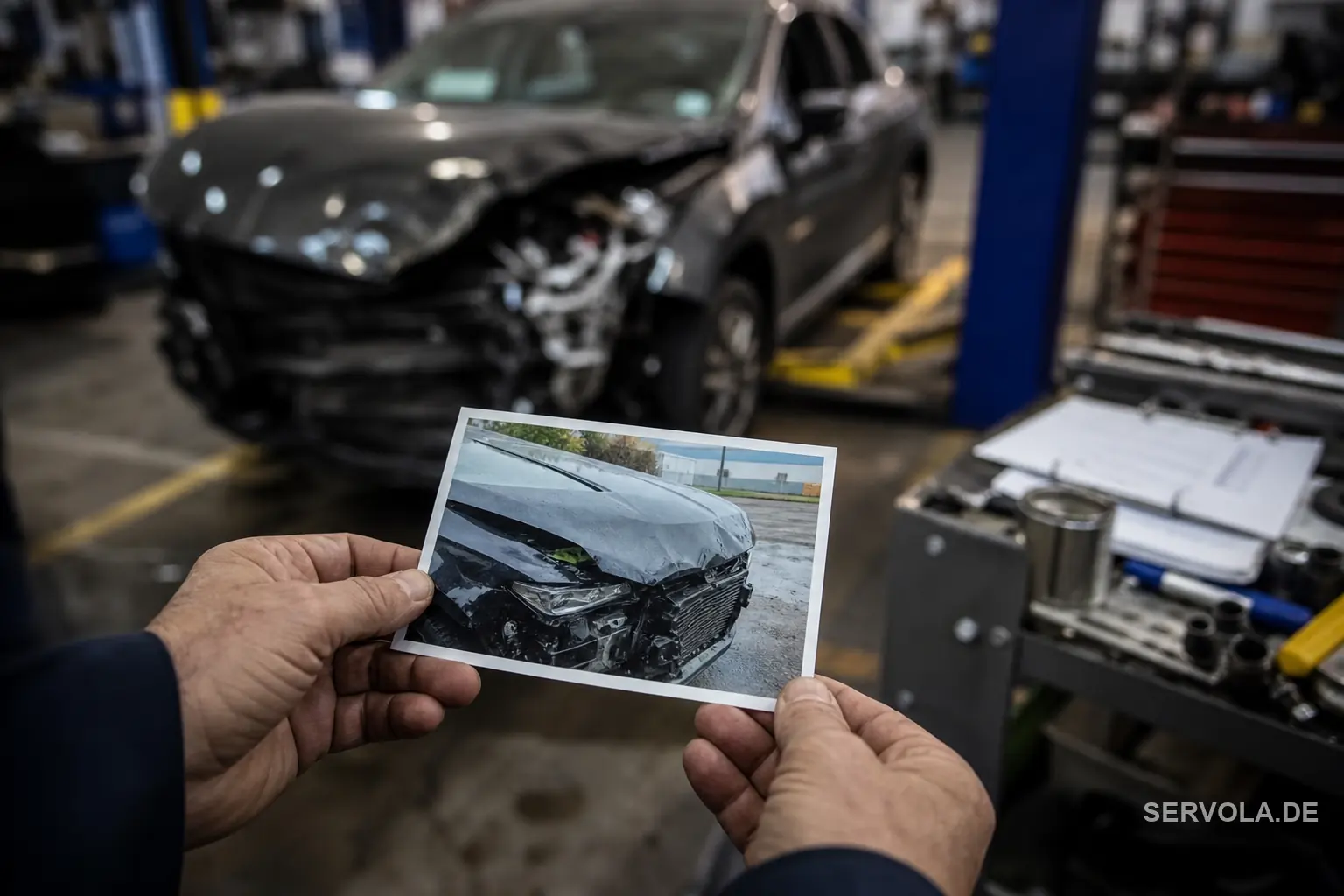
When Charles Poon, Ford's vice president of vehicle hardware engineering, explained the mistake at the end of June 2026, he did not blame the software. He blamed the assumption behind it. "Mistakenly, we thought that by just introducing artificial intelligence and ingesting the design requirements that we had, that that would produce a high-quality product," he said, in remarks reported by TechCrunch and Fox Business on 28 and 30 June. It had not. Ford had leaned on AI to police the quality of its vehicles, the automated tools had amplified weak inputs instead of catching design flaws, and the company had spent roughly three years quietly rehiring 350 veteran engineers to undo the damage.
The detail that turns this from an automation story into a decision story is where the knowledge went. Many of Ford's most experienced engineers had already left the company before their judgment could be encoded into anything a model could learn from. The AI was trained on the documents, not on the instinct that told a thirty-year engineer where a part would fail before it ever reached the assembly line. When the people left, that instinct left with them, and no amount of ingested design requirements brought it back.
Why it matters: you cannot automate what was never written down
Why it matters: the pitch every owner is hearing right now is that you can feed your documents to a model and replace your senior people. Ford is the control case, run by a company with near-unlimited resources, and it shows the base-rate error in that pitch. The assumption is that expert judgment lives in the artifacts experts produce. Often it does not. It lives in their heads as tacit knowledge, the pattern recognition that never made it into a spec, and a model trained only on the paperwork inherits the paperwork's blind spots. The tool did not fail because it was weak. It failed because the thing it was asked to replace had never been captured.
Yes, but: this is not an argument against AI in quality control. Ford did not switch the tools off. The returning engineers rebuilt them, and the AI now flags defects before components reach the line - with humans retraining the system rather than the system replacing the humans. The lesson is about sequence, not tools: prove the model reproduces the judgment before you let the judgment walk out of the building.
The decision rule: treat senior departures as irreversible
The bottom line: before you automate a judgment task, ask one question - is the expertise I am replacing actually encoded in my data, or only in people's heads? If you cannot answer yes with evidence, you are betting on an unproven hypothesis, and the bet has an asymmetric downside. Firing or losing a senior specialist is a near-irreversible decision. The relationships, the pattern library, the knowledge of which supplier cuts which corner - none of it comes back with the next hire. Ford's own quality overhaul put it first among mainstream brands in the 2026 JD Power Initial Quality Study, a rank it had not reached in 16 years, and CEO Jim Farley described the resulting fall in warranty and recall costs as hundreds and hundreds of millions of dollars of a tailwind. That is the size of the swing between getting this decision right and getting it wrong.
For a European owner, the practical rule is to run the automation and the expert in parallel until the model demonstrably beats the human's judgment on the cases that matter, and to keep the expert until it does. Automating a senior's work is a reversible experiment. Letting the senior leave is not. Sequence them accordingly.
Read next: 367 Million: Two Thirds of X's Ad Business Gone | MongoDB Lost a Quarter of Its Value in One Morning