What Worldmodeldata is actually selling
On 6 July 2026 the Cambridge company Worldmodeldata came out of stealth with a 7 million pound seed round led by Iona Star Capital, and named former Meta policy lead Lord Richard Allan as chairman. Its product is not a game or a model but a supply of data: licensed gameplay, aggregated and structured, sold as training material for AI world models. It has set a target of one million hours in its library by the end of 2026 and, by its own account, has not yet signed a customer.
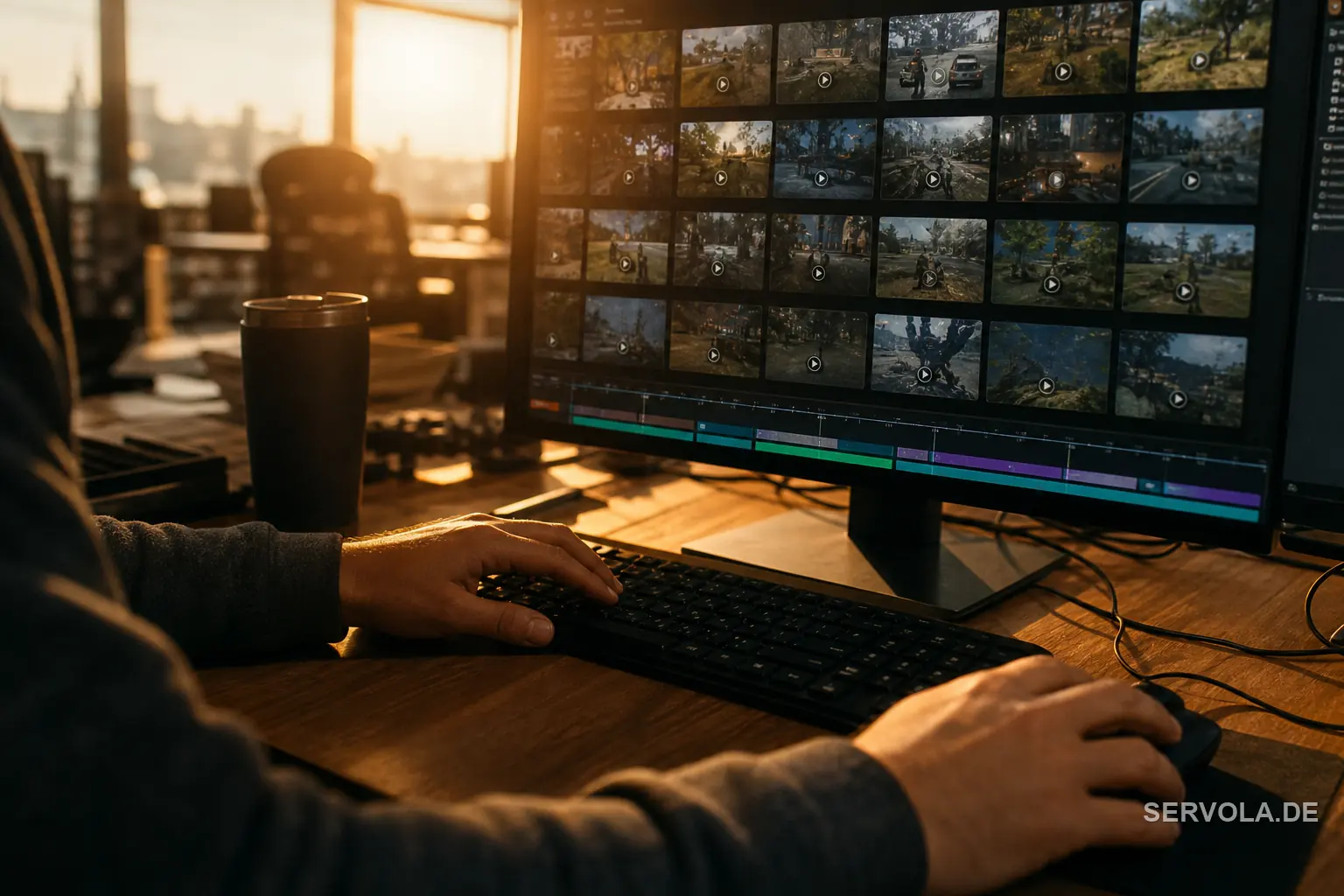
The reason this data is valuable comes down to what a world model needs. Where a chatbot reacts to text, a world model tries to predict how an environment changes when you act on it, which demands a rare pairing: an action, and the consequence that follows, aligned frame by frame. Modern games generate exactly that, real human choices inside complex, reactive environments, and Worldmodeldata says it acquires the material through formal licensing that lets studios and players monetise their own gameplay rather than through the web scraping that has drawn so many lawsuits.
Why a 7 million pound seed is the wrong number to watch
Taken alone, a 7 million pound round with no customers is a modest bet. The number that matters sits next to it: a competitor, General Intuition, has raised 454 million dollars for the same gaming-data thesis, and another entrant, Origin Lab, has taken 8 million dollars. When one idea attracts that spread of capital in the same quarter, the market is not funding a single startup; it is pricing a new asset class, gameplay as feedstock for embodied and agentic AI, and betting the open web no longer holds enough of the action-and-consequence data these systems need.
That is the non-obvious implication. The web has been scraped close to dry, and the next wave of AI, robots, agents, simulation, needs data the web never contained. Games are one of the few places that data already exists at scale and with a rights holder to negotiate with. The contest now is less about who trains the best model and more about who secures the cleanest licensed supply of this data, which is why a small Cambridge seed and a nine-figure raise are really the same story told at two volumes.
What this puts on a European operator's desk
If you run or hold a games studio, the first-order change is that your back-catalogue and your players' recorded sessions are now a licensable asset, not just a product you shipped. Before a buyer arrives with a term sheet, settle who actually owns the training value in that gameplay: the studio that built the world, the player who acted in it, or the engine vendor underneath. Under UK and EU copyright and data rules the answer is not automatic, and a licence signed without that clarity can be worth far less than it looks, or expose you to a claim later.
The wider stake is where this value is captured. Europe writes strict rules on data and copyright, and the UK is diverging from them post-Brexit, so the terms on which gameplay can be licensed will differ across the market you sell into. A studio that treats its data rights as deliberately as it treats its intellectual property can turn this into a revenue line on its own terms; one that ignores the question will find the value licensed out from under it by whoever moves first with a cheque.
Read next: Bit Reactor's Hit Game Shipped After an 80% Furlough | One Missed Deadline Broke Two of Apple's Promises