A Four-Year Case Ends With A Deadline
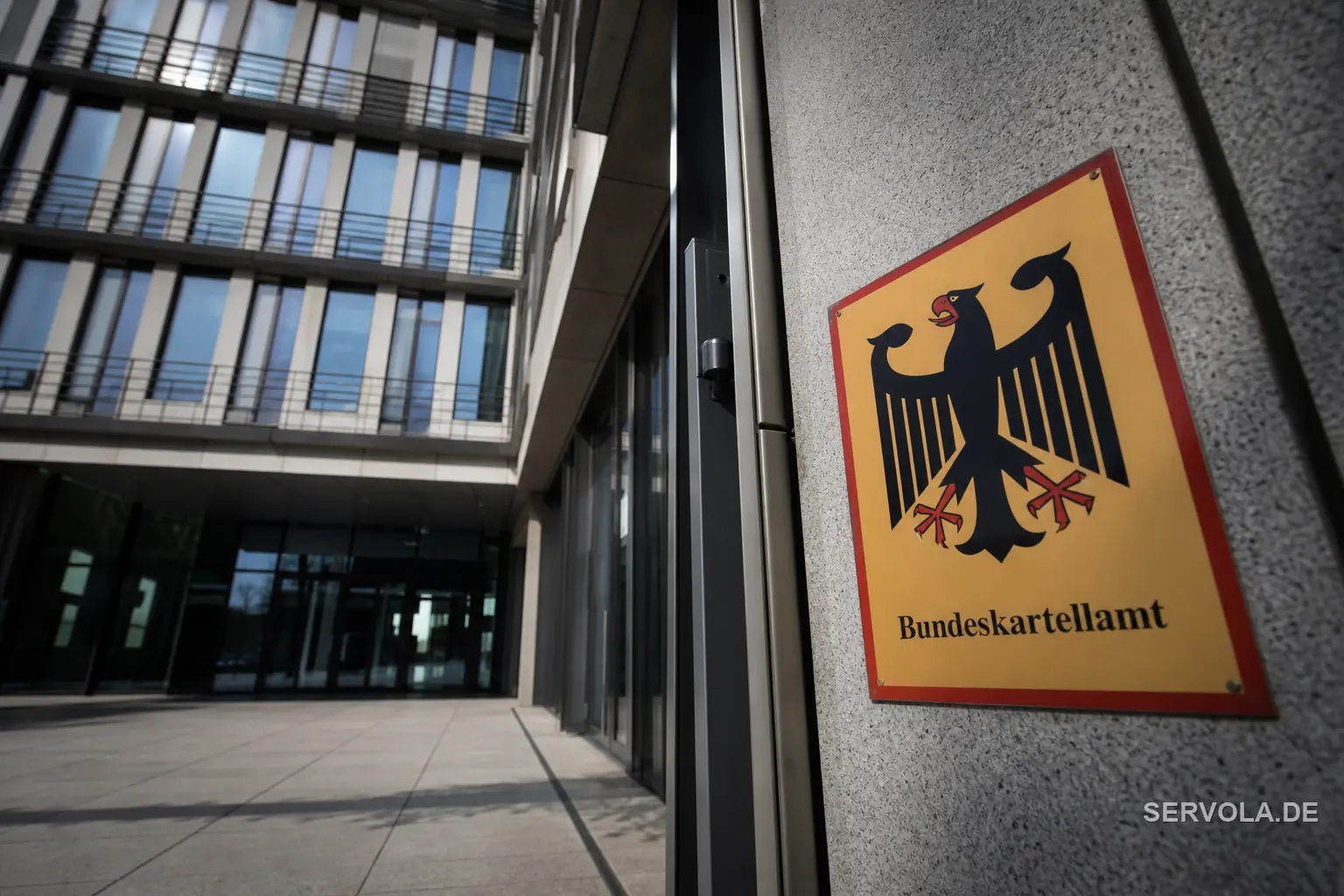
Germany's Bundeskartellamt closed a four-year antitrust case against Apple on 17 August 2026, declaring the company's commitments under its App Tracking Transparency framework legally binding. The case opened in June 2022, moved to a preliminary assessment in February 2025, and passed through a market test in December 2025 before this decision. Apple now has four months from formal service of the ruling to implement the agreed changes, and an independent monitoring trustee will check compliance for seven years afterward.
The regulator's complaint was narrow and specific: Apple runs two different consent prompts on the same phone, one for its own advertising and one that third-party apps must show under the ATT rules Apple itself designed. "If Apple sets up additional rules within its ecosystem for data use, these rules must not treat its own offerings better than competitors," said Bundeskartellamt president Andreas Mundt. "Users who do not wish to allow their data for personalized advertising must make equally free decisions as those consenting."
What Was Actually Wrong With The Prompt
Since ATT launched in 2021, third-party publishers have argued that Apple's own consent request looked and read differently from the one Apple forces them to show, in ways that nudged users toward declining tracking for everyone except Apple. The Bundeskartellamt's decision confirms the shape of that asymmetry and orders four fixes. Apple must remove symbols and wording from its own predefined prompt that discourage consent when the same choice is offered to a third party. Both prompts must be neutral in content, wording and visual design. The current consent architecture, which publishers have called needlessly complex, has to be simplified. And publishers get two new freedoms: they can combine Apple's required tracking prompt with their own data-protection consent requests in a more user-friendly flow, and they can explain, inside the prompt itself, why personalized advertising matters to their business model.
That last point is the one worth underlining. Apple is not being made to promote tracking. It is being stopped from writing the only version of the argument a user ever sees before declining it.
Why This Reaches Beyond Germany
Apple has said the changes will extend to almost all European Union countries, not just Germany, which matters because the Bundeskartellamt does not operate in isolation. Germany's decision was coordinated through the European Competition Network, the forum national regulators use to align enforcement, and it lands on top of the EU's own Digital Markets Act framework that already treats Apple as a gatekeeper. A national antitrust ruling that produces an EU-wide product change is exactly the pattern DMA architects hoped for: one capable regulator moves first, and the fix ships bloc-wide because Apple has no practical way to run one consent design in Germany and another everywhere else.
What An App Owner Should Do Now
If your app runs on iOS and depends even partly on personalized advertising revenue, the four-month clock that started today is your clock too. Watch for Apple's implementation guidance rather than trying to anticipate the exact new prompt design, since App Store review will ultimately gate what ships. But prepare your side now: draft the plain-language explanation of why personalized ads matter to your product, the message the new rules explicitly allow you to show inside the consent flow, because it is the first genuine opportunity since 2021 to make that case to a user before they decide. If your opt-in rate has been flat near its post-ATT floor, this is the lever, and it arrives with a trustee watching for seven years to make sure Apple does not quietly narrow it again.
Read next: A UK Claim Just Priced the ATT Design Germany Already Fixed | Apple's Tracking Prompt Now Runs on a Four-Month Clock