What flipped on 1 July
The trigger was a date. From 1 July 2026, any data centre newly put into operation in Germany must be built and run to a PUE of 1.2 or better and to an Energy Reuse Factor of at least 10 percent, the share of its total energy that leaves the building for productive use elsewhere. That reuse threshold climbs to 15 percent for centres starting in 2027 and 20 percent for those starting in 2028.
The requirements do not stop at new builds. Existing centres commissioned before that date must hit a PUE of 1.5 by July 2027 and 1.3 by 2030, every covered site above 300 kW must source 100 percent renewable electricity from 2027, and since January 2026 private centres above 1 MW and public ones above 300 kW must run a certified energy or environmental management system. The reuse figure is measured under DIN EN 50600-4-6, so it is audited, not self-declared.
Why heat offtake is now a siting decision
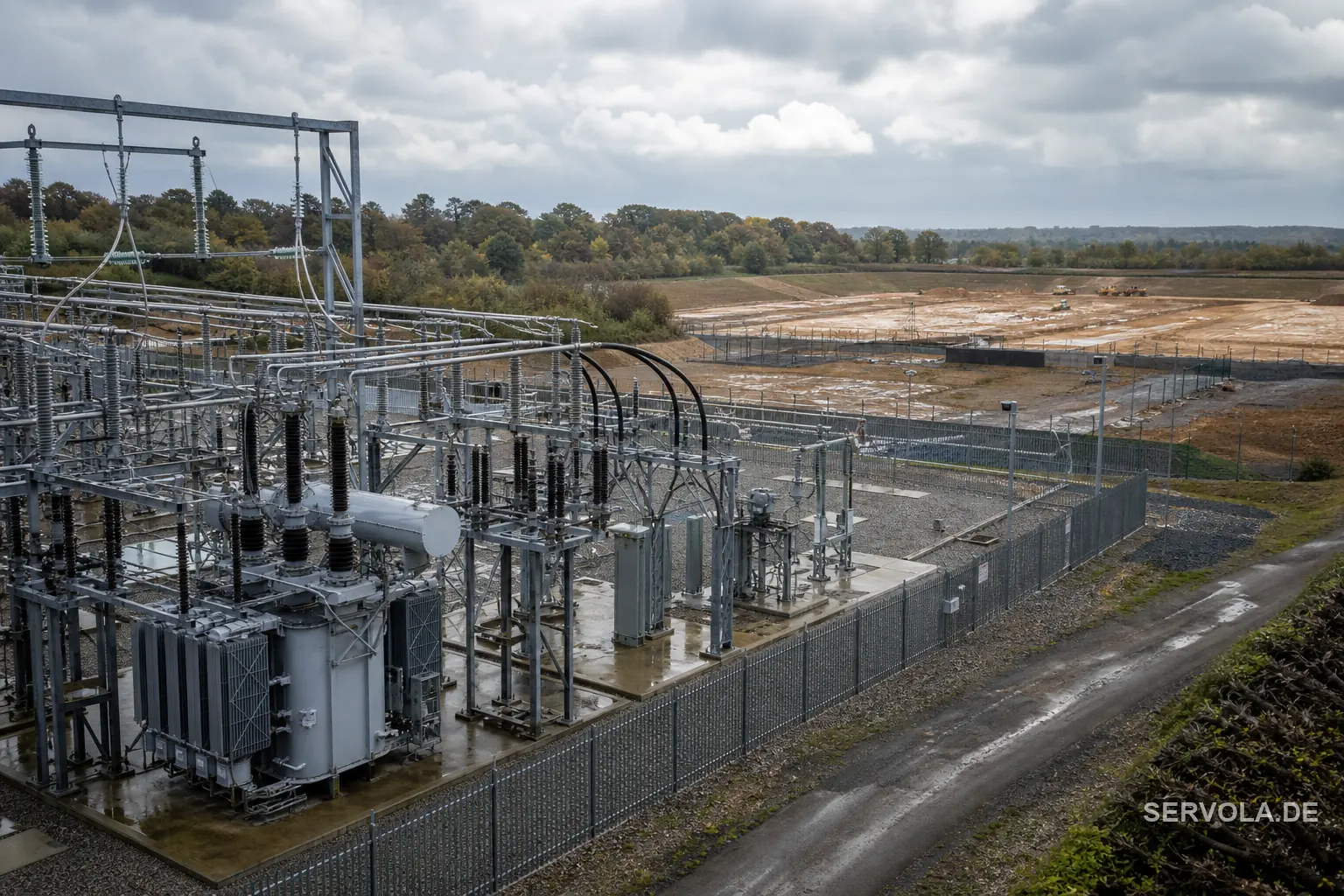
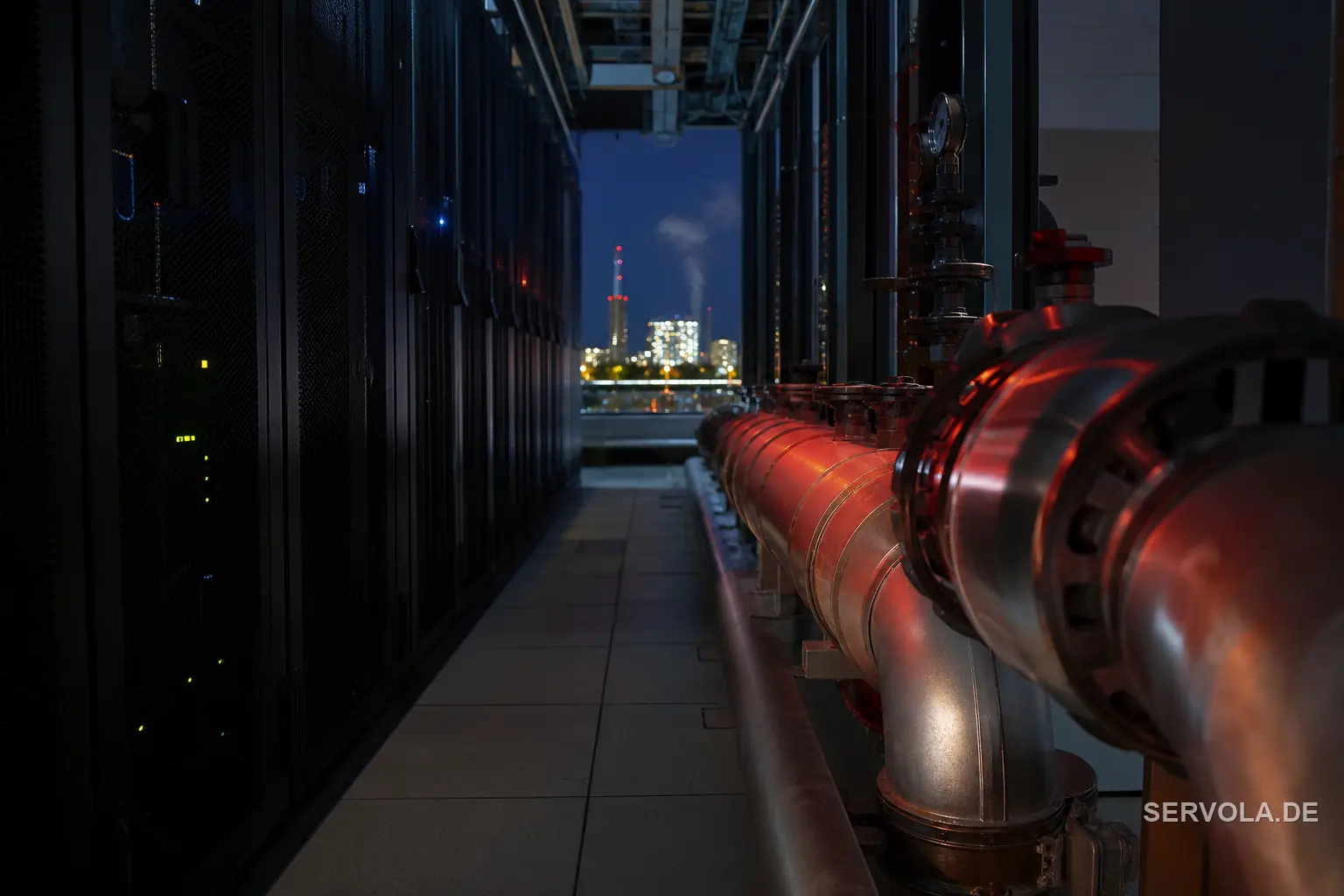
Reusing 10 percent of your heat sounds modest until you ask who takes it. A data centre produces low-grade warm water, and that only becomes reuse if something nearby wants it: a district-heating network, a greenhouse operator, a swimming pool, an industrial process. On a remote plot chosen for cheap land and a fast grid connection, there is often no such customer within reach, and the heat simply goes up a cooling tower.
So the mandate quietly rewrites the siting calculation. The variable that used to decide where you build, cheapest power and land, now shares the table with a second one: is there a buyer for the heat. That pulls new German capacity toward towns and industrial clusters with heat networks and away from isolated fields, and it rewards operators who lock in an offtake agreement before they break ground. The law allows a deferral only where a municipality or utility commits to build a heat network within ten years, or where no local network will accept the heat.
The push to soften it tells you it binds
The clearest evidence that these rules bite is that Germany's coalition is already weighing amendments to relax them, and industry is lobbying for exactly that. Operators do not spend political capital loosening a rule that costs nothing, so the reform fight is a signal: for a real project, heat reuse and the PUE ceiling are binding constraints, not paperwork. Whether the relief arrives, and how deep it cuts, is now its own planning risk to track.
For anyone planning German capacity in the next two years, the practical move is to treat the current text as the baseline and design to it. Confirm heat offtake before you commit to a location, price the recovery equipment and piping into the budget from day one, and watch the amendment process rather than assume it will rescue a site that cannot shed its heat. Germany is the largest data-centre market on the continent, so where it sets the bar tends to shape what neighbouring regulators reach for next.
Read next: The Cities That Built Europe's Cloud Are Now Stuck | One Suspect, 4,200 Megawatts, Germany's Grid Gap