A Reactor That Was Not Supposed to Outlive 2030
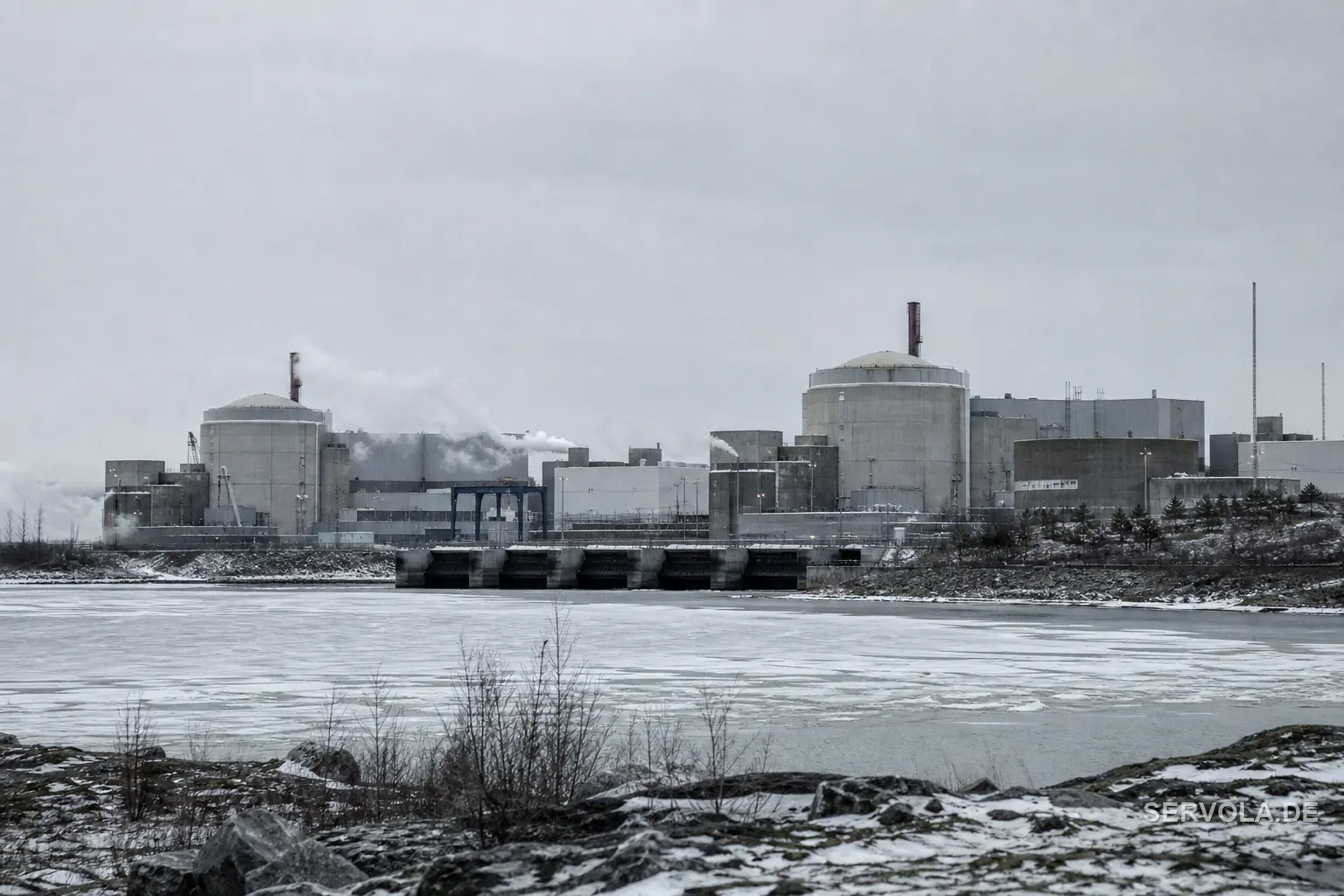
Google signed a 22-year power purchase agreement with Finnish utility Fortum on September 9 for output from the Loviisa nuclear plant, the company's first nuclear life-extension and uprate agreement anywhere and its first nuclear power deal outside the United States. Google will buy a smaller share starting in 2028, rising to as much as 50 percent of the plant's capacity across 2030 to 2049. The deal sits inside a broader 13 billion euro investment Google is making in Finnish data center and grid infrastructure over 2027 and 2028, extending its existing hub at Hamina and building new sites at Kajaani, Muhos and Vaala.
The consequential detail is what happens without the contract. Loviisa supplies roughly 10 percent of Finland's electricity and employs about 580 people, and Fortum has said the plant could not continue operating past 2030 without a funded life-extension program. That program carries a roughly 1 billion euro price tag, with about 700 million euros of it still awaiting a final investment decision. Google's PPA is what gives Fortum the multi-decade revenue certainty to commit that capital, stretching the plant's life to 2050.
The Buyer, Not the Government, Decided
A nuclear plant's life-extension case is normally built on national energy policy and a domestic regulator's economics, not on a single corporate customer's data center roadmap. Loviisa's case flips that: the certainty that unlocks Fortum's capital comes from a 22-year contract with an American cloud company buying power for AI infrastructure, not from a Finnish government mandate to keep the plant open. Nothing in the public record suggests Finland's government sought this outcome or steered it - Google's data center demand arrived, and Fortum's economics needed exactly the kind of buyer that demand created.
| What | Detail |
|---|---|
| Google investment | 13 billion euros in Finland, 2027 to 2028 |
| Loviisa PPA share | Up to 50 percent of plant capacity, 2030 to 2049 |
| Plant life extension | To 2050, from a 2030 cutoff without the deal |
| Fortum capital program | Roughly 1 billion euros, about 700 million still pending a final decision |
The mechanism is ordinary - a power purchase agreement is a standard instrument - but the party providing the certainty is not the one that usually does. A tech company's compute roadmap, not an energy ministry's supply plan, set the terms that decided whether a piece of national grid infrastructure keeps running for another two decades.
The Template This Creates for Other EU Plants
Loviisa is not the only European nuclear plant approaching a life-extension decision in the next several years, and hyperscalers are not slowing their search for firm, carbon-free power that can run a data center around the clock in a way intermittent wind and solar cannot on their own. If Google's deal proves out the economics - a long-dated PPA that turns a plant's operating life into a bankable asset - it becomes a template other aging EU reactors and their operators can point to when their own life-extension case is short on revenue certainty. That shifts a decision that used to sit inside national energy policy toward whichever hyperscaler shows up with the longest contract and the deepest AI power appetite.
That is not necessarily bad for the plants involved, which get a funded path to keep running clean baseload power on the grid. But it means the survival of specific pieces of European energy infrastructure starts depending on corporate AI capacity planning cycles that no EU regulator sets and that can shift with a company's own compute strategy.
What This Means for an EU Industrial Power Buyer
The deal is not only about one reactor. Google's Finland package adds 629 megawatts of contracted onshore wind and a 94 megawatt battery storage system near Kajaani, and Google's own siting modeling found that placing data centers in the Oulu-Kajaani region rather than southern Finland could generate 520 million euros in consumer savings over 20 years by easing grid congestion. For an industrial or commercial power buyer anywhere in the Nordics or the wider EU grid, that is a direct signal that where a hyperscaler chooses to place its next data center is becoming a variable in local grid capacity and price, not just a local jobs and tax story. Watching where AI infrastructure investment lands is now part of reading where baseload power gets built, kept running, or retired.
Read next: America's Data Centers Just Traded Flexibility for a Faster Grid Slot | One Alliance Promises 100 Gigawatts Without Building a Single Plant