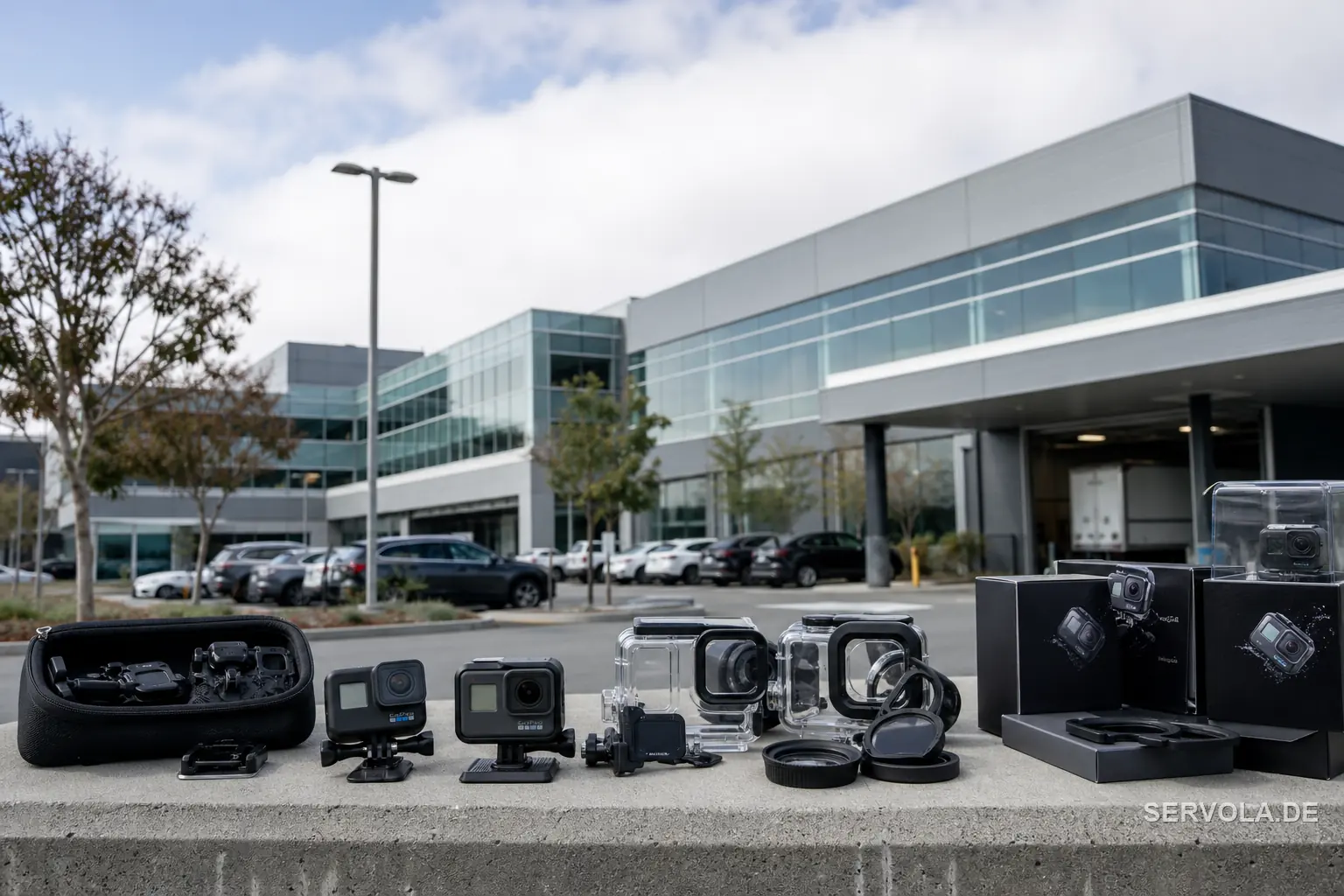
A Debt-Erasing Deal Dressed as a Merger
GoPro and the privately held optical-photonics maker Starman Optical signed a definitive merger agreement on September 1, 2026. GoPro shareholders receive $1.14 per share, an aggregate $285 million in cash, and keep roughly 10 percent of the combined company. GoPro's outstanding debt of about $92 million is repaid in full at closing, leaving the combined entity with a clean balance sheet. The deal has board approval on both sides and is expected to close by the end of 2026, subject to shareholder and regulatory sign-off. GoPro stays listed on Nasdaq throughout.
Look at what the structure actually does before asking what it says. Ninety percent of the company changes hands, GoPro's own shareholders end up as a small minority stake, and the cash payment lines up closely with clearing the company's debt. That is the shape of a recapitalization built around a distressed balance sheet, not a growth buyout paying a premium for a thriving consumer brand. GoPro brought one asset to the table that made the deal worth doing anyway: more than 2,500 US patents in imaging and advanced optics, built over 24 years of making rugged, miniaturized cameras.
The Buyer Builds Defense Optics, Not Vlogging Cameras
Starman Optical makes optical transceivers and related photonics hardware, manufactured domestically rather than overseas. Its stated reason for the deal is to expand into AI data centers, government, defense and aerospace markets, using GoPro's optics patents and manufacturing know-how to build components for those sectors. Starman CEO Charles Tebele said advanced optics and imaging are essential to AI, national security and the broader economy, while the critical hardware behind them is still largely built overseas. GoPro founder and CEO Nicholas Woodman framed the combined company as positioned to grow across consumer, commercial and defense markets as an American imaging and optical solutions company.
Neither statement mentions the Hero camera line as the reason for the deal. The consumer product exists in both companies' public language as something the combined entity intends to keep running, not as the asset being acquired for its own sake. For a buyer chasing defense and AI-infrastructure contracts, a GoPro camera sold to a creator in Berlin or Manchester generates a fraction of the margin and none of the strategic weight of a photonics component sold into a government supply chain.
What Changes for GoPro, and What Does Not
| Before the deal | After the deal closes |
|---|---|
| GoPro shareholders own 100 percent | GoPro shareholders own about 10 percent |
| About $92 million in outstanding debt | Debt fully repaid, clean balance sheet |
| Consumer cameras and subscriptions are the entire business | Consumer line continues inside a defense-and-AI-optics company |
| Public company, Nasdaq-listed | Remains public and Nasdaq-listed |
Nothing here forces GoPro to stop selling cameras tomorrow, and both executives say it will not. But capital-allocation decisions inside the merged company will be made by a board whose growth thesis is optical hardware for AI data centers and defense programs, not vlogging equipment. European buyers of GoPro's Hero cameras, its cloud subscription, and its accessory ecosystem should read this as a business now several steps removed from consumer-camera reinvestment being anyone's top priority, whatever the transition messaging promises today.
Read next: Your LG TV Records You Even When It Looks Off | 159 Layoffs Later, Supercell Owns All of Metacore