The Pixel-Only Problem
GrapheneOS is a hardened, privacy-focused fork of Android, and for the entire decade since the project began it has supported exactly one family of phones: Google's own Pixel line. No other manufacturer's device has ever carried official GrapheneOS support, a restriction the project has held to deliberately rather than by accident.
The reason was hardware, not preference. GrapheneOS requires verified boot with a bootloader a user can still unlock, a firmware update policy the vendor actually honors, and security guarantees that most Android phones simply do not ship with. Pixel was the only line that checked every box, which meant that wanting real hardware-backed privacy on Android meant trusting Google's own device supply chain to escape Google's own software - a single-vendor dependency baked into the very project built to reduce dependency on one company.
What Motorola Actually Confirmed
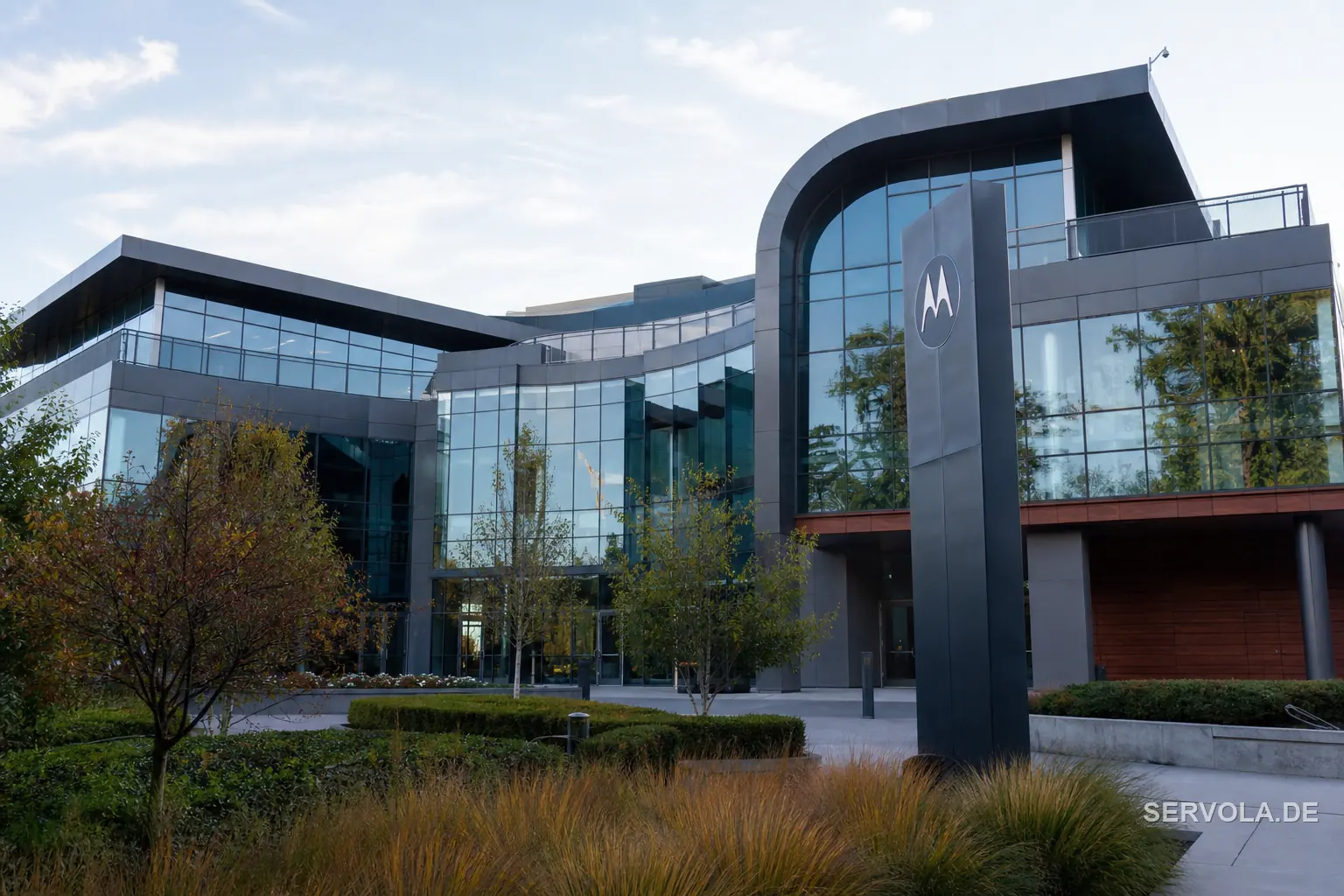
GrapheneOS's official account announced on 24 August 2026 that Motorola is now a confirmed hardware partner, the project's first expansion beyond Pixel since it began. Regular Motorola flagship phones, expected under Motorola's new Signature line, will gain GrapheneOS support starting with 2027 devices; the Razr Fold and Razr Ultra foldables will follow once Motorola ships hardware with the memory tagging extension and secure element GrapheneOS requires, which the 2026 Razr generation does not yet have.
| Device line | First GrapheneOS support |
|---|---|
| Motorola flagship (Signature series) | 2027 |
| Motorola Razr Fold / Razr Ultra | After the 2027 flagship rollout, hardware permitting |
| Google Pixel | Ongoing since GrapheneOS launched |
Both new device lines carry the same seven-year OS update commitment GrapheneOS already applies to Pixel, with Motorola handling a large share of the underlying development work rather than GrapheneOS building support alone. That is a real commitment of engineering resources from a phone maker that has never before had to meet a third-party privacy project's hardware bar.
Why Hardware Diversity Matters More Than the Phones Themselves
The headline device names matter less than what breaking the monopoly actually changes. For a decade, any buyer, IT department, or journalist who wanted GrapheneOS-level device control had exactly one purchasing decision available to them, tied to one vendor's roadmap, one vendor's pricing, and one vendor's regional availability.
A second qualified vendor is the first real test of whether hardware-backed Android privacy can survive one manufacturer changing its roadmap, discontinuing a model, or raising prices. Procurement teams that build device policy around GrapheneOS have spent a decade with zero substitution risk to manage; Motorola's entry is the first structural reduction of that single-vendor risk the project has ever had.
What This Means For Your Next Device Purchase
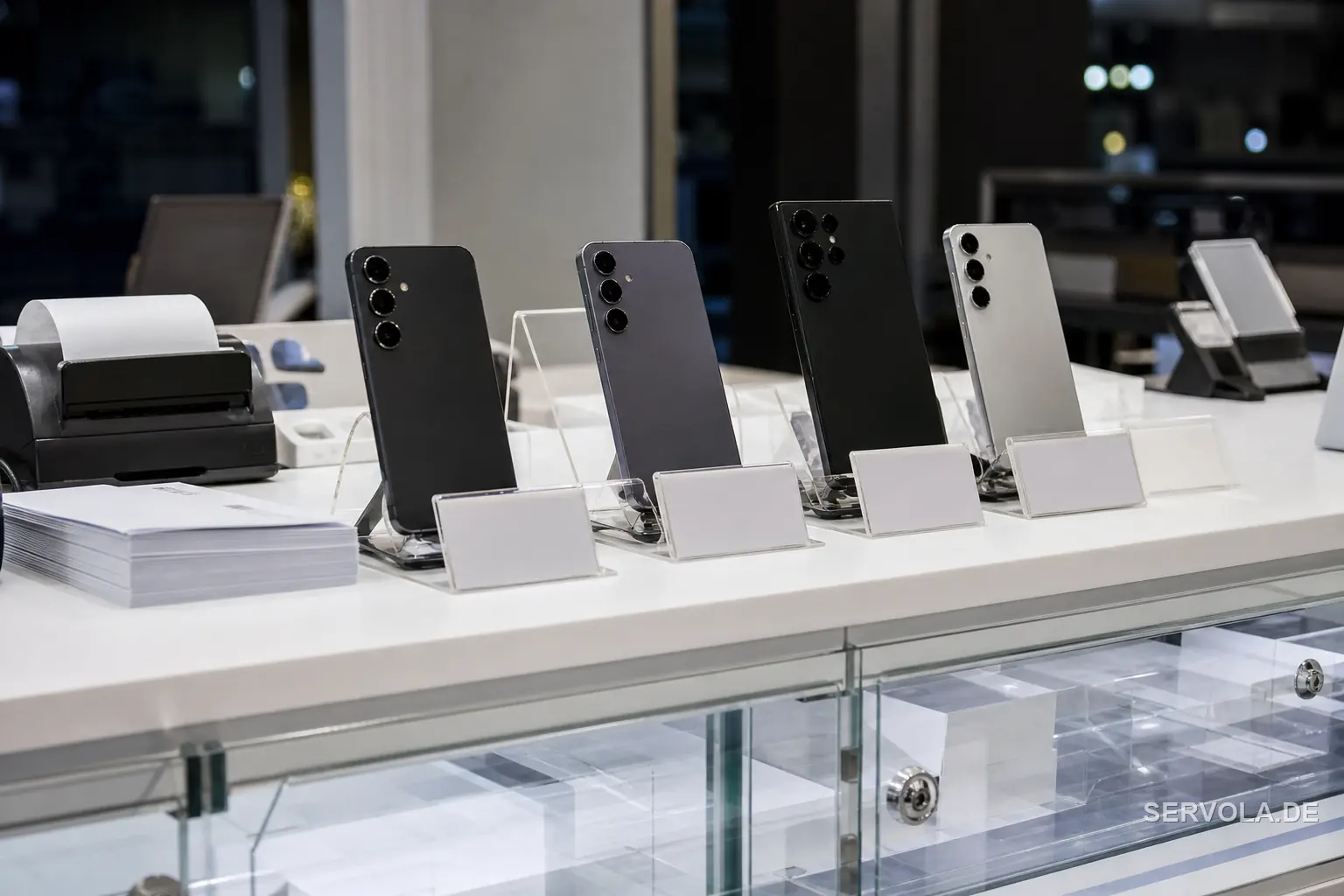
Motorola also solves a distribution problem Pixel never fully fixed: across large parts of Europe, Pixel phones have been sold in limited quantities, at inconsistent prices, or not through official retail channels at all, while Motorola phones sit on shelves in nearly every European carrier store and electronics retailer.
None of that changes what a buyer should do today. Support does not arrive on any device until 2027 at the earliest, and foldables lag further behind that. This is a signal to build into a 2027 device refresh or procurement cycle, not a reason to buy a Motorola phone this year expecting GrapheneOS to run on it.
The Limits of This Announcement
The commitment is real but conditional. Motorola still has to ship phones with the memory tagging extension and secure element GrapheneOS requires, on schedule, which is a hardware and firmware promise, not a shipped product. GrapheneOS itself has flagged that current 2026 Razr hardware does not meet that bar yet.
Cheaper Motorola phones below the flagship Signature tier are not part of this announcement, and GrapheneOS has said longer support commitments would be needed before that changes. What is confirmed today is a roadmap and a partnership, not a device on sale - the monopoly is broken on paper first, and on shelves in 2027.
Read next: Wiping a Phone at the Border Is Now a Criminal Charge | Google Assistant Shuts Down September 4 for Gemini