The Bottleneck Inside Every AI Rack
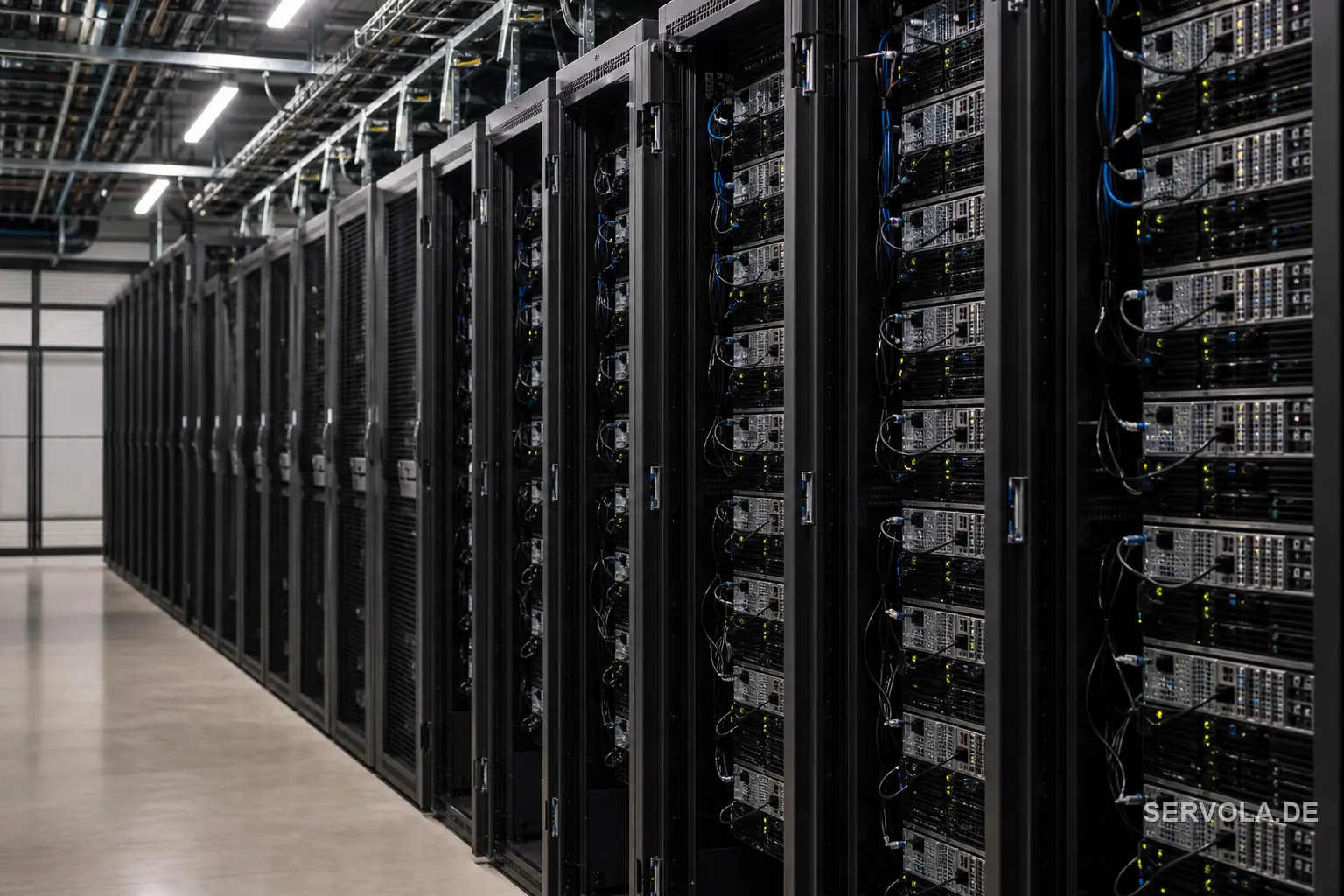
Every AI server rack now carries a problem that is invisible to whoever is buying the GPUs: getting stable power to the chip fast enough as its load swings by the microsecond. C2i Semiconductors, a Bengaluru-based startup, builds software-defined multiphase controllers and smart power stages that manage exactly that swing at chip level.
As AI accelerators draw more current in shorter bursts, a controller that reacts a few microseconds too slowly either wastes energy or destabilizes the rack. That is the specific, narrow capability Infineon announced on August 24-25, 2026 that it would acquire rather than build.
Adam White's Buy-Versus-Build Call
Adam White, president of Infineon Power Systems, chose to buy the missing capability rather than build it against the clock. "We will accelerate innovation in power delivery solutions for AI data centres," he said of the deal, which is expected to close in the third quarter of 2026 with terms undisclosed.
The calculation behind that sentence is the real story: an acquisition premium and integration risk, traded against the calendar time an internal multiphase-controller program would have cost while the AI infrastructure buildout keeps accelerating around it.
Where The Team Actually Sits
The decision also came with a geography choice. Infineon is folding an Indian engineering team into its structure rather than growing this specific capability at its German base, expanding a roughly 2,800-person engineering presence it already runs in India.
For a flagship European chipmaker, sourcing a specialized AI-infrastructure capability from an Indian team rather than a domestic one is itself a data point on where this kind of engineering talent is available at the pace the AI cycle demands.
The Lesson For Anyone Facing The Same Clock
The instruction here is specific, not motivational: when a capability gap sits on the critical path of a fast-moving market, and a working team has already built it, an acquisition premium is often cheaper than the calendar time an internal build would cost. That calculus does not hold for a capability that is commodity software or easily replicated; it held here because chip-level power delivery is genuinely hard to build quickly, and the AI capex cycle is a real deadline, not an invented one.
Read next: Automattic's 33-Hour Coup Left an $8 Million Bill | Maryland Made Walmart's Pricing Promise Redundant