The number underneath the beat
Intel just posted the quarter it has been promising for years, and the market treated it as a turning point. Revenue reached 16.1 billion dollars, up 25 percent and the fastest growth for any period in almost 15 years. Adjusted earnings came in at 42 cents a share against expectations closer to 21, and revenue landed 1.8 billion above the midpoint of the company's own guidance. On those figures alone, Intel looks healed.
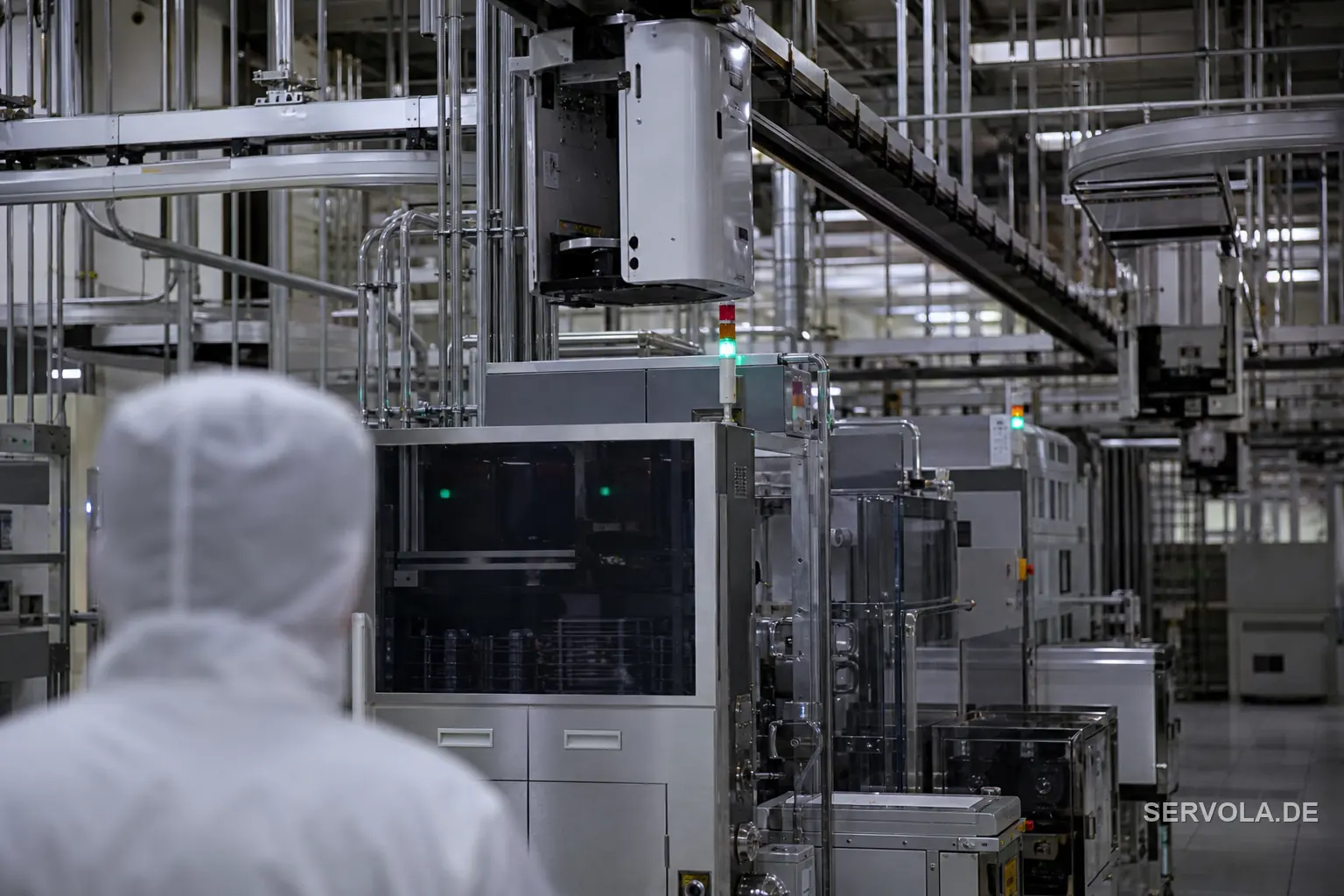
The number that should shape what an owner does next is smaller and quieter: 293 million dollars. That is Intel Foundry's external revenue, the money it earned fabricating chips for other companies rather than for itself. It is the line that would tell you a genuine second source to Taiwan is arriving, and against a 16.1 billion dollar quarter it is still a rounding error.
Why the recovery is real anyway
The beat is not an accounting trick, and it deserves credit. Data-centre and AI revenue rose 59 percent year over year to roughly 6.3 billion dollars, the clearest sign that Intel's server chips are competitive again after a bruising stretch against AMD and Nvidia. The Intel Foundry segment as a whole grew 31 percent to 5.8 billion, and the company guided third-quarter revenue to a range whose floor sits above what analysts expected.
Read carefully, though, most of that foundry number is Intel making chips for Intel. The 5.8 billion is dominated by internal demand; the 293 million is the part sold to outside customers. The recovery is a product story first. The manufacturing-for-others business that owners actually want as a hedge is growing off a very small base.
What owners actually wanted from this
For anyone whose hardware roadmap depends on leading-edge chips, the appeal of Intel was never its own product line. It was the prospect of a second company, on this side of a geopolitical fault line, able to fabricate advanced silicon at scale, so that a single incident around Taiwan does not stall your supply. On that specific test, one quarter of strong earnings changes almost nothing.
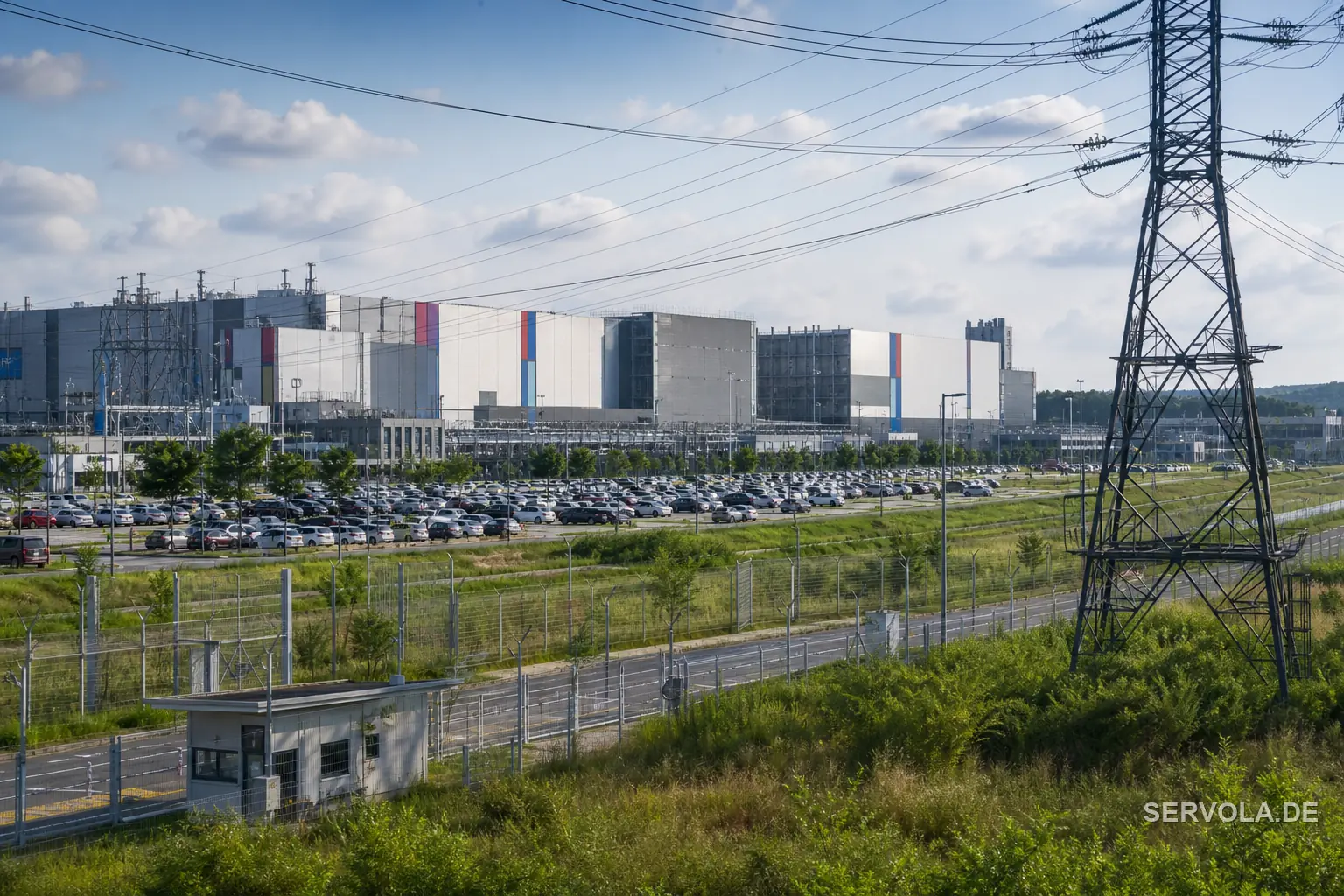
The leading indicator is not this quarter's profit. It is capital spending, now climbing past 20 billion dollars a year, and the milestones that money buys: named leading-edge customers, external revenue measured in billions, and fabs qualified for volume. Capacity poured in 2026 is what decides whether Intel can second-source you in 2028. Judge the foundry on that clock, not on the earnings headline.
What to do with the news
Keep TSMC concentration on your risk register. A strong Intel quarter is a reason for optimism, not a reason to redraw your supplier map. Until external foundry revenue is a multi-billion-dollar line with named customers, Taiwan concentration is still a live single point of failure for most hardware supply chains.
Watch capacity and customers, not EPS. The signals that matter for a buyer are capital spending converting into qualified fabs, the external revenue trend, and any leading-edge customer Intel can name. Track those quarterly and ignore the share-price reaction.
Factor in the European angle. Intel's European fabs and the EU Chips Act are part of the same second-source question. If regional supply resilience is on your agenda, the capacity being built in Ireland and Germany is the part of this story worth following, well before it shows up in a revenue line.
Read next: Wafer Prices Just Rose Across Every Advanced Node | Tim Cook Already Explained Why Your Mac Costs More