A European champion that had to list abroad
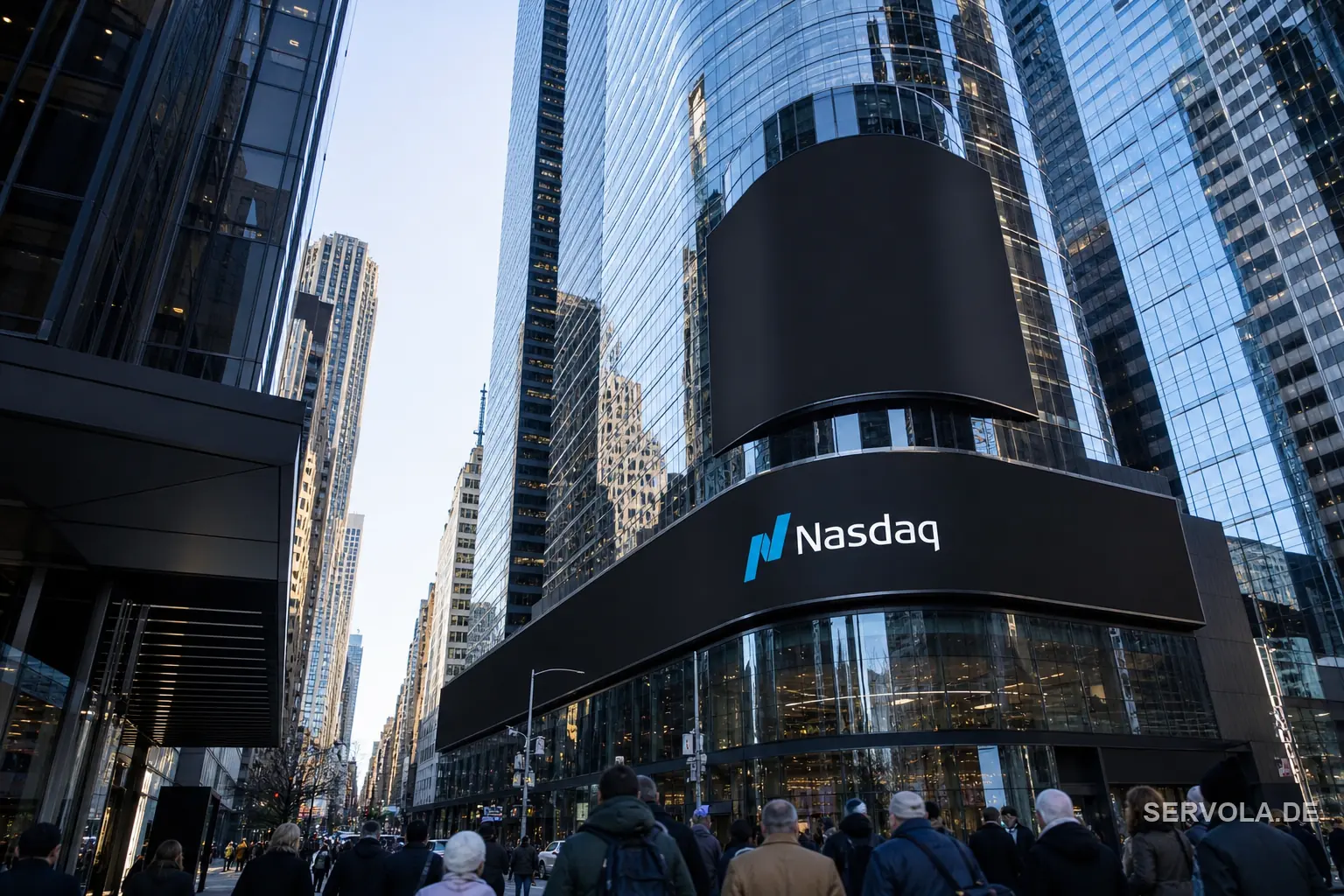
IQM is the closest thing Europe has to a quantum national champion. Founded in 2018 as a spinout from Aalto University near Helsinki, it now employs about 420 people, roughly two-thirds in Finland and around 100 in Munich, and it sells full-stack quantum computers into supercomputing centres. On 2 July 2026 it became the first European quantum company to go public in the United States, merging with a listed shell to reach Nasdaq at a valuation near 1.9 billion dollars and adding a Nasdaq Helsinki listing the next day. The raise was about 198 million euros after costs, on top of a 300 million dollar round closed in September 2025.
The detail that matters for owners is not the valuation, it is the venue. A company built on European public research, funded in part by European programmes, went to New York for its main listing and its deepest pool of patient capital. Shares traded below the offer price on day one, which is common for a SPAC, but the direction of travel is the point: the science was grown here and the capital event happened there.
The prospectus says the quiet part out loud
Buried in IQM's own filing is a sentence most vendor decks would never print: large-scale commercial traction for quantum computing may never occur. That is not IQM being pessimistic about itself, it is an honest description of the whole field. Useful, fault-tolerant quantum machines are still years away, and every serious player is selling access and computing time today while the fundamental engineering is unfinished. The chief executive frames the business plainly - selling computers into advanced supercomputing and data centres, and selling cloud computing time - rather than promising a near-term breakthrough.
The non-obvious implication is a buying rule. When a supplier pitches a quantum roadmap, the correct default is not to price in the milestone, it is to price in the wait. Treat a ten-year horizon as the central case, insist that any pilot delivers value on classical hardware in parallel, and read the risk section of a vendor's own disclosures the way IQM just wrote it - as the base rate, not the footnote.
Where Europe's sovereignty is actually thin
Europe has the physics. It has Aalto and Delft and Munich, national quantum programmes, and now a listed champion. What it did not have on offer was a home market deep enough to fund a decade of losses at the scale IQM needed, so the company crossed the Atlantic for it. That is the same pattern that has pulled other European deep-tech firms toward US listings, and it repeats because the constraint is not talent or research, it is late-stage risk capital and a public market that will hold a pre-revenue science bet for years.
For a European owner the takeaway is strategic, not sentimental. Sovereignty in critical technology is decided less by where the lab sits and more by where the balance sheet lists, because listing venue shapes ownership, governance and eventual control. If Europe wants to keep the value of the science it funds, the missing piece is capital markets willing to underwrite the long wait - not another research grant.
Read next: Europe's Quantum Hardware Now Compiles Through Nvidia | QuantWare's EUR152M Bet: Quantum Goes Industrial