What Quaise Actually Raised
Quaise Energy closed the first tranche of a Series B on 7 July 2026, taking in 134 million dollars and lifting its total raised to roughly 230 million. Prelude Ventures led the round, but the names that matter are JERA and Idemitsu, two of Japan's largest energy companies, which came in as strategic investors rather than passive backers.
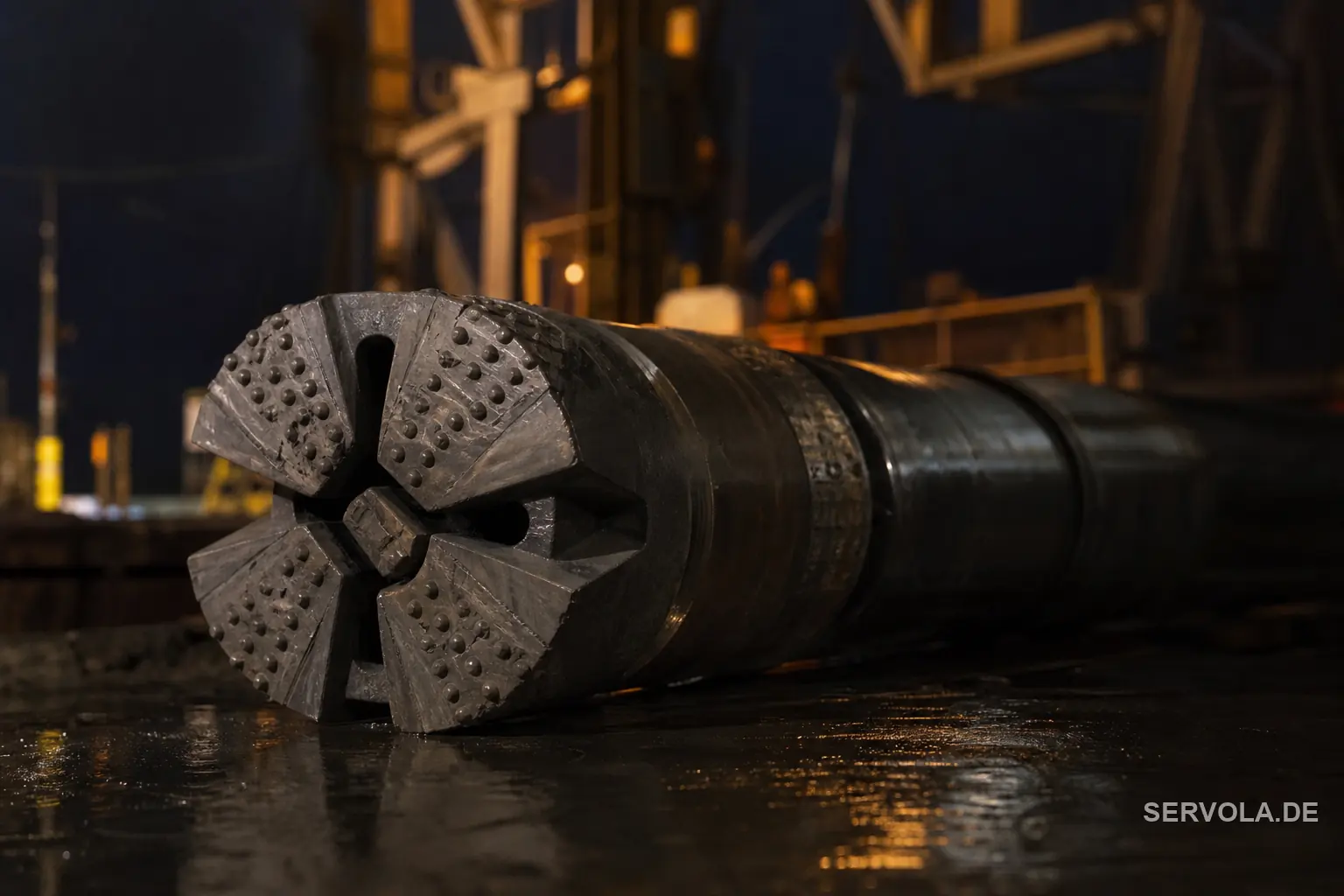
The money funds Project Obsidian, which Quaise calls the world's first commercial superhot geothermal power plant, and the continued build-out of its millimeter-wave drilling rig. At its Central Texas field site the company says it is now approaching one kilometer of depth, a step toward the 5 kilometers and beyond where the rock turns hot enough to change the economics.
Why Firm, Drillable Power Changes the Math
The power problem behind the AI build-out is not only how many gigawatts exist; it is how many run around the clock. Solar and wind are cheap but intermittent, so they need storage or a firm partner. New nuclear is firm but slow to permit and tied to a handful of sites. Superhot geothermal promises something the others do not: firm, round-the-clock clean output that you drill for, in principle close to the load rather than wherever a reactor is allowed.
The lever is temperature. At the depths Quaise is chasing, rock can exceed 400 degrees Celsius, and water pushed through it returns as supercritical steam that carries far more energy per well than conventional geothermal. Quaise argues one such well can deliver an order of magnitude more power than a shallow one, which is why Japanese energy majors are willing to fund a drilling method that is not yet proven at depth.
What an Operator Should Do Before the Decade Turns
The honest part is the timeline. A first commercial plant is a late-decade prospect at best, and superhot drilling at 5 kilometers is first-of-a-kind engineering with real failure modes. None of this relieves the power squeeze that data-center and industrial operators face between now and 2030.
So treat the two horizons separately. For the near term, secure the power you can contract today: an interconnection queue position, a firm power-purchase agreement, on-site gas or batteries for bridging. For the long term, track Project Obsidian as a signal that firm clean baseload may finally become drillable, and revisit your siting assumptions if it reaches milestones on schedule. Plan on the bridge, and let the moonshot surprise you.
Read next: Google Buys 3,590 MW And Only 890 MW Is New | 1.9 Billion Bought Grid Power. Britain Cut A List.