What actually happened, and what it cost
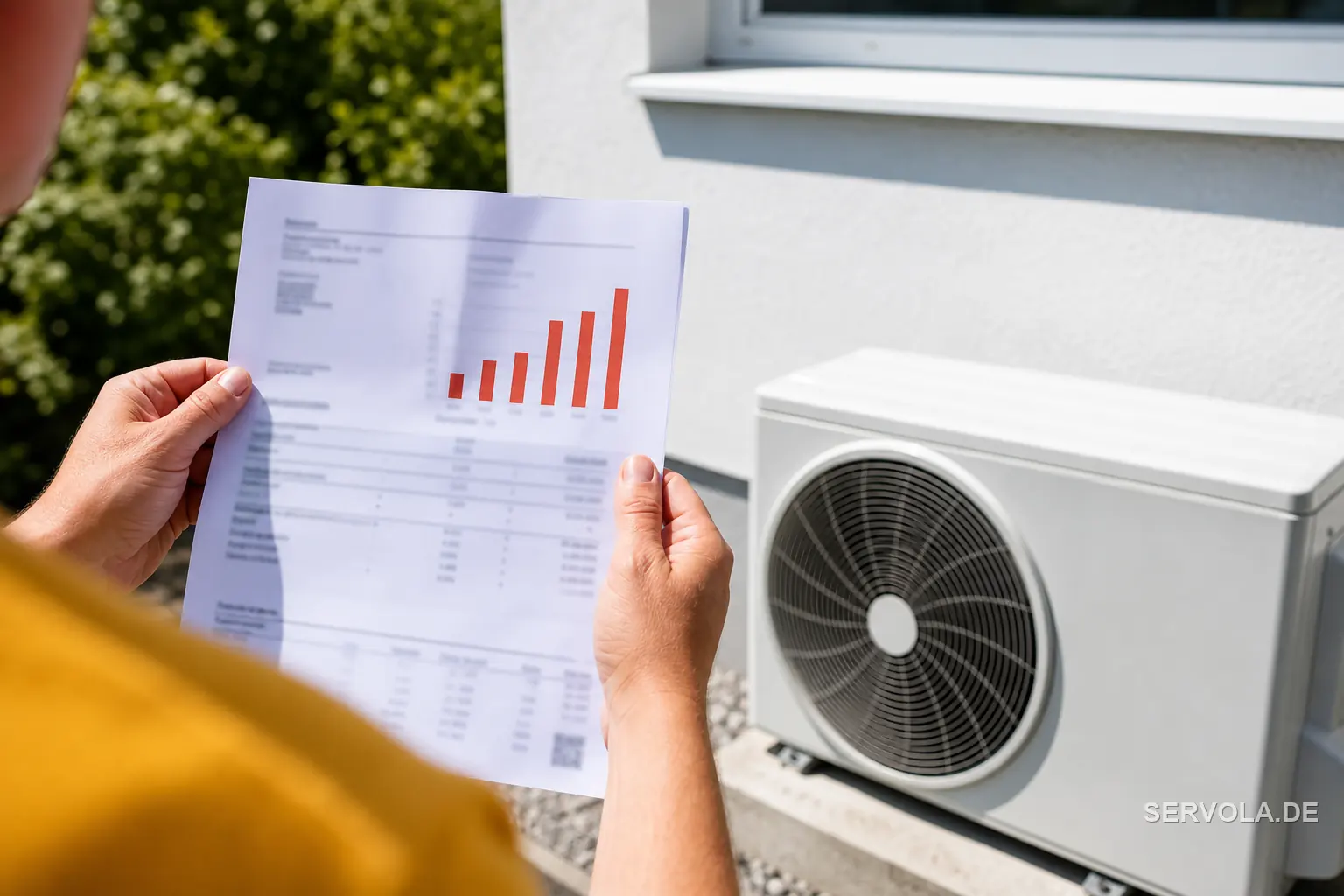
Between 21 and 27 June 2026, a record heatwave pushed European power markets into a pattern that has become the defining risk of the current grid. According to an analysis by 350.org of EU price and load data, reported by Euronews, German wholesale electricity costs rose by around 371 million euro and French costs by around 360 million euro against the prior week. That is more than 700 million euro of extra cost from one week of weather, spread across every buyer exposed to the wholesale price.
The shape of the day mattered more than the average. In Germany, the wholesale price sat near 86 EUR/MWh at midday and reached 566 EUR/MWh by 8 p.m. Montel News recorded a 15-minute spot price above 615 EUR/MWh, a national record. Kpler put Belgium at 1,038 EUR/MWh for the 20:45 block on 24 June, with Germany, the Netherlands and Denmark all clearing above 600 EUR/MWh in the same window.
Why the evening, and why now
The mechanism is structural, not freak. Heat suppresses wind across the continent at the same time it lifts cooling demand. On the worst evenings German wind generation fell to roughly 2 GW, about 16 percent of the seasonal average. As solar rolled off after sunset, residual demand met a thin thermal stack, and gas peakers set the marginal price for the whole market. Belgium carried an extra handicap this year: an eight-month nuclear outage removed 2.3 GW of baseload into October.
This is the reverse of the story that dominates energy headlines. Data centre demand is a slow, structural pull on the grid. A heatwave is a fast, sharp squeeze on the same system, and it exposes how little firm, dispatchable headroom sits behind Europe's renewable build-out. Kpler noted Belgium was roughly 3 MWh of extra demand away from hitting the 4,000 EUR/MWh European day-ahead cap, the point at which the market stops clearing normally and moves toward curtailment.
The cost base this lands on
These spikes do not arrive on a neutral bill. The IEA's Electricity 2026 analysis puts EU electricity for energy-intensive industry at roughly double US prices and more than 50 percent above China and India, with the average EU wholesale price around 95 USD/MWh in 2025. Gas still sets the marginal price on tight evenings, and the EU carbon allowance, near 75 EUR per tonne, sits on top of it. Against that baseline, a week of 500-plus-euro evenings is not noise. It is the difference between a profitable and an unprofitable production run for anyone melting metal, cracking hydrocarbons, or running electric arc furnaces.
The policy cushion is partial. Germany's industrial power relief discounts only about half of eligible consumption and runs only through 2028. It lowers the average bill. It does almost nothing about the intraday tail, which is precisely where the June damage occurred.
What an operator should take from this
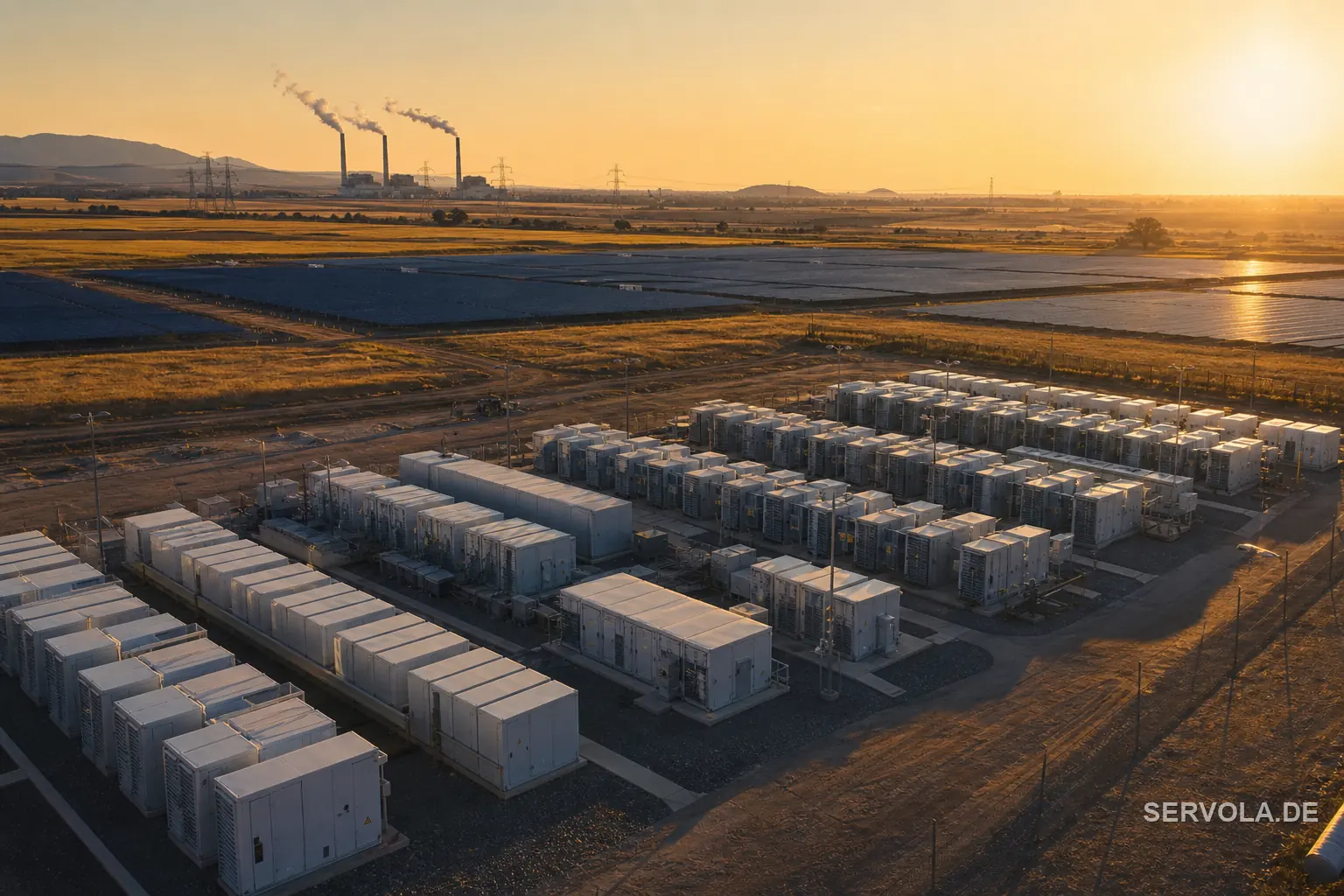
The Servola read is that weather-driven price volatility now belongs on the operating agenda alongside supply-chain and FX risk, and it should be managed with the same discipline. If your load is flat and fully exposed to the spot price, you are effectively short volatility on every hot, still evening from now through September. That position is quantifiable and hedgeable.
Three levers move it. First, contract structure: a power purchase agreement or a fixed-shape hedge converts a swinging evening exposure into a known number, and the June spread between contracted and spot buyers was large enough to pay for the certainty. Second, demand flexibility: even modest ability to shift or shed load away from the 7-to-9 p.m. window turns the spike from a cost into an opportunity, because the same volatility that punishes rigid load rewards flexible load. Third, siting and self-generation: on-site storage or generation sized to cover the evening peak is now a margin decision, not a sustainability gesture. The grid has told operators plainly where its weak hours are. The advantage goes to the ones who plan their production around that answer rather than paying the bill after the fact.
Read next: European Gas Just Hit Its Highest Price Since 2023 | Your Spot Power Contract Just Met a 119 Percent Price Spike