A Promise With Three Parts
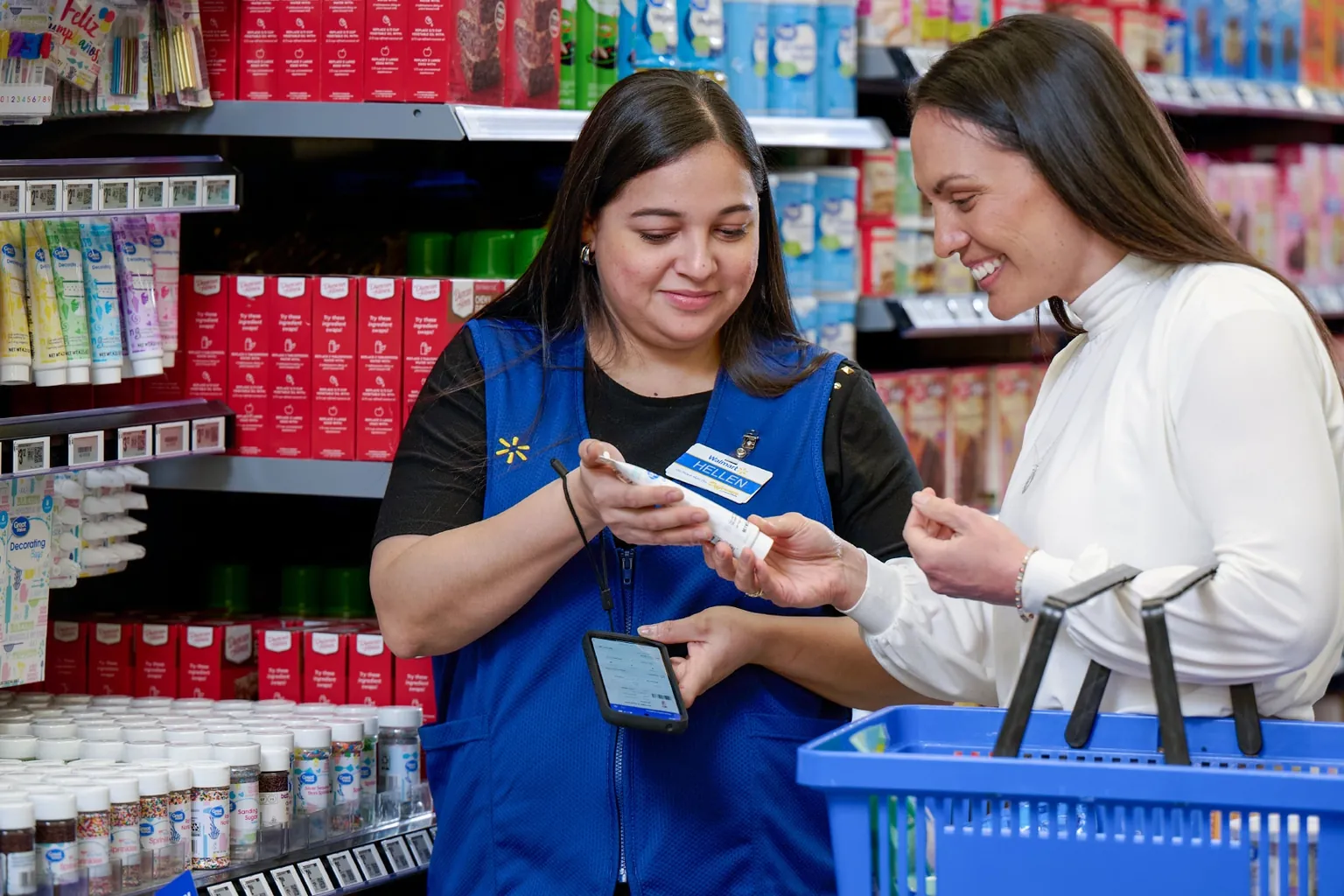
Walmart CEO John Furner published an open letter on September 25 promising the company will never charge two shoppers a different price for the same product based on who they are. "We price the product, not the person," the letter states. Furner names three commitments directly: no pricing based on a customer's income, purchase history or perceived urgency; the AI shopping assistant Sparky will not use personal data to raise a price, only to help a customer shop; and digital shelf labels exist to keep the shelf price and the checkout price identical, with no cameras, microphones or facial recognition attached to them.
The letter frames the pledge as an extension of Walmart's everyday-low-price positioning, not a new policy. But it arrives at a specific moment: state legislators, federal regulators and a retail union have all been asking the same question about the exact technology Walmart is rolling out nationwide.
The State That Already Wrote Half of It Into Law
Part of what Furner promised voluntarily, Maryland is about to require by statute. A state law banning "a personalized price for a specific consumer based on their personal data" takes effect in October 2026, and it explicitly leaves electronic shelf labels legal, since the label itself is not the problem, using it to single out one shopper is. Connecticut has passed a comparable ban, and a similar bill in New York has cleared the legislature and is waiting on the governor's signature.
| Jurisdiction | Status | Takes effect |
|---|---|---|
| Maryland | Bans pricing based on a shopper's personal data; shelf labels stay legal | October 2026 |
| Connecticut | Passed a similar personalized-pricing ban | 2026 |
| New York | Bill passed the legislature, awaiting the governor's signature | Pending |
| European Union | Digital Fairness Act proposal is expected to cover personalized pricing | Expected Q4 2026 |
None of these laws touch dynamic pricing that applies to every customer equally, such as a surge price at checkout during a demand spike. The target is narrower and more specific: pricing keyed to one person's data.
Why It Matters
Why it matters: Walmart is not the first large retailer to run into this question. In 2024, Kroger partnered with Microsoft on camera-equipped digital shelf hardware described internally as able to offer deals based on a shopper's estimated age and gender, and two US senators wrote to the company asking whether that amounted to surveillance pricing. Kroger denied linking the cameras to facial recognition or surge pricing, but the episode became the reference case every retailer rolling out similar hardware is now measured against, including the grocery workers' union, which has warned publicly that AI-linked shelf labels open the door to exactly this kind of pricing.
A public pledge, made before a journalist or a senator asks the question, costs a company a paragraph in a corporate letter. Made after, it costs a company a congressional hearing and a news cycle it does not control.
Yes, But the Labels Are Not Going Anywhere
Yes, but: nothing in the pledge slows Walmart's actual hardware rollout. Digital shelf labels solve a real operational problem for a retailer this size: a price change that once took an employee minutes per shelf tag now updates instantly across a store, and staff freed from that task get reassigned to picking online orders and answering customers on the floor. Furner's letter defends the technology on exactly those grounds. The commitment is not to stop using the tool. It is to keep using it for one purpose, price accuracy, and rule out the other, price discrimination.
The Bottom Line
The bottom line: Walmart's promise is real, but it is also timed. A retailer that publishes a restraint before a state forces it gets to write the headline itself. One that waits gets Kroger's headline written for it. For a European or UK retailer watching from the outside, the more useful fact is not Walmart's letter, it is the calendar: Brussels' own answer to this question, the Digital Fairness Act, is not expected until roughly a year after Maryland's law is already in force. The company that decides this on its own terms, ahead of the deadline, gets to define what the promise means. The one that waits for the regulator to define it does not.
Read next: DeepSeek Raised Prices 4.5x and Its Customers Stayed | EU Kids Act Flips the Burden of Proof