A memo, not a keynote
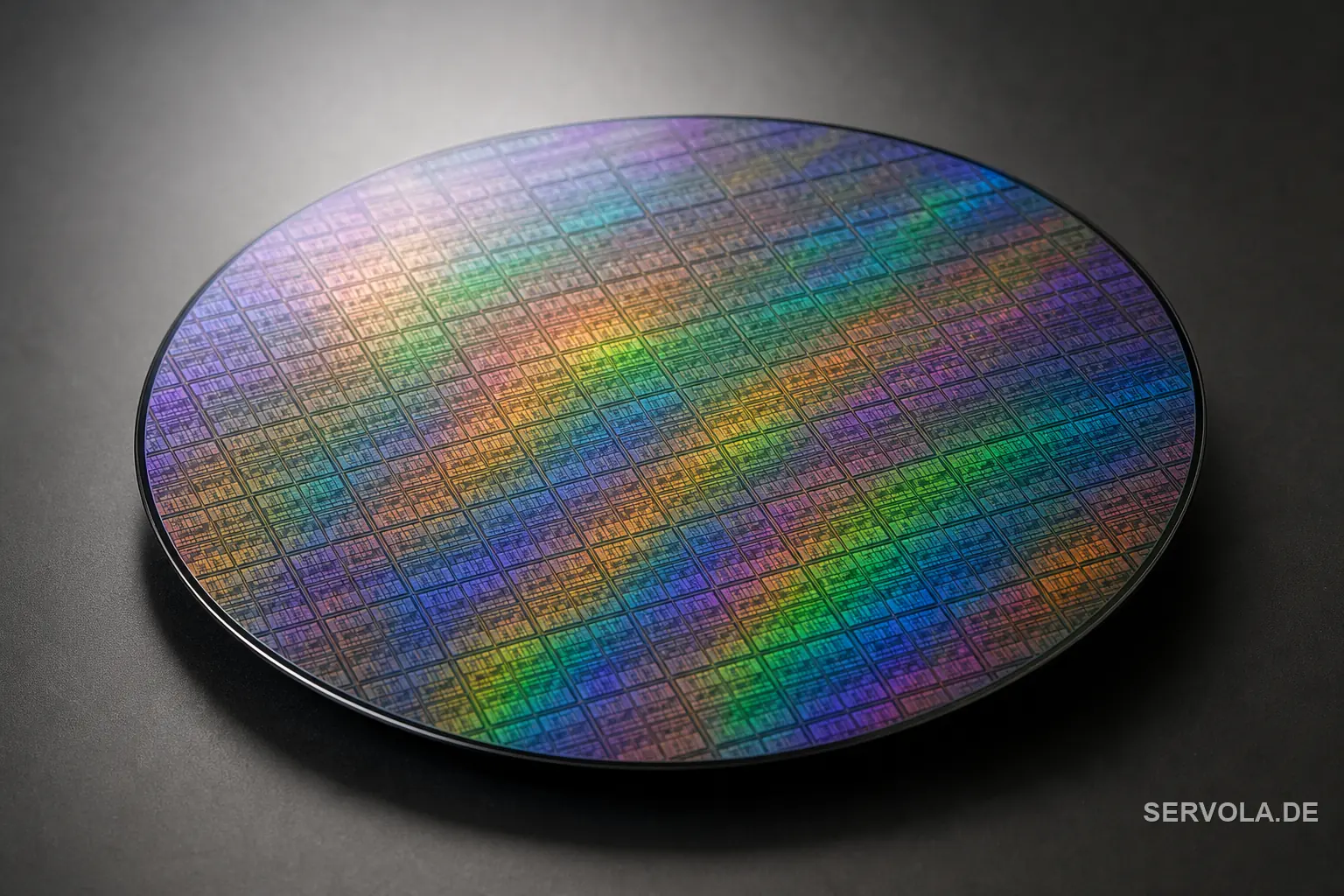
The news did not arrive as a stage announcement but as an internal memo, reported this month, telling Meta staff that a chip the company designed itself will move into production in September. Its code name is Iris, it cleared its bug-testing phase in about six weeks without major problems, and it is the clearest sign yet that Mark Zuckerberg wants Meta to be a chipmaker as well as a chip buyer.
For a company spending on the scale of a small nation's budget on AI infrastructure, making its own silicon is less a science project than a cost decision. The memo frames Iris as a way to keep growing compute without every extra gigawatt going straight to Nvidia's margins. That framing, not the chip itself, is the story for anyone outside Meta.
What Iris actually is
Iris is the latest generation of Meta's MTIA line, the Meta Training and Inference Accelerator, designed with Broadcom as its silicon partner and manufactured by TSMC in Taiwan. It is an accelerator for the AI workloads behind Facebook and Instagram, aimed at inference and training at scale rather than at the open market; Meta will run it in its own data centres, not sell it.
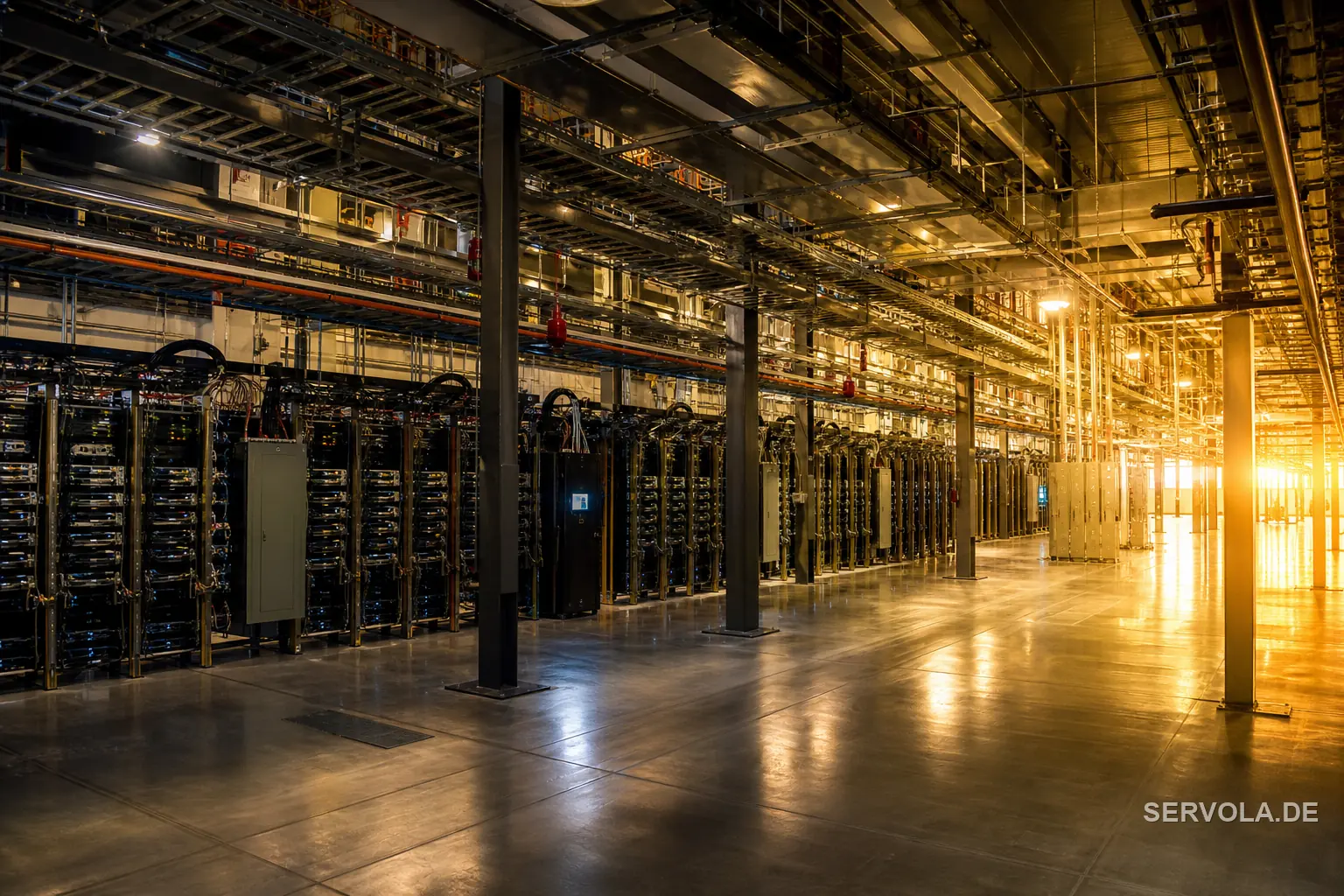
The context is capacity. Meta plans to deploy around 7 gigawatts of computing power in 2026 and double that to roughly 14 by the end of 2027, with AI infrastructure spending that could reach the region of 145 billion dollars this year. Iris is one input into that build, sitting alongside the Nvidia and AMD chips Meta continues to buy in enormous quantities.
Why build in-house now
The pressure has a name. Morgan Stanley analysts have started calling the run-up in AI hardware costs chipflation, and the biggest buyers are the ones with the most to gain from routing around it. A chip Meta owns end to end removes a supplier margin from the most expensive line in its budget, and at 14 gigawatts even a few percent per accelerator is real money.
Iris does not stand alone. Meta has locked in long-term supply deals for the parts it cannot make, memory from Samsung, flash storage from Sandisk, fibre-optic equipment from Sumitomo, so its own accelerator is one piece of a wider effort to control cost and availability across the whole stack. The goal is not independence from any one vendor; it is leverage over all of them.
What it does not mean
It does not mean Meta is leaving Nvidia. The company is explicit that Iris supplements its GPUs rather than replacing them, and Meta remains one of Nvidia's largest customers. A custom accelerator narrows Meta's exposure to chip prices at the margin; it does not end it, and reading this as a break-up misreads a hedge as a divorce.
The deeper point is who can play this game. Designing, taping out and fielding a production accelerator costs billions and takes years, which only a few hyperscalers can absorb. As chipflation pushes hardware costs up, the giants blunt it with their own silicon while everyone renting GPUs pays the full market rate. The gap between the two is widening, and Meta just added to it.
What to do with it
If you buy or rent AI compute, do not expect Meta's savings to reach your invoice. Plan capacity around the price of rented GPUs, lock the terms you can on multi-year commitments, and treat any hyperscaler's in-house-chip savings as their advantage, not a coming discount for you. The honest read is that compute is getting cheaper for the few and staying expensive for the many.
The forwardable line for a board is that Meta is making its own AI chip to cap its compute costs, which most companies cannot copy. Budget as a GPU renter, not as a chipmaker, and design your AI plans around capacity you can actually secure at a price you can predict. Iris is Meta's cost lever, not yours.
Read next: Waymo Built Its Own Chip to Stop Paying Nvidia | OpenAI's Efficiency Claim Has No Independent Check Yet