A Windows Built to Skip the Cloud
Microsoft used a Windows Developer Blog post this week to announce Project Zenith, a preconfigured Windows 11 setup aimed squarely at one job: running large AI models on your own machine instead of renting them by the token in the cloud. Devices that qualify can run models with more than 30 billion parameters locally and unmetered, with Windows Terminal, Visual Studio Code, GitHub Copilot, and a handful of developer tools pinned and ready out of the box.
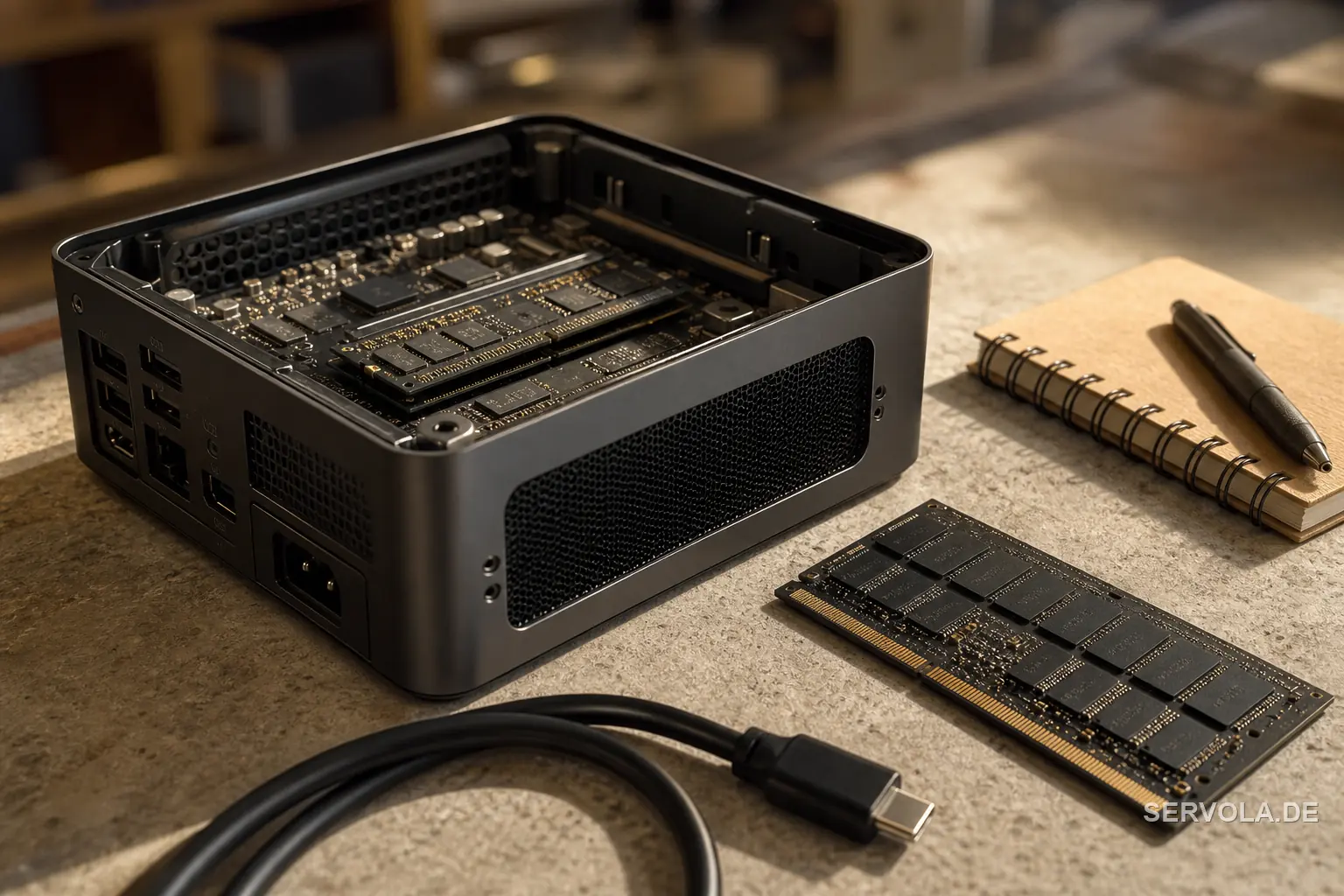
The first hardware to ship with it is AMD's Ryzen AI Halo, a mini desktop built around up to 128 gigabytes of unified memory. Microsoft says more devices from OEM and silicon partners will follow "in the coming months," building on commitments it first made at its Build developer conference in June 2026.
The Catch Is in the Spec Sheet
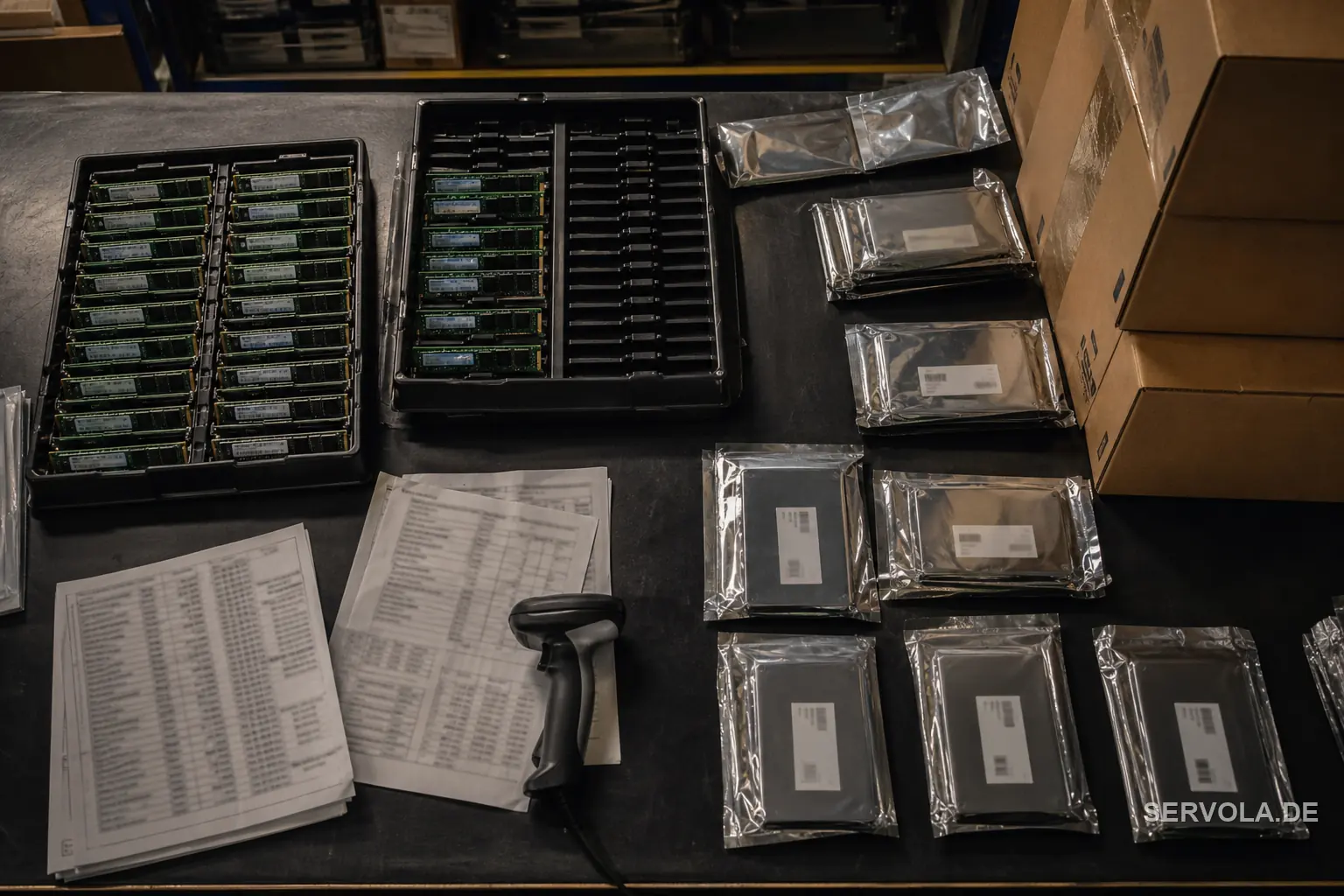
Project Zenith is not a download - it is a hardware bar. To qualify as a "developer-class device," a machine needs at least 64 gigabytes of unified memory and at least 250 gigabytes per second of memory bandwidth, specs that sit well above a typical consumer laptop or desktop. Windows Platform CVP Logan Ayer described the goal as "beginning from a better baseline," not prescribing one workflow.
That baseline excludes almost everyone running today's ordinary hardware. A developer with a standard 16 or 32 gigabyte machine gets none of Zenith's local-inference benefit until they buy into the higher tier Microsoft has just defined - exactly the tension Engadget's own coverage flagged: cutting Windows clutter is popular, but doing it through a 64 gigabyte memory floor reads as exclusionary to indie developers who do not have that kind of budget.
A Memory Market Working Against the Announcement
The timing compounds the problem. As Engadget's own coverage of the announcement noted, the same AI industry partnerships driving Microsoft's local-inference push have also been named among the pressures pushing memory prices higher through 2026 - unified-memory and high-bandwidth chips are in demand across the entire AI supply chain, not just for gaming PCs or developer boxes.
The result is a tool built to help developers escape metered cloud-AI billing that arrives priced into a memory market the AI industry itself has made more expensive - a cost that stays invisible in Microsoft's announcement because it never appears on Microsoft's own invoice.
| Spec | Project Zenith Minimum | AMD Ryzen AI Halo (launch device) |
|---|---|---|
| Unified memory | 64 GB or more | up to 128 GB |
| Memory bandwidth | 250 GB/s or more | meets minimum, exact figure not published |
| Local model size supported | 30B+ parameters, unmetered | real-world tests around 70B, theoretical ceiling near 200B |
What This Means for Developers
Check your own machine against the two numbers before assuming Zenith applies to you: 64 gigabytes of unified memory and 250 gigabytes per second of bandwidth. Most laptops and even many workstations sold today do not clear that bar, so for most developers this is a future upgrade decision, not something to switch on this week.
If you are weighing the purchase, run the math both ways: local inference carries no per-token or per-hour bill once you own the hardware, but the hardware itself now costs more than it would have a year ago, precisely because the AI industry's own appetite for memory has pushed the price up. Wait for OEM partners beyond Ryzen AI Halo before committing a budget, since Microsoft has not named a second qualifying device yet.
Read next: The Bug That Broke The Thing Patching Depends On | Microsoft Plans to Run Copilot on Its Own Chips